
Should You Go to Urgent Care or the Emergency Room?
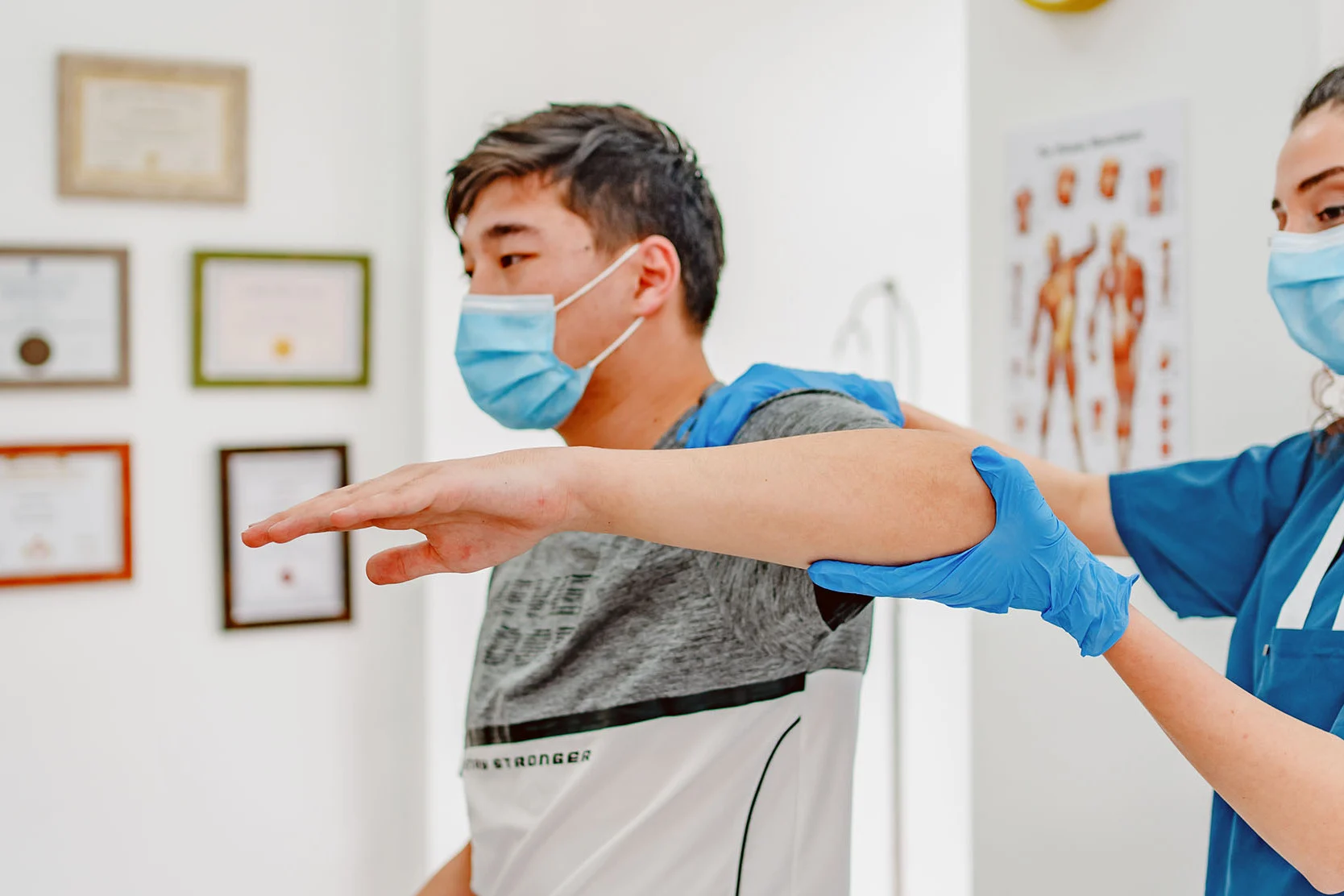
You're chopping carrots and the knife slips and slices your finger badly. Or you wake in the middle of the night with the worst stomachache you've ever had. How do you know whether urgent care can handle your problem or it warrants a trip to the emergency room?
To help you make this decision in a variety of situations, here is information on UCSF Health's urgent care clinics and emergency departments, including the types of issues they treat in adults. For help in selecting the right care for infants and children, please see our article on pediatric urgent and emergency care.
Note: If you think you're experiencing a life-threatening or severe condition, call 911 or go directly to the nearest emergency department.
When to go to urgent care
If you have a non-life threatening illness or injury that needs prompt attention, urgent care is the right choice. Examples include, but are not limited to:
- Bites
- Coughs
- Cuts
- Dehydration
- Diarrhea
- Ear pain
- Fever
- Infections
- Mild asthma
- Minor burns
- Nose bleeds
- Rashes
- Painful urination
- Vomiting
- Sore throat
- Simple fractures (broken bone that did not puncture skin)
- Sprains
- Strains
Urgent care locations
All of these provide same-day appointments and some also take walk-ins.
Urgent Care Mission Bay (San Francisco; adults only)
UCSF Urgent Care Parnassus (San Francisco; adults only)
UCSF Pediatric Urgent Care (San Francisco, Oakland, Larkspur)
UCSF Health-GoHealth Urgent Care (San Francisco, Oakland, Mill Valley, Daly City, San Bruno, and Redwood City)
When to go to the emergency room
Emergency departments are set up to treat life-threatening issues that need immediate attention. Our emergency department has access to advanced testing and imaging resources and an integrated team of providers across specialties including cardiology, neurology, orthopedics and hundreds of other specialties. It is open 24 hours a day, every day.
Call 911 or go directly to the nearest emergency department if you think you're experiencing a life-threatening condition. Examples include, but are not limited to:
- Any sudden or severe pain
- Sudden changes in vision
- Chest or upper abdominal pain or pressure lasting two minutes or more
- Confusion or changes in mental status, unusual behavior, difficulty walking
- Coughing or vomiting blood
- Difficulty speaking
- Fainting, sudden dizziness, weakness
- Head injury
- Heart attack symptoms
- Loss of consciousness
- Major trauma
- Open fractures (broken bones that have punctured skin)
- Severe or persistent vomiting or diarrhea
- Severe or unusual abdominal pain
- Severe or uncontrolled bleeding
- Stroke symptoms
- Suicidal or homicidal feelings
Emergency care locations
Adults only
UCSF Emergency Department Parnassus (San Francisco)
Adults and children
UCSF Emergency Department Stanyan (San Francisco)
UCSF Emergency Department Hyde (San Francisco)
Children and pregnant women
UCSF Benioff Children's Hospitals Emergency Department (San Francisco location)
Children only
UCSF Benioff Children's Hospitals Emergency Department (Oakland location)
UCSF Health medical specialists have reviewed this information. It is for educational purposes only and is not intended to replace the advice of your doctor or other health care provider. We encourage you to discuss any questions or concerns you may have with your provider.