
Meet the UCSF Transplant Surgeon Who's Donated His Own Organs – Twice
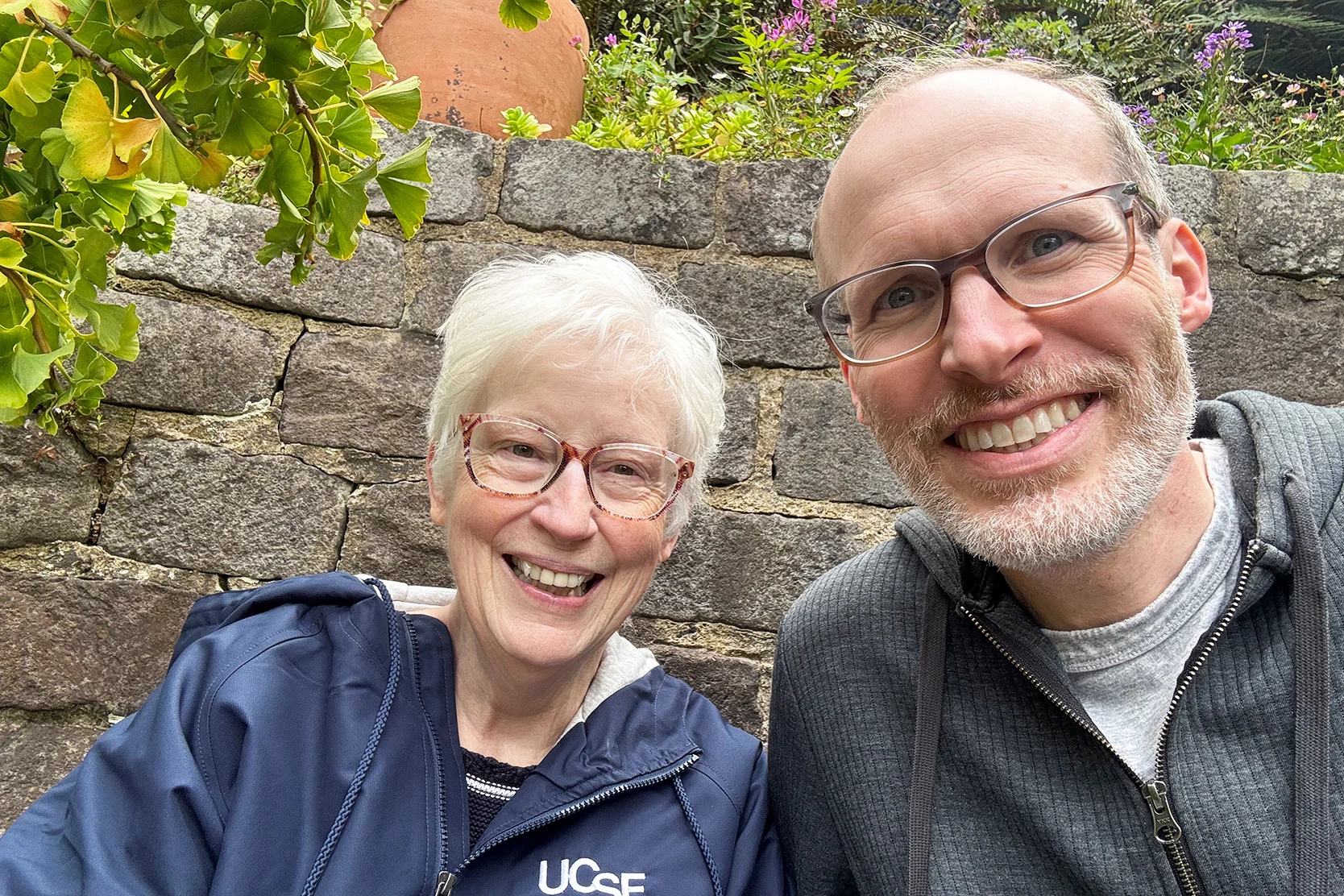
Eighteen years ago, Dr. Charles "Chuck" Rickert donated his kidney to a stranger. Today, the UCSF transplant surgeon is recovering from donating a segment of his liver – also to someone whose name he may never know.
We talked with him about what prompted this remarkable double act of donation, why he opposes payment for organ donors and his perspective on the risks of becoming a living donor.
Research on people who donate a kidney to a stranger found the part of the brain that processes emotions and recognizes distress in others is larger, leading to greater empathy. Does that describe you?
I'm hesitant to view helping a stranger as inconsistent with human behavior, which this research suggests. Donating an organ is an extension of ordinary human tendencies toward empathy, cooperation and helping others. What distinguishes living donors, who donate an organ to someone they don't know, may be less their capacity for generosity than their willingness to depart from social convention and do something a bit less common.
Your sister is also an organ donor. Was there something about your upbringing that led to you both making the same decision?
My sister, Julia, and I were raised in Peoria, Illinois. Our father was an administrative law judge, and our mother had a social work background focusing on foster care and child welfare. Our parents taught us the value, dignity and worth of all people, regardless of whether they were similar to us.
In our youth, we participated in many volunteer activities, including the Catholic Worker movement, which emphasizes communal solidarity with the poor. There was a goal of connecting with others, recognizing what makes us similar and sharing what we have to make all lives better.
You donated a kidney in your 20s. What made you do it?
I was motivated by an NPR program highlighting the low risks and strong benefits of living organ donation. There was a caller to the program waiting for an organ from a deceased donor. He said that for him to survive, someone had to die. He found himself hoping, somewhat reluctantly, for an event that involved someone's death. I was struck by the moral discomfort of that position, and it occurred to me that instead of waiting for someone to die, a living donation, which represented a relatively small risk to me, could produce enormous benefit for another person.
I decided to do it again, donating a liver recently, because I've seen many times in my career how impactful organ transplantation can be.
Donating an organ is an extension of ordinary human tendencies toward empathy, cooperation and helping others.
You've researched inequities in organ access based on factors like race, age, geography and education. Does living organ donation bridge those disparities?
Sadly, for people who have been disadvantaged by our health care system, living organ donation can be challenging. The majority of living donations are directed to a family member or friend, who is likely to share a similar socioeconomic background. If the transplant patient is socially disadvantaged, the potential living donor is likely to be too. We have to work extra hard to support living donation for individuals who have social disadvantages.
Do you support paying donors to increase survival rates?
I don't support payment for donation. First, I doubt that it would produce the upsurge that proponents assume. Additionally, the risk of eroding trust and support by buying and selling organs seems to be very real.
It would also disproportionately recruit people under financial pressure, who may have more difficulty accessing primary care and routine checkups, and may not be in a healthy situation to make such decisions.
I'd like to see more efforts to reimburse all donor expenses, provide support at the time of the operation and provide lifetime health coverage.
Liver donation involves a more complex recovery than kidney donation. Were you afraid?
At some level, there's always concern with undergoing an operation. The mortality rate is very low, about one in several thousand, but rare adverse outcomes can't be dismissed simply because they're rare. Thankfully, I had great confidence in my care team.
Also, the UCSF Center for Living Organ Donation is considered one of the best facilities in the country due to its expertise in minimally invasive surgery and its exceptional patient safety record. What distinguished UCSF for me was the compassion and attentiveness of the nurses, physicians, pharmacists and other team members.
What do you tell people who are considering donation?
I'd encourage them to learn what the risks are and talk to people who have done it. Then make a decision if it makes sense for their life and their values. My goal is not to persuade people to become living donors; I'd like to make the procedure familiar enough that they consider it. For every person in America on the waitlist for a kidney or liver transplant, there are 500 people who would be eligible as their donor. If just a fraction of potential donors would consider it, there could be an incredible impact on many lives.
