
Cancer Immunotherapy Toxicity Evaluation
On this page
Why choose UCSF Health for immunotherapy complication management?
Immunotherapy is a leading-edge treatment that harnesses your own immune system to help fight cancer. But sometimes, these drugs overstimulate your immune system and cause side effects that can range from mild to severe.
The UCSF Health Cancer Immunotherapy Toxicity Evaluation (CITE) Program provides consultations and treatment for people with difficult-to-manage side effects from immunotherapy. An experienced team of oncologists and other specialists works collaboratively to help you manage your symptoms and feel your best.
Why choose UCSF Health for immunotherapy complication management?
Immunotherapy is a leading-edge treatment that harnesses your own immune system to help fight cancer. But sometimes, these drugs overstimulate your immune system and cause side effects that can range from mild to severe.
The UCSF Health Cancer Immunotherapy Toxicity Evaluation (CITE) Program provides consultations and treatment for people with difficult-to-manage side effects from immunotherapy. An experienced team of oncologists and other specialists works collaboratively to help you manage your symptoms and feel your best.
First of its kind
Our CITE program is the first in the Bay Area and among the first in the nation dedicated to studying and addressing immunotherapy complications.Specialized expertise
Experts in medical oncology and immunology meet regularly to review each patient's case and make recommendations on maintaining or restarting immunotherapy.Second opinions
We offer second opinions for patients with challenging symptoms and for providers concerned about immunotherapy toxicities in their patients.Research and clinical trials
Our researchers are advancing immunotherapy care by studying promising new treatments and bringing them to our patients.
Understanding immunotherapy side effects
Immunotherapies, such as checkpoint inhibitors, work by disabling the "off switches" on immune cells, allowing them to attack cancer cells. In some cases, however, immune cells attack healthy cells and cause side effects called immune-related adverse events (irAEs). Up to 79% of people experience irAEs depending on their cancer type and treatment.
If you're experiencing these symptoms, it's important to get a prompt assessment, diagnosis and treatment to prevent serious or life-threatening complications. Steroids and immunosuppressants (drugs that calm the immune system) are common treatments for irAEs.
If severe complications develop and we recommend temporarily stopping cancer treatment, we help you safely restart immunotherapy when the time is right. Our experts use the newest, evidence-based approaches to prevent or minimize interruptions in immunotherapy treatment.
At our CITE program, a dedicated practice coordinator streamlines your care and arranges for all necessary tests, procedures and subspecialty consultations. Our team collaborates with experts in cardiology, nephrology, hepatology, hematology, pulmonology, neurology and many other clinical areas at UCSF Health to ensure your needs are met.
Symptoms of immunotherapy toxicity
Symptoms of irAEs can develop at any time during immunotherapy treatment or even after treatment.
Toxicity symptoms may affect your:
Eyes. Dry eyes, changes to your vision, or eye pain and swelling
Heart. Shortness of breath, chest pain, fainting or irregular heartbeat
Kidneys. Frequent urination, swollen face and limbs, fatigue or appetite changes
Liver. Jaundice (yellow skin), dark urine, abdominal pain or nausea
Lungs. Chest pain, cough, wheezing or breathlessness
Nerves. Numbness or tingling in your limbs, seizures or cognitive changes (thinking or memory changes)
Skin. Itchy skin, rash, eczema or hair loss
Complications can also affect systems in your body, such as your:
Blood. Fatigue, weakness, shortness of breath or pale skin
Bones and muscles. Joint pain and stiffness or muscle weakness
Digestive system. Nausea, diarrhea, abdominal pain or difficulty swallowing
Endocrine system. Weight gain or loss, headaches, insomnia or intolerance to cold or heat
Providers

David Oh, MD, PhD
Urology (Urologic Oncology)
Katy K. Tsai, MD
Medical Oncology (Melanoma and Skin Cancer)
Emily Pepe, NP
Medical Oncology
Excellence in cancer care
Best in Northern California and No. 7 in the nation for cancer care

Among the top hospitals in the nation
Related services
Related conditions & treatments
Treatments
- Immunotherapy
- Clinical Trials
Clinical trials
VO and Nivolumab vs Physician's Choice in Advanced Melanoma That Progressed on Anti-PD-1 & Anti-CTLA-4 Drugs [IGNYTE-3]Opens in a new window
VO and Nivolumab vs Physician's Choice in Advanced Melanoma That Progressed on Anti-PD-1.Study of RP1 Monotherapy and RP1 in Combination With NivolumabOpens in a new window
Percentage of subjects with adverse events (AEs).A Phase 1B/2 Study of RP1 in Solid Organ Transplant Patients With Advanced Cutaneous MalignanciesOpens in a new window
Assess the safety and tolerability of single-agent RP1 in solid organ transplant patients with cutaneous malignancies by incidence of subjects with treatment-emergent adverse events.Binimetinib and Imatinib for Unresectable Stage III-IV KIT-Mutant MelanomaOpens in a new window
Defined as complete response (CR) or partial response (PR) by Response Evaluation Criteria in Solid Tumors (RECIST v1.1). The ORR at stages 1 and 2 will be estimated using the method of Whitehead, and the p-values for testing the...Safety and Tolerability Study of GIM-122 in Subjects With Advanced Solid MalignanciesOpens in a new window
To identify dose limiting toxicities [DLT] with GIM-122.Safety and Tolerability Study of GIM-531 in Advanced Solid TumorsOpens in a new window
To assess incidence and severity of AE / SAEs and tolerability assessed by CTCAE grading.
Cancer immunotherapy
Support services
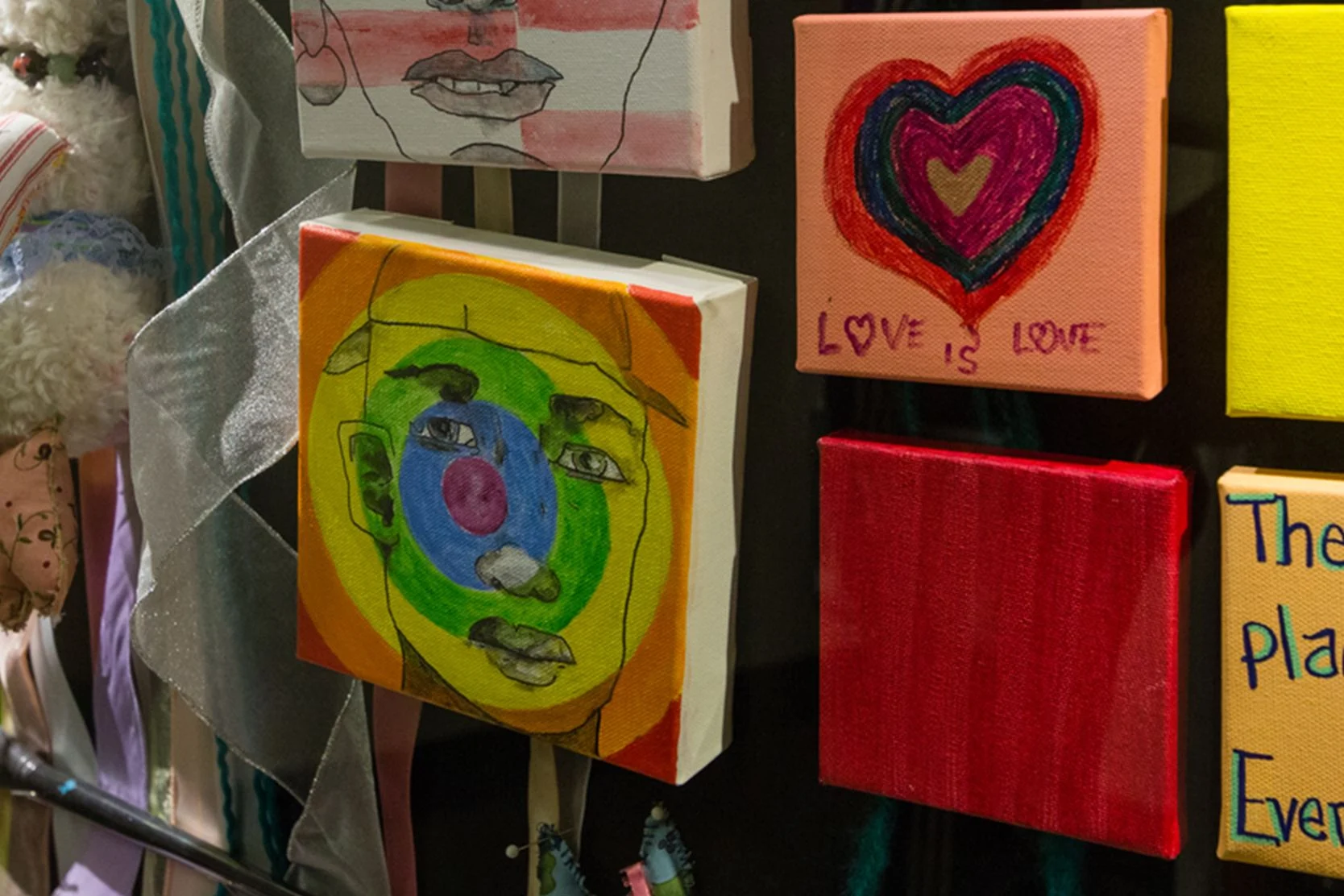
Art for Recovery
Creativity can help people with serious illnesses cope, heal and express what they're going through. Find out about our program and how to join.
Cancer Nutrition Counseling
UCSF Health offers free nutrition counseling to our patients with cancer, as well as nutrition seminars that are open to anyone. Learn more.
Cancer Exercise Counseling
Our one-on-one exercise training sessions, customized for your needs and abilities, can complement other cancer treatments and speed your recovery.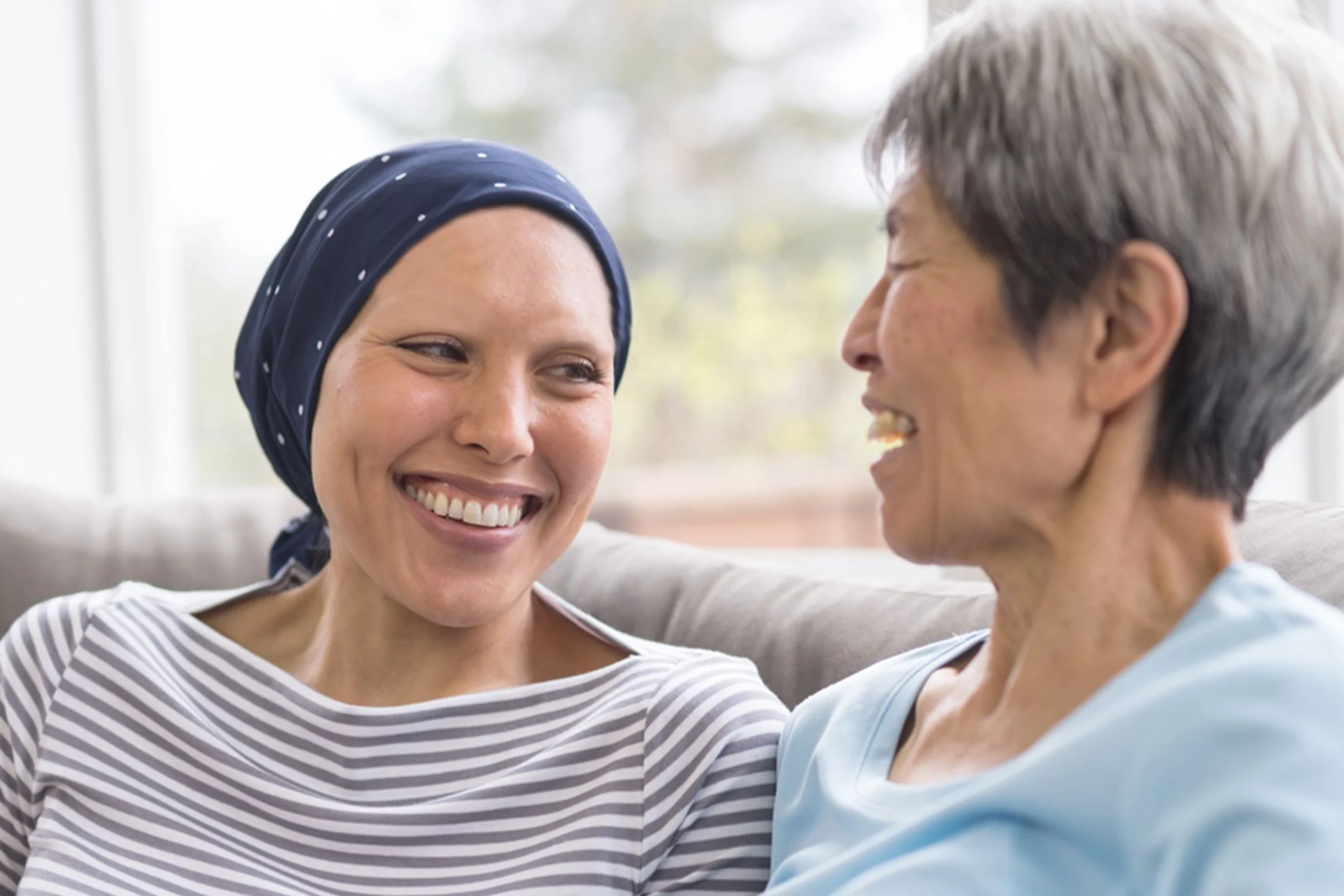
Cancer Support Groups
These groups offered by the Ida and Joseph Friend Patient and Family Cancer Resource Center are free and available to all patients, whether or not you get your health care at UCSF.
Core and More Class for Cancer Patients
A strong body helps you fight cancer and enjoy life. Join this class to stabilize your core, strengthen your muscles and improve overall fitness. For cancer patients and caregivers!
Friend to Friend Specialty Shops
A one-stop boutique for patients with cancer. Get professional help with wigs, prostheses, sun-protective clothing, makeup, skin care and more.
Meditation and Guided Imagery for Cancer Patients
Drop in for a free class designed to help you heal, relax and find balance during your treatment. UCSF and non-UCSF patients are welcome.
Oncology Social Work
Social workers offer support, problem-solving, help accessing UCSF cancer-related resources and more. Find out how to contact the social worker for your clinic.
Patient & Family Cancer Resource Center
The center offers wellness programming, community, support groups, classes, workshops and more at no cost to people facing cancer and their loved ones.
Peer Support Programs for Cancer
PeerTalk connects interested cancer patients with cancer survivors who can share their own experience to provide emotional and practical support.