
Immunotherapy
On this page
What is immunotherapy?
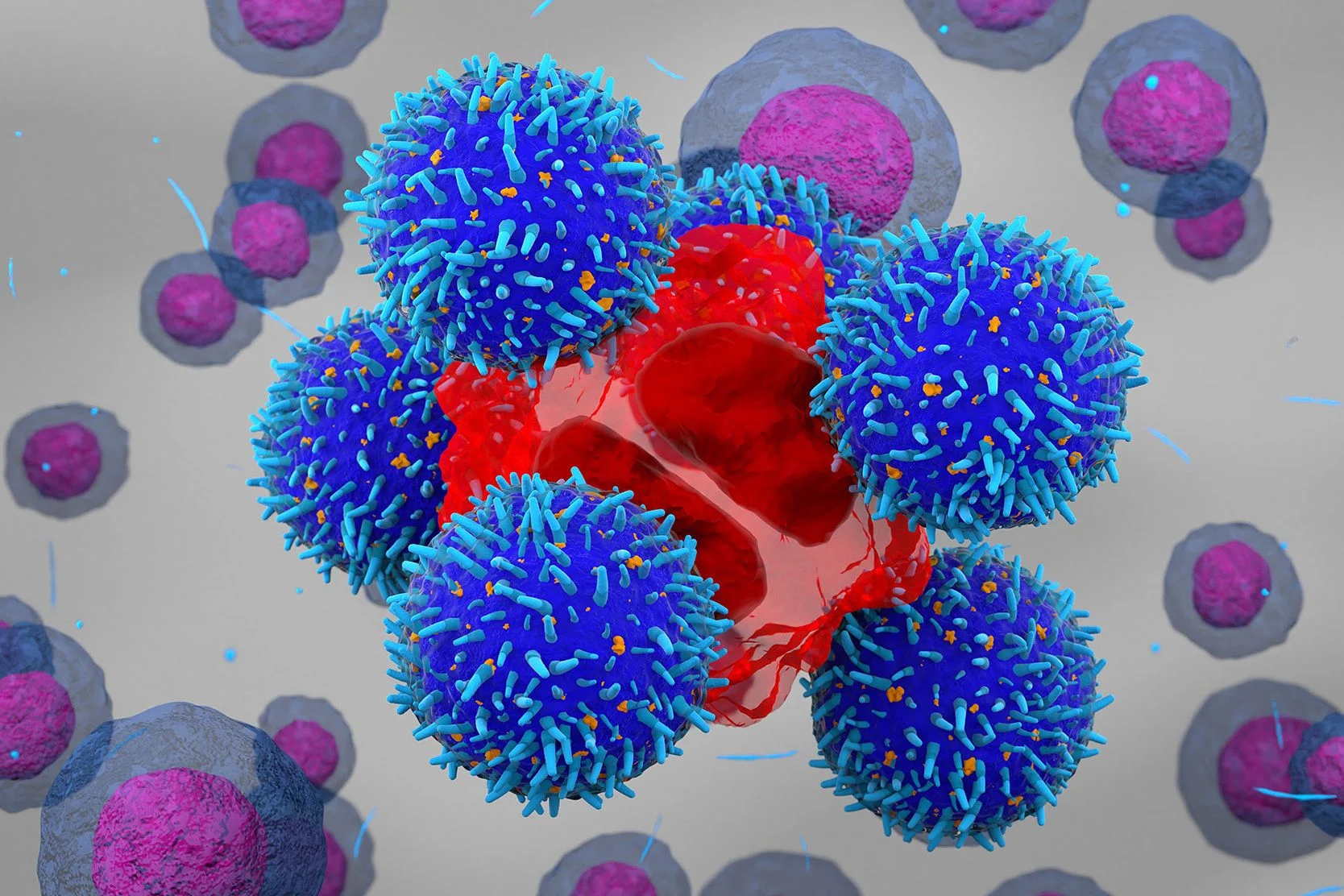
Immunotherapy is a type of cancer treatment that harnesses the body's immune system to fight the disease. It may do that by enhancing your natural defenses so they can better find and attack cancer cells. Or it may use substances made in the lab to boost your system's ability to fight cancer.
How is immunotherapy used in cancer treatment?
Immunotherapy takes advantage of the powerful way your body already defends you from disease: your own immune system. This system of organs, special cells and proteins keeps track of what belongs in your body and what doesn't. The immune system can recognize that a germ is foreign and destroy it.
Yet the immune system has a harder time with cancer cells. Because cancer starts with healthy normal cells changing and starting to rapidly divide, the system may not recognize these cells as dangerous. Cancer cells also have ways of evading detection. They may contain genetic changes that make them less visible to the immune system or have proteins on their surface that disable the immune cells.
There are several types of immunotherapy, each working in a different way. Some rely on specific parts of the immune system. Others work by homing in on specific targets in cancer cells to stop their growth or spread.
Immunotherapy has become an important part of treatment for a number of cancers, though it works better for some types than others.
Our approach to immunotherapy for cancer
UCSF has been administering immunotherapy treatments since 2011, as part of our commitment to a comprehensive approach to cancer. We have top-tier specialists in every area of cancer care – including chemotherapy, radiation therapy, surgery and immunotherapy. UCSF is home to one of the premier immunology programs in the United States, with a special clinic devoted to these treatments. In addition to patient care, we are dedicated to discovering better treatments through research. Interested patients may have opportunities to participate in clinical trials evaluating promising immunotherapies. Learn about the process and potential benefits of participating in a clinical trial.
Procedures for cancer immunotherapy
Immunotherapy is usually just one part of a cancer treatment plan. It's typically given in addition to other cancer therapies, such as chemotherapy, radiation and surgery. Not every patient requires all of these, but a tailored combination is often part of an individual's cancer treatment journey.
Immunotherapy is provided on an outpatient basis (meaning that no hospital stay is required). Depending on the drug, it may be given in the following ways:
- Intravenously (IV). Infused directly into a vein
- Topically. Applied to skin as a lotion or cream
- Orally. Taken by mouth as a pill or capsule
- Intravesical administration. Delivered directly into the bladder using a catheter (a thin, flexible tube) for early-stage bladder cancer
How long and how often you'll have immunotherapy treatments depends on the type of therapy, type and stage of the cancer, and how your body responds. Treatments may occur daily, weekly or monthly, or may be administered in cycles. Cycle-based therapy includes a rest period after each treatment session, giving the body a chance to rest, respond to the therapy and generate new, healthy cells.
Throughout immunotherapy treatment, you'll have regular checkups so your doctor can monitor your progress and address any problems.
Types of immunotherapy for cancer
Immunotherapy is an expanding field of cancer treatment, with many new types under investigation. The following are the most common immunotherapies used today.
Monoclonal antibodies
One way the immune system protects the body from germs and other foreign substances is by making antibodies. These are proteins that circulate in the blood, looking for viruses, bacteria and other organisms that cause disease. When an antibody finds a target cell, it attaches to a specific molecule on the surface called an antigen. That binding marks the cell for destruction by other immune system cells or processes.
Monoclonal antibodies are antibody-like proteins created in the lab to recognize specific cancer cells. They are engineered to function in different ways, including by flagging cancer cells, by triggering an immune response that destroys the outer wall of a cancer cell, by blocking the growth of cancer cells, by directly attacking cancer cells, and by delivering radiation therapy or chemotherapy. Monoclonal antibodies are used to treat a wide variety of cancers.
Immune checkpoint inhibitors
Some immune cells have a built-in system, using proteins known as immune checkpoints, that stops them from attacking healthy cells. Certain cancer cells protect themselves from destruction by activating these checkpoints in immune cells. Immune checkpoint inhibitors, which are a type of monoclonal antibody, block that activation, allowing the immune cells to recognize and destroy cancer cells.
Immune checkpoint inhibitors may be used to treat:
- Bladder cancer
- Breast cancer
- Cervical cancer
- Colon cancer
- Head and neck cancers, such as mouth or throat cancer
- Hodgkin's lymphoma
- Liver cancer
- Lung cancer
- Rectal cancer
- Renal cell cancer, a type of kidney cancer
- Skin cancers, including melanoma
- Stomach cancer
Adoptive T-cell therapy
T cells are a powerful type of white blood cell that fights germs to fend off disease. In this type of immunotherapy, T cells are collected from your own blood or tumor tissue, then grown in large numbers in the laboratory and returned to your body to help your immune system combat the cancer. Sometimes the T cells are modified in the lab to make them better cancer fighters. For one type of adoptive cell therapy, called CAR (chimeric antigen receptor) T-cell therapy, specific proteins are added to the patient's T-cells that enable them to recognize and destroy cancer cells.
Adoptive T-cell therapy may be used in the treatment of blood cancers, including:
TIL therapy
This approach deploys a special type of immune cell called a tumor infiltrating lymphocyte (TIL) that can detect and destroy cancer cells and is found inside of tumors. TIL therapy involves surgery to remove the patient's tumor. The tumor tissue is then put through a special process to isolate the TILs and multiply them into billions of cancer-fighting cells. They are then infused back into the patient. TIL therapy is currently used only as a treatment for advanced melanoma.
Vaccines
Cancer cells contain molecules called tumor-associated antigens. These antigens aren't found in normal cells. Cancer vaccines help the immune system learn to recognize these antigens and destroy cancer cells containing them. The vaccine may be made from your own tumor cells or from immune cells collected from your body. These cells are modified in the lab and infused back into your body, where they stimulate a targeted immune response against your cancer.
A vaccine for prostate cancer is currently the only cancer vaccine approved for treatment. However, clinical trials (studies using human volunteers) are evaluating vaccines to treat melanoma and glioblastoma (an aggressive type of brain tumor).
Oncolytic viruses
This therapy uses viruses known to infect cancer cells. The viruses are modified in the lab to produce an immune-boosting substance, then injected directly into the tumor. After invading a tumor cell, the virus rapidly replicates, causing the cell to burst. This releases the substance that stimulates the immune system to seek out and destroy remaining cancer cells.
To date, this technique has been approved only as a treatment for metastatic melanoma.
Side effects of immunotherapy for cancer
Because immunotherapy ramps up your immune system, healthy tissues and organs can also be attacked. This may result in various side effects – though they're usually mild.
Side effects can show up at any point during treatment, so it's important to talk to your doctor about what to look out for. Different types of immunotherapy have different side effects. The most common ones include:
- Abnormal blood pressure (low or high)
- Chills
- Dizziness
- Fatigue
- Fever
- Digestive issues, such as nausea, vomiting, diarrhea or constipation
- Headache
- Heart palpitations
- Itchiness
- Muscle or joint pain
- Pain, swelling or soreness at the infusion or injection site
- Rash
- Respiratory issues, such as coughing, congestion or shortness of breath
- Weakness
- Weight loss or gain
Possible adverse effects
Most patients won’t have major complications, but in some people, the stimulated immune system goes beyond targeting cancer cells and attacks healthy tissues. This can cause serious damage to the skin, lungs, heart, brain or other body parts. Some patients have developed severe inflammatory conditions, including inflammation of the lungs, pancreas, liver, kidneys, colon, nerves, eyes and heart muscle.
The extent of these adverse effects will depend on several factors, including:
- The patient's condition prior to treatment
- The type of cancer
- How advanced the cancer is
- The type of immunotherapy and dosage used
UCSF has specialists who focus specifically on managing the toxicities associated with immunotherapy. Our Cancer Immunotherapy Toxicity Evaluation Program provides resources for patients and doctors navigating these side effects.
Related articles
Cancer Pathology Tissue Slides FAQ
If you have a biopsy or surgery, diseased tissue is often placed on slides for a pathologist to examine. Learn how to get the slides to your doctor for review.
Cancer Radiology Scans and Reports FAQ
Learn the difference between a radiology report and radiology films or scans, why your doctor might request the scans and how to get them.
Self-Care for Caregivers
Caregiver fatigue can be brought on by the physical and emotional demands of caring for a loved one with a serious illness. Learn tips to combat caregiver fatigue here.
Communicating with Your Doctor
The doctor-patient relationship is built on communication and trust. Get tips to strengthen the partnership between you and your care team.
Coping with Chemotherapy
Everyone experiences chemotherapy differently. Understand the possible emotional and physical side effects of chemotherapy and how to cope.
Delegation to Help with Fatigue
Fatigue caused by cancer treatment can make it hard to accomplish tasks. Learn how to delegate tasks to people you trust and communicate effectively.
Nutrition Plans for Cancer Patients Undergoing Treatment
Side effects of cancer treatment may include a loss of appetite and nausea. Find out what foods to avoid and which ones may help you feel better.
Managing Your Treatment
Living with cancer or caring for someone with the disease can be overwhelming. Here are tips to reduce stress and help navigate life with cancer.
Nutrition and Coping with Cancer Symptoms
Side effects of cancer treatment may affect your eating habits. Find new ways to get the calories, protein and nutrients you need.
Questions to Ask Your Cancer Doctor
These questions can guide conversations with your cancer doctor and help you get the information you need to make care decisions for yourself or a loved one.
Resources for End of Life
Get resources to support yourself and your loved ones through end-of-life issues. Find bereavement support groups, counselors and reading materials.
Tips for Conserving Your Energy
Cancer treatments can cause extreme exhaustion. Here are tips to help you conserve your energy and manage cancer-related fatigue.
Using a Medical Calendar and Symptom Log
Here’s how to keep a medical calendar and symptom log to help you and your doctor track your condition and side effects of treatments or medications.
Helpful resources
Support services

Art for Recovery
Creativity can help people with serious illnesses cope, heal and express what they're going through. Find out about our program and how to join.
Cancer Exercise Counseling
Our one-on-one exercise training sessions, customized for your needs and abilities, can complement other cancer treatments and speed your recovery.
Cancer Nutrition Counseling
UCSF Health offers free nutrition counseling to our patients with cancer, as well as nutrition seminars that are open to anyone. Learn more.
Peer Support Programs for Cancer
PeerTalk connects interested cancer patients with cancer survivors who can share their own experience to provide emotional and practical support.
Core and More Class for Cancer Patients
A strong body helps you fight cancer and enjoy life. Join this class to stabilize your core, strengthen your muscles and improve overall fitness. For cancer patients and caregivers!
Friend to Friend Specialty Shops
A one-stop boutique for patients with cancer. Get professional help with wigs, prostheses, sun-protective clothing, makeup, skin care and more.
Meditation and Guided Imagery for Cancer Patients
Drop in for a free class designed to help you heal, relax and find balance during your treatment. UCSF and non-UCSF patients are welcome.
Oncology Social Work
Social workers offer support, problem-solving, help accessing UCSF cancer-related resources and more. Find out how to contact the social worker for your clinic.
Patient & Family Cancer Resource Center
The center offers wellness programming, community, support groups, classes, workshops and more at no cost to people facing cancer and their loved ones.
UCSF Health medical specialists have reviewed this information. It is for educational purposes only and is not intended to replace the advice of your doctor or other health care provider. We encourage you to discuss any questions or concerns you may have with your provider.