

Neurosurgery
On this page
Get care
Why choose UCSF Health for neurosurgery?
At UCSF Health, we care for patients with neurological conditions ranging from nerve compression to complex brain and spine tumors. Our team includes experts from many fields who work together to perform the latest, safest procedures, including minimally invasive and robot-assisted surgeries. You can find comprehensive care, from evaluations to surgery and recovery support, at several convenient locations around the Bay Area.
We use leading-edge surgical techniques and imaging tools to treat nervous system conditions, from common concerns to challenging cases. You benefit from innovative procedures, including those not widely available at other centers. You also have access to new treatments through our active research program.
We understand the unique challenges of complex neurological conditions, so we take a whole-person approach to care. We provide support groups, caregiver support and helpful services for you and your family.
Why choose UCSF Health for neurosurgery?
At UCSF Health, we care for patients with neurological conditions ranging from nerve compression to complex brain and spine tumors. Our team includes experts from many fields who work together to perform the latest, safest procedures, including minimally invasive and robot-assisted surgeries. You can find comprehensive care, from evaluations to surgery and recovery support, at several convenient locations around the Bay Area.
We use leading-edge surgical techniques and imaging tools to treat nervous system conditions, from common concerns to challenging cases. You benefit from innovative procedures, including those not widely available at other centers. You also have access to new treatments through our active research program.
We understand the unique challenges of complex neurological conditions, so we take a whole-person approach to care. We provide support groups, caregiver support and helpful services for you and your family.
Get care
Nationally ranked program
We're a "best hospital" (highest rating) and one of the top neurology and neurosurgery programs in the nation, according to U.S. News & World Report.Advanced diagnostic techniques
We use the latest technology for accurate diagnosis, including electromyography, nerve conduction studies and magnetic resonance angiography.Innovative surgical techniques
We offer advanced surgical procedures and technologies, including brain mapping, deep brain stimulation, laser interstitial thermal therapy (LITT) and robot-assisted radiosurgery.Top-funded research program
We're a top-funded neurosurgery program by the National Institutes of Health. Our research enables us to bring new treatments to our patients faster.
Comprehensive neurosurgery services
At UCSF Health, our neurosurgeons and support teams use some of the most advanced techniques. Our goal is to treat each patient with precision, safety and compassion — while pushing the boundaries of what's possible in care.
We incorporate the latest technology into our procedures. Techniques such as real-time brain mapping during surgery enable highly precise tumor removal, avoiding critical areas of the brain. We also use advanced imaging systems to reveal hidden tumor tissue during brain tumor surgery for safer, more complete tumor removal.
Advanced neurosurgery techniques
Leading-edge procedures we offer include:
-
Advanced spine surgery. Our Spine Center is one of the largest in the country. We use the latest imaging technology and minimally invasive, robot-assisted surgery to diagnose and treat spine disorders and cancers. Our experts design custom hardware, tailored to your unique anatomy, for spine stabilization.
-
Awake brain surgery. This method protects vital functions such as speech and movement during tumor removal.
-
Deep brain stimulation (DBS). A DBS device helps relieve symptoms of Parkinson's disease and essential tremor.
-
Gamma Knife and CyberKnife radiosurgery. These advanced technologies deliver focused radiation without incisions.
-
High-intensity focused ultrasound. This incision-free, minimally invasive therapy treats essential tremor.
-
Laser interstitial thermal therapy (LITT). This minimally invasive surgery uses heat to treat epilepsy and target brain lesions, reducing harm to healthy tissue.
-
Minimally invasive epilepsy surgeries. At our Epilepsy Center, experts use less invasive surgeries to place DBS, vagus nerve stimulation (VNS) and responsive neurostimulation (RNS) devices, which provide highly tailored treatment for seizures.
Locations
Providers
Vincent Morgese, MD
Neurosurgery
Michael Huang, MD
Neurosurgery (Endovascular Neurosurgery) • Neurosurgery
Doris Wang, MD, PhD
Pediatric Neurosurgery • Neurosurgery
Anthony Digiorgio, DO
Neurosurgery
Award-winning care

Among the top hospitals in the nation
Best in the West and No. 3 in the nation for neurology & neurosurgery
Related conditions & treatments
Conditions
- Arteriovenous Malformation
- Brain Injury
- Brain and Spine Tumors
- Brain Tumor
- Cavernous Angioma
- Stroke
- Dural Arteriovenous Fistula
- Hemorrhagic Stroke
- Hydrocephalus
Treatments
- Brain Surgery
- Brain Aneurysm Clip
- Laser Interstitial Thermal Therapy
- Minimally Invasive Spine Surgery
- Spinal Cord Surgery
- Peripheral Nerve Surgery
- Robotic Spine Surgery
Precise, less invasive treatments
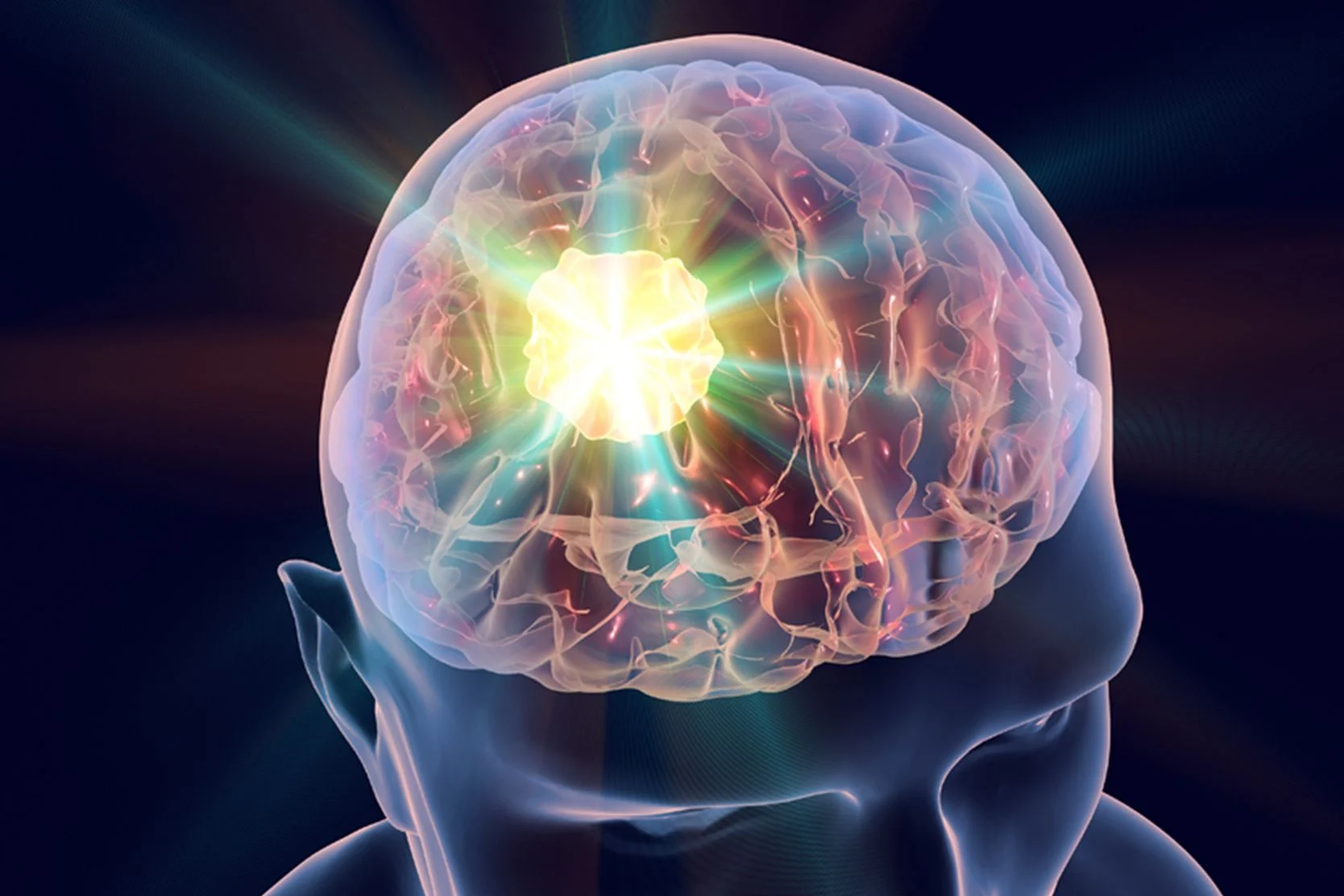
Laser Interstitial Thermal Therapy
In this minimally invasive alternative to traditional surgery, we use a laser to treat certain types of brain tumors.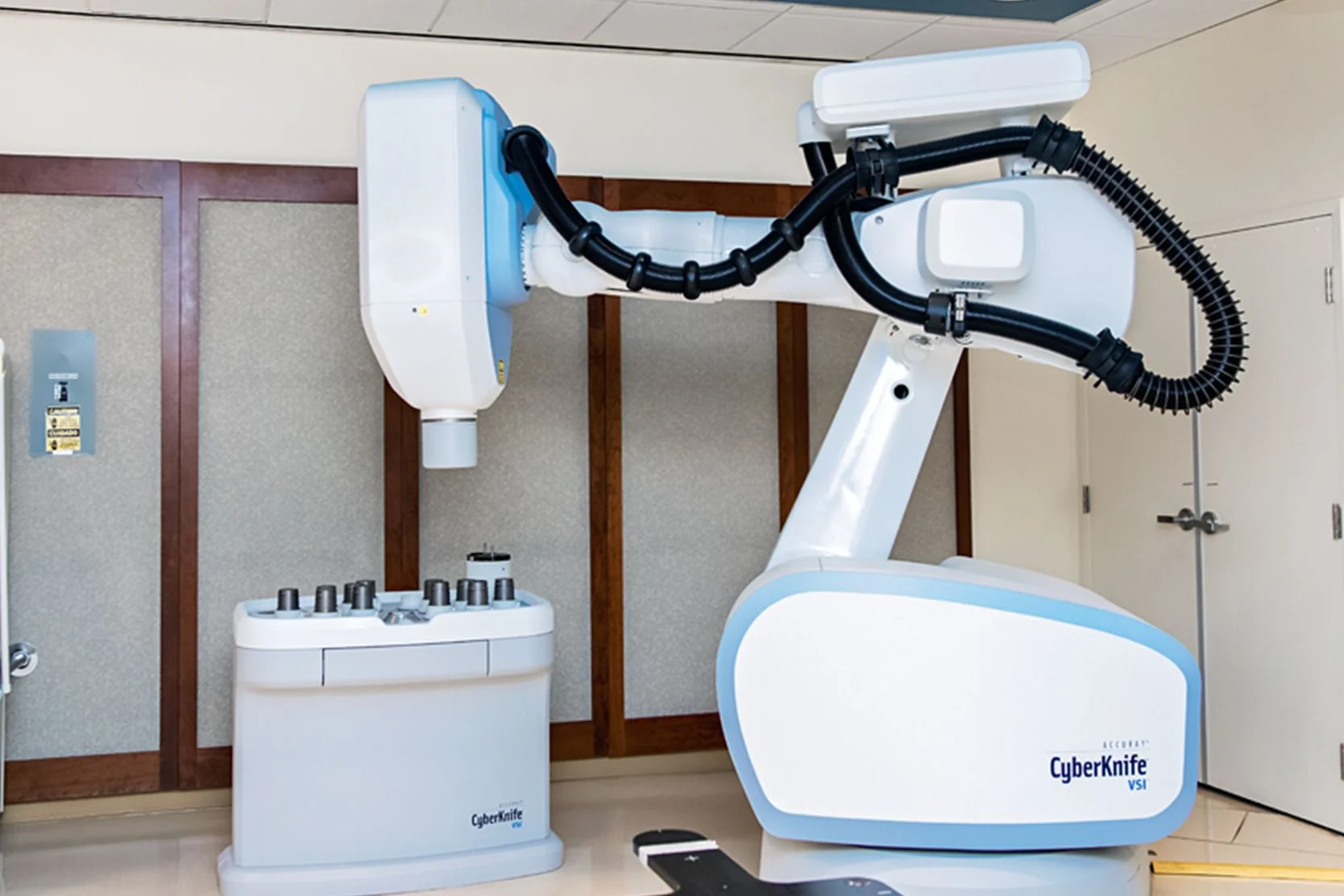
CyberKnife
The CyberKnife one of the most advanced forms of radiosurgery is a painless, non-invasive treatment that delivers high doses of precisely targeted radiation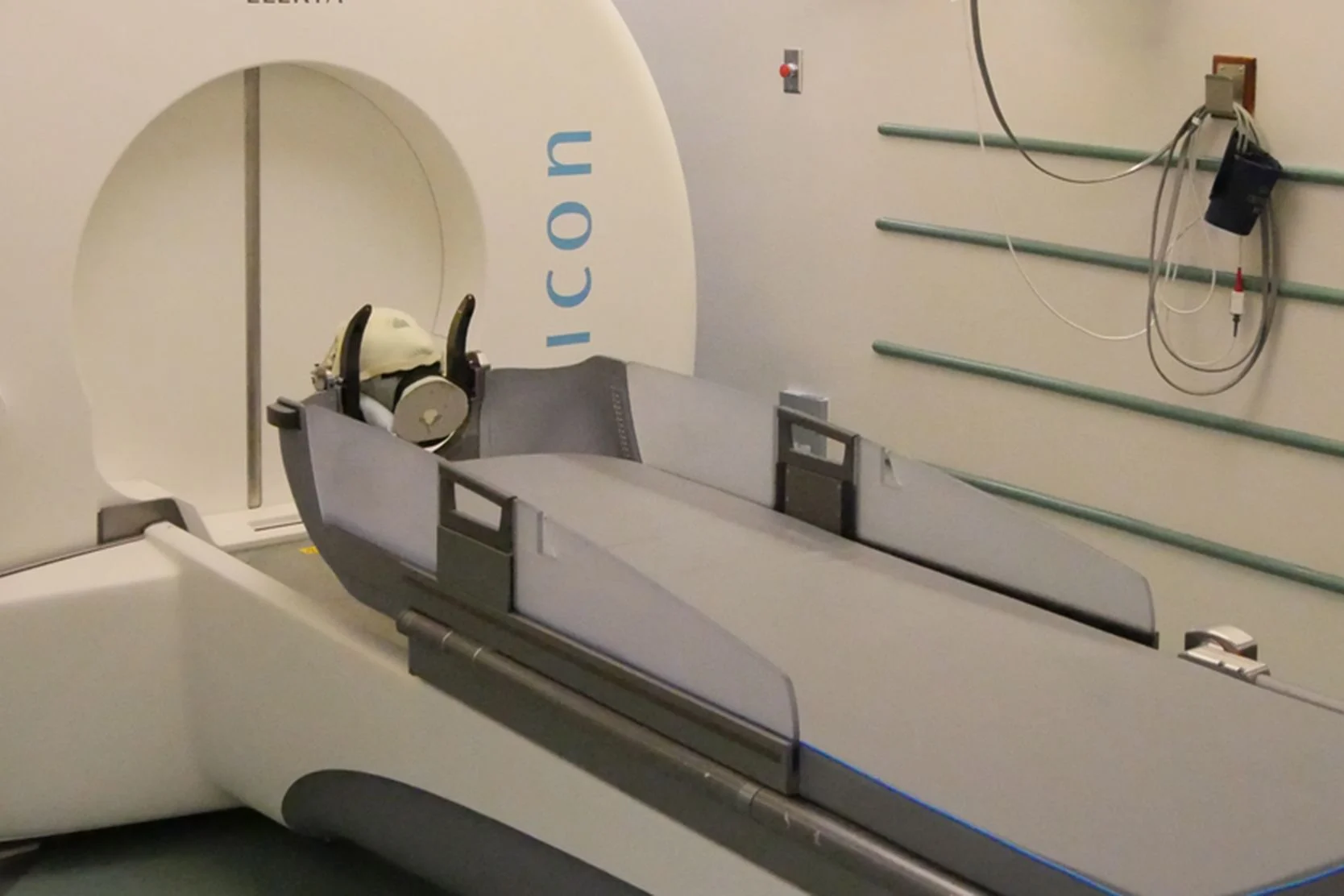
Gamma Knife
The Gamma Knife is an advanced radiation treatment for adults and children with small to medium brain tumors, abnormal blood vessel formations, and more.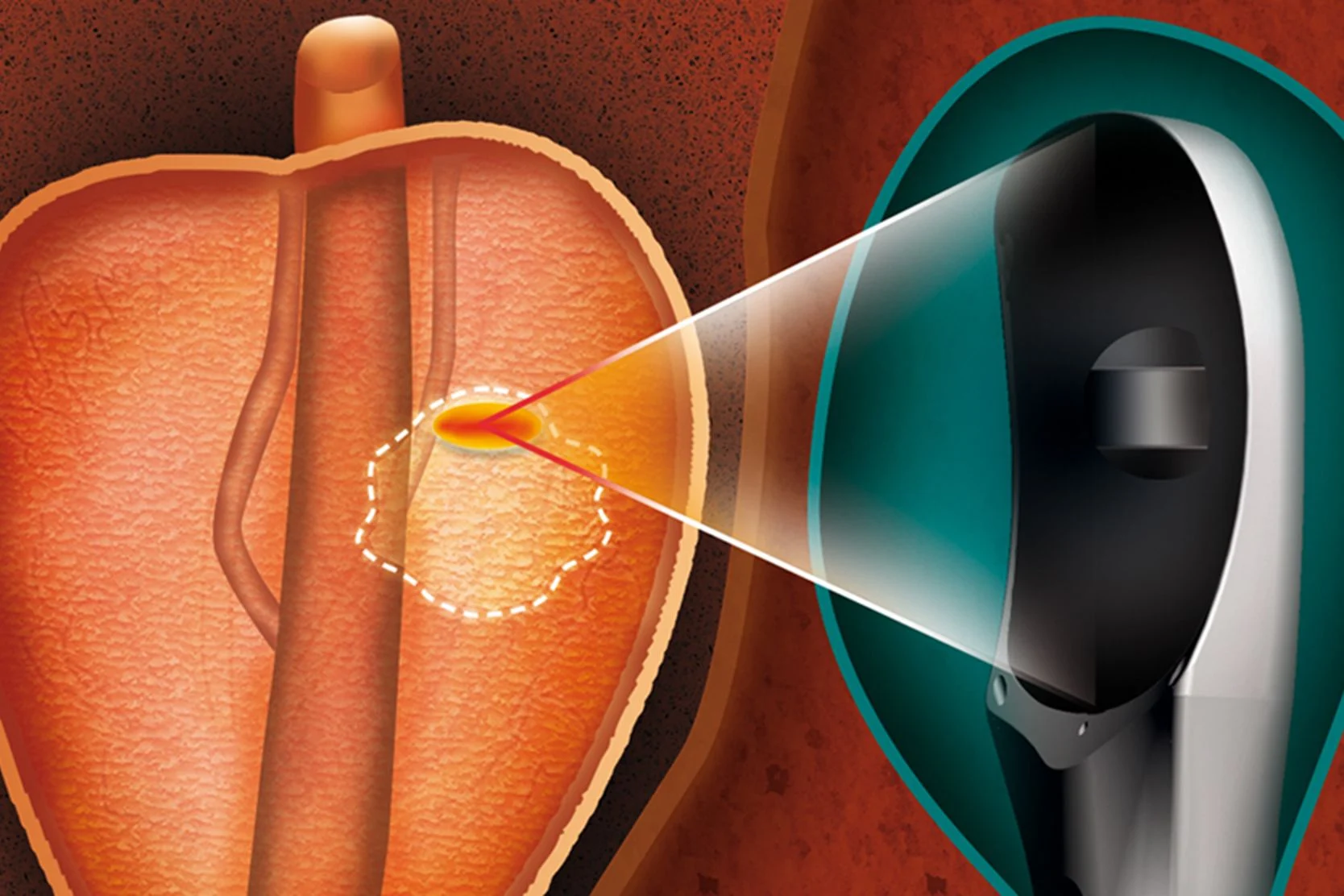
High-Intensity Focused Ultrasound (HIFU)
This minimally invasive treatment uses high-intensity sound waves to treat prostate cancer and to relieve pain from cancer that has spread to bones.
Explore what we do

"Rebooting" the brain of a patient with epilepsy
Clinical trials
Prospective Evaluation of Complex Adult Spinal Deformity (CAD) Treated With Minimally Invasive SurgeryOpens in a new window
Scoliosis specific patient reported outcome.Radiographic and Clinical Evaluation of Surgical Treatment for Cervical Deformity: A Multi-Center Study 2.0Opens in a new window
Self-reported pain in Head where 0=no pain/10=severe pain.Complex Adult Deformity Surgery (CADS)Opens in a new window
Scoliosis specific patient reported outcome.The Ailliance Post-Market Clinical StudyOpens in a new window
Defined by amount of: 1) blood loss (mL) during surgery and/or 2) total operation time and/or 3) length of stay in the hospital (measured from surgery completion to discharge), and/or 4) investigator opinion on whether the device...IA Lidocaine and Methylprednisolone for Headache Associated With Subarachnoid HemorrhageOpens in a new window
Headache Impact Test-6 score at baseline (pre-intervention), discharge, and at 1, 6, and 12 weeks postoperatively. Scores range from 36 (no impact) to 78 (severe impact), with higher scores indicating a greater negative impact.Model-based Electrical Brain StimulationOpens in a new window
A personalized decoder is trained for each patient using the recorded neural activity and self-reports. Then this decoder is used to estimate the biomarker purely from neural activity; that is, based on neural activity, it will re...Canadian-American Spinal Cord Perfusion Pressure and Biomarker StudyOpens in a new window
Neurologic recovery over time will be measured using the ISNCSCI examination - at Baseline, Days 1-7, and months 3, 6 and 12. Our primary outcome measure will be the change in total motor score at 6 months post-injury (a time poin...
Accreditations & memberships

Level 4 epilepsy center
We have the highest-level rating from the National Association of Epilepsy Centers. Centers with this designation provide the most advanced epilepsy treatments.
Cerebral Cavernous Malformation Center of Excellence
The advocacy group Angioma Alliance named us a center of excellence in cerebral cavernous malformation.
Research initiatives
UCSF Department of Neurological Surgery ResearchOpens in a new window
The UCSF Department of Neurological Surgery studies a broad range of topics, bringing scientists and physicians together to advance our understanding of the mind and improve patient care.
Support services

Case Management and Social Work
Connect with a team that can help you find resources, solve problems and advocate for you during treatment at UCSF.
Mindfulness-Based Stress Reduction Class
This eight-week class teaches mindfulness practices that can reduce stress and improve your overall health, such as meditation and body awareness.
Patient Relations
We welcome feedback about your experience at UCSF Health. Find out how to contact us with comments, questions or concerns.
Spiritual Care at UCSF
Chaplains representing many faiths are available around the clock to provide support, comfort and counsel to patients, families and caregivers.