
Pelvic Floor Physical Therapy

On this page
Overview
Pelvic floor physical therapy can give women with urinary incontinence the skills they need to regain bladder control. It works by improving the strength and function of the muscles that support the bladder, urethra and other pelvic organs.
The pelvic floor muscles, called the levator ani, stretch from the pubic bone to the tailbone, creating the "floor" of the pelvis. The urethra, vagina and rectum pass through small openings in this muscle group. The levator ani helps maintain pressure within the urethra, preventing urine leakage.
Aging, childbirth, surgery or certain medical conditions can damage or weaken the levator ani. Strengthening these muscles can lessen the contractions associated with overactive bladder and help keep the bladder, uterus and rectum in their proper positions.
At the UCSF Center for Urogynecology and Women's Pelvic Health, pelvic physical therapy is provided by physical therapists who specialize in urinary incontinence and pelvic organ prolapse. We work with each patient to develop a personalized program that meets her needs and goals. The components of an individual program may include pelvic muscle exercises (commonly called Kegels), biofeedback or electrical stimulation of muscles.
If you're interested in pelvic floor physical therapy, please talk to your doctor about a referral.
Patient education
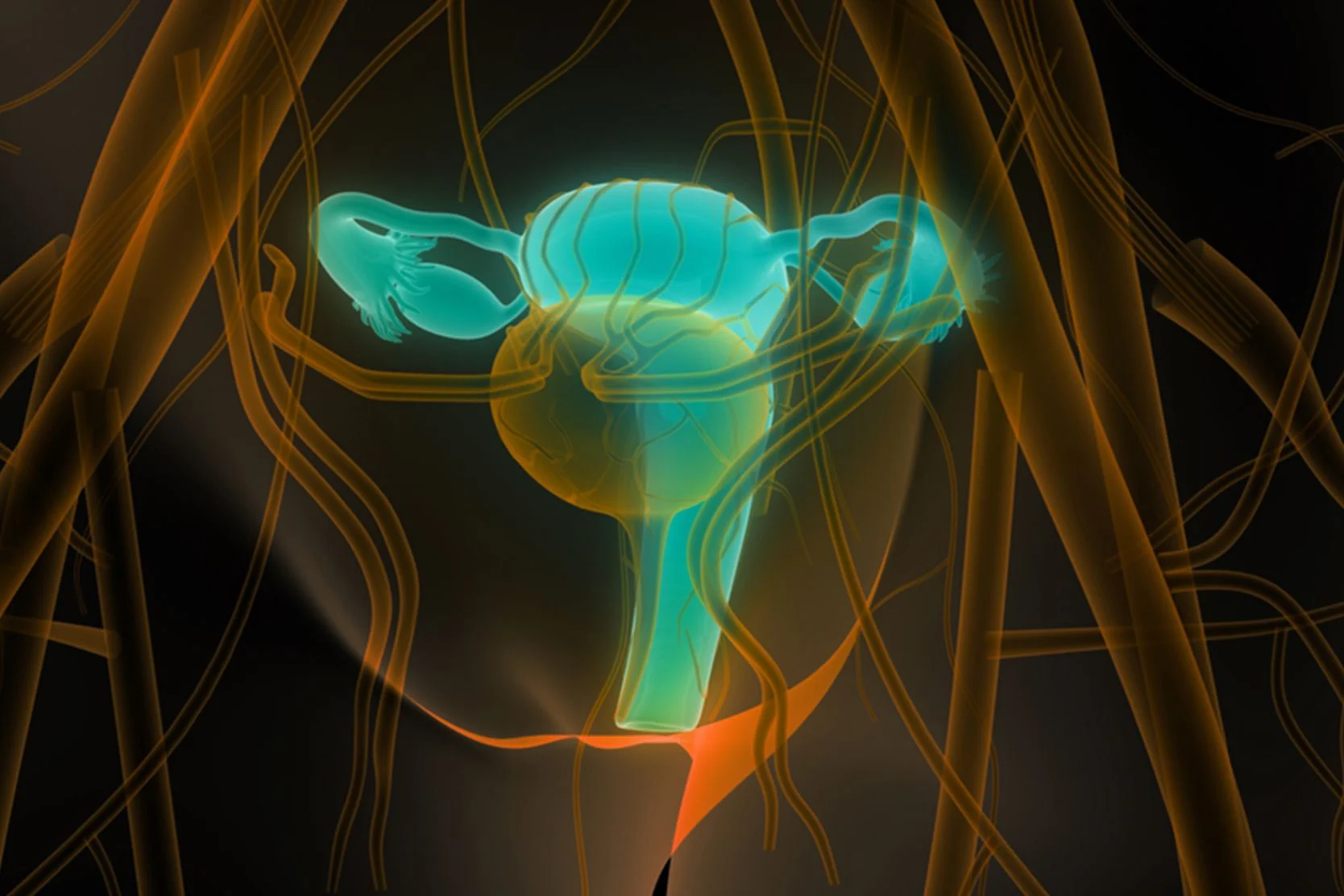
Biofeedback for Incontinence
Biofeedback, which measures bodily processes in a way you can see, hear or understand, can help you strengthen pelvic muscles and treat incontinence.
Bladder Training
Bladder training can help treat incontinence. Get instructions to guide your bladder training so you can achieve your health goals.
Pelvic Muscle Exercises
Strengthening pelvic muscles through exercise can improve incontinence. Learn how to do pelvic muscle exercises, also known as Kegels.
Pessaries
Inserting a pessary device in the vagina can help reduce urine leakage. Learn more about pessaries, including how to insert and remove them.
Related services and conditions
Specialties
Conditions
UCSF Health medical specialists have reviewed this information. It is for educational purposes only and is not intended to replace the advice of your doctor or other health care provider. We encourage you to discuss any questions or concerns you may have with your provider.