


Urogynecology & Women's Pelvic Health
On this page
Why choose UCSF Health for urogynecology and women's pelvic health care?
UCSF Health's urogynecologists provide highly specialized care for pelvic floor disorders in women, including minimally invasive surgeries. You receive focused, high-quality pelvic care from board-certified providers who have extensive training and experience (fellowship trained).
We help women improve their pelvic function and restore their confidence. Our providers get to know your goals, present multiple treatment options and help you decide what solution may work best for you.
Why choose UCSF Health for urogynecology and women's pelvic health care?
UCSF Health's urogynecologists provide highly specialized care for pelvic floor disorders in women, including minimally invasive surgeries. You receive focused, high-quality pelvic care from board-certified providers who have extensive training and experience (fellowship trained).
We help women improve their pelvic function and restore their confidence. Our providers get to know your goals, present multiple treatment options and help you decide what solution may work best for you.
Collaborative care team
Our urogynecologists work with colorectal surgeons and physical therapists, giving you comprehensive, integrated, whole-person care.Patient-centered approach
We consider your values, goals and health history when discussing your treatment options so you get the solution that works for your life.Virtual consultations
Our urogynecologists see patients in a large geographic area. Virtual consultations are available to reduce your travel time for appointments.Pioneering research
Our urogynecology team is researching methods to improve pelvic disorder care for specific populations, such as older adults and postpartum women.
Urogynecology and women's pelvic health services
Women turn to UCSF Health's urogynecologists for expert pelvic floor care, including bladder leakage treatment and pelvic organ prolapse treatment. You can find the latest diagnostic techniques, including specialized bladder testing (urodynamics), and advanced treatment options.
Our urogynecologists and pelvic floor specialists work with other UCSF Health experts to provide comprehensive care. Your care team may include:
Gynecologists
Pelvic floor therapists
Reconstructive urologists
Colorectal surgeons
Neurologists
Plastic surgeons
Pain medicine specialists
Together, we help women with pelvic floor disorders, including pelvic issues after childbirth, urinary incontinence and pelvic organ prolapse. We also offer specialized care for girls with congenital anomalies of the genitals (abnormalities present at birth).
Our team listens to your concerns and works to understand your goals and values. We talk through multiple treatment options, which may include:
Nonsurgical pelvic disorder treatments
Our urogynecologists offer several nonsurgical treatments. We discuss with you which options may work best.
Medications
Injections
Behavioral modifications
Physical therapy
Surgery for pelvic disorders
When possible, we use a minimally invasive surgical approach. This technique uses smaller incisions and typically leads to a shorter recovery. Surgery options include:
Mesh revision surgery
Non-mesh and mesh surgery for stress urinary incontinence
Urethral sling surgery
Uterine-sparing repair for pelvic organ prolapse
You have several follow-up appointments with us after surgery. We make sure you're healing well, and your symptoms are improving.
Our commitment
Locations
Providers

Olga Ramm, MD
Obstetrics and Gynecology
Abner P. Korn, MD
Obstetrics and Gynecology (Urogynecology and Reconstructive Pelvic Surgery)
Caitlyn Painter, DO
Obstetrics and Gynecology (Minimally Invasive Gynecologic Surgery) • Obstetrics and Gynecology (Urogynecology and Reconstructive Pelvic Surgery)
Abigail Shatkin-Margolis, MD
Obstetrics and Gynecology • Obstetrics and Gynecology (Urogynecology and Reconstructive Pelvic Surgery)
Recognized care

Among the top hospitals in the nation
Related conditions & treatments
Conditions
- Urinary Genital Tract Fistula
- Pelvic Organ Prolapse
- Urinary Incontinence
- Recurrent Urinary Tract Infection
- Voiding Dysfunction
- Genitourinary Fistula
- Enterovaginal Fistula
- Colovaginal Fistula
- Stress Urinary Incontinence
Treatments
- Mesh Removal
- Prolapse Surgery
Accreditations & memberships
American Urogynecologic Society
Our providers are active members of the American Urogynecologic Society (AUGS). This nonprofit organization supports care improvements for women with pelvic floor disorders.
Patient stories

Pelvic floor surgery helps patient regain confidence

Mid-urethral sling surgery solves a mom’s incontinence
Patient education
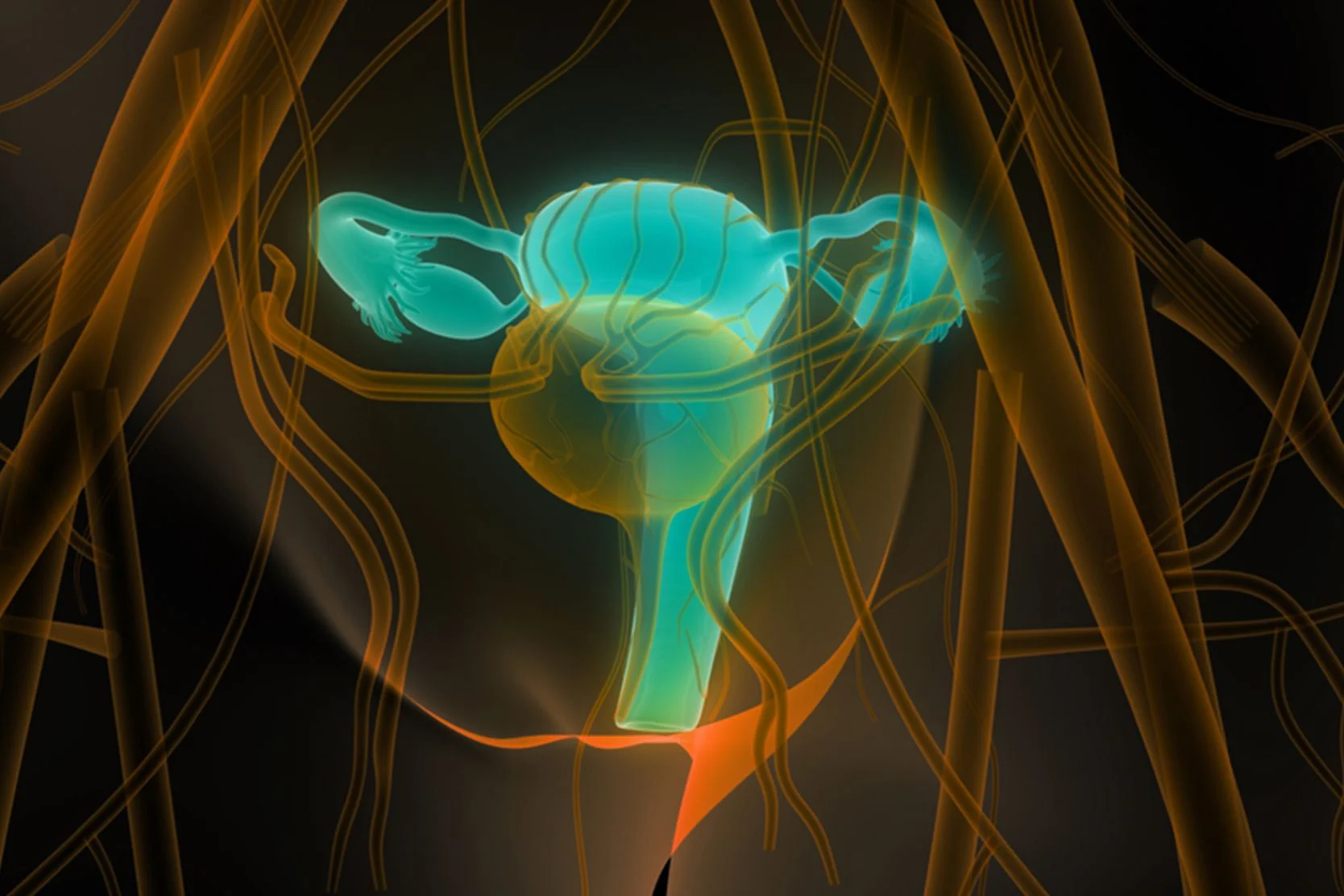
Biofeedback, which measures bodily processes in a way you can see, hear or understand, can help you strengthen pelvic muscles and treat incontinence.

Bladder training can help treat incontinence. Get instructions to guide your bladder training so you can achieve your health goals.

Strengthening pelvic muscles through exercise can improve incontinence. Learn how to do pelvic muscle exercises, also known as Kegels.

Inserting a pessary device in the vagina can help reduce urine leakage. Learn more about pessaries, including how to insert and remove them.
Meet our providers
Hear from our providers about how they center the needs of patients and families in their work.


1 of 2
Support services

Case Management and Social Work
Connect with a team that can help you find resources, solve problems and advocate for you during treatment at UCSF.
Mindfulness-Based Stress Reduction Class
This eight-week class teaches mindfulness practices that can reduce stress and improve your overall health, such as meditation and body awareness.
Patient Relations
We welcome feedback about your experience at UCSF Health. Find out how to contact us with comments, questions or concerns.
Spiritual Care at UCSF
Chaplains representing many faiths are available around the clock to provide support, comfort and counsel to patients, families and caregivers.
Women's Health Resource Center
Access free health resources here, from classes and webinars to support groups and medical referrals, plus pregnancy, birth and breastfeeding services.