
Nutrition for Breast Cancer Prevention

Changing your relationship to food and eating involves a major shift in thinking, feeling and doing. The goal of this shift is to create a lifestyle change, not to temporarily lose weight on a diet.
Choosing, making and eating food with an "Abundance Model" includes the pleasures of delicious choices, many tastes, ample portions, not feeling limited, not counting calories and eating when hungry.
This is in contrast to the more common "Deprivation Model" where rules of "do not" and "should not" leave us feeling bad or guilty with unmet hunger and cravings. Cycles of stress and depression-related eating are common with this model. A shift from "I can't eat without feeling bad and guilty" to "I enjoy an abundance of healthy, delicious food" often results in a better-nourished and healthier self.
| Recommendations | Examples |
| 1. Lower dietary fat to between 10% to 20% of calories | Low or nonfat foods |
| 2. Eat more plant-based protein and eat less animal-based protein | More beans and soy Less turkey and lean meats |
| 3. Minimum daily servings of: Grains: 6 per day Vegetables: 3 – 5 per day Fruits: 2 – 4 per day Beans: 1 – 2 per day Soy: 1 – 2 per day |
Whole grains Cruciferous vegetables Pinto and kidney beans Tofu and soy milk |
| 4. Drink 8 to 10 eight ounce glasses of water a day | Carry a water bottle |
| 5. Limit caffeine to no more than 1 to 2 cups a day | Herbal teas |
| 6. Drink alcohol in moderation | No more than 3 servings per week |
| 7. Limit nitrates and cured foods | Hot dogs |
| 8. Decrease food additives | Artificial flavors |
Note: Please discuss with us the personal goals for changes in behavior you want to make. Some changes are better made gradually and with support (for example, quitting smoking, lowering alcohol or caffeine intake).
Basic facts about breast health
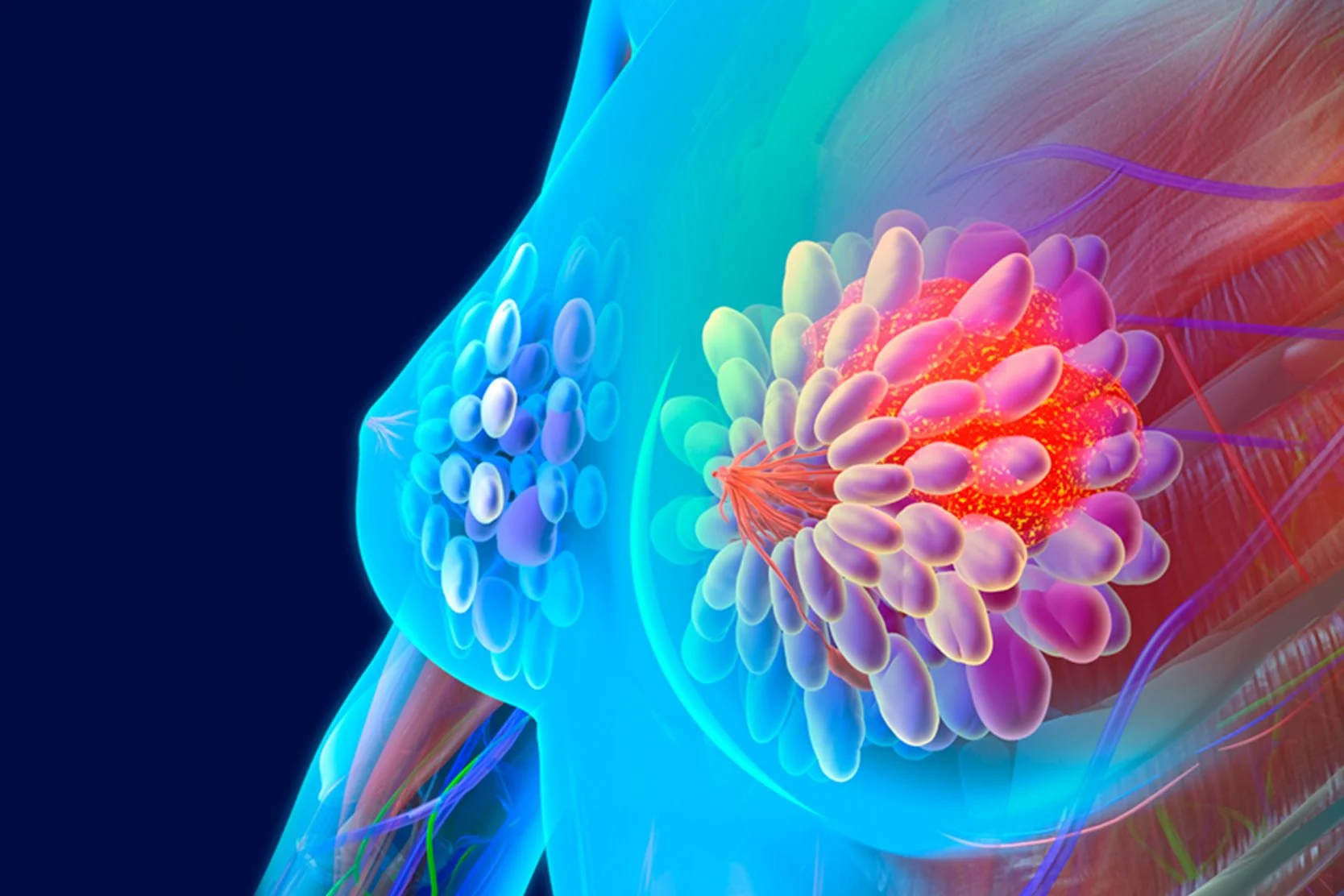
Basic Facts About Breast Health: Breast Anatomy
Breasts are made up of several parts, including lobes, ducts, fat and vessels. Read here to learn more about breast anatomy and breast health.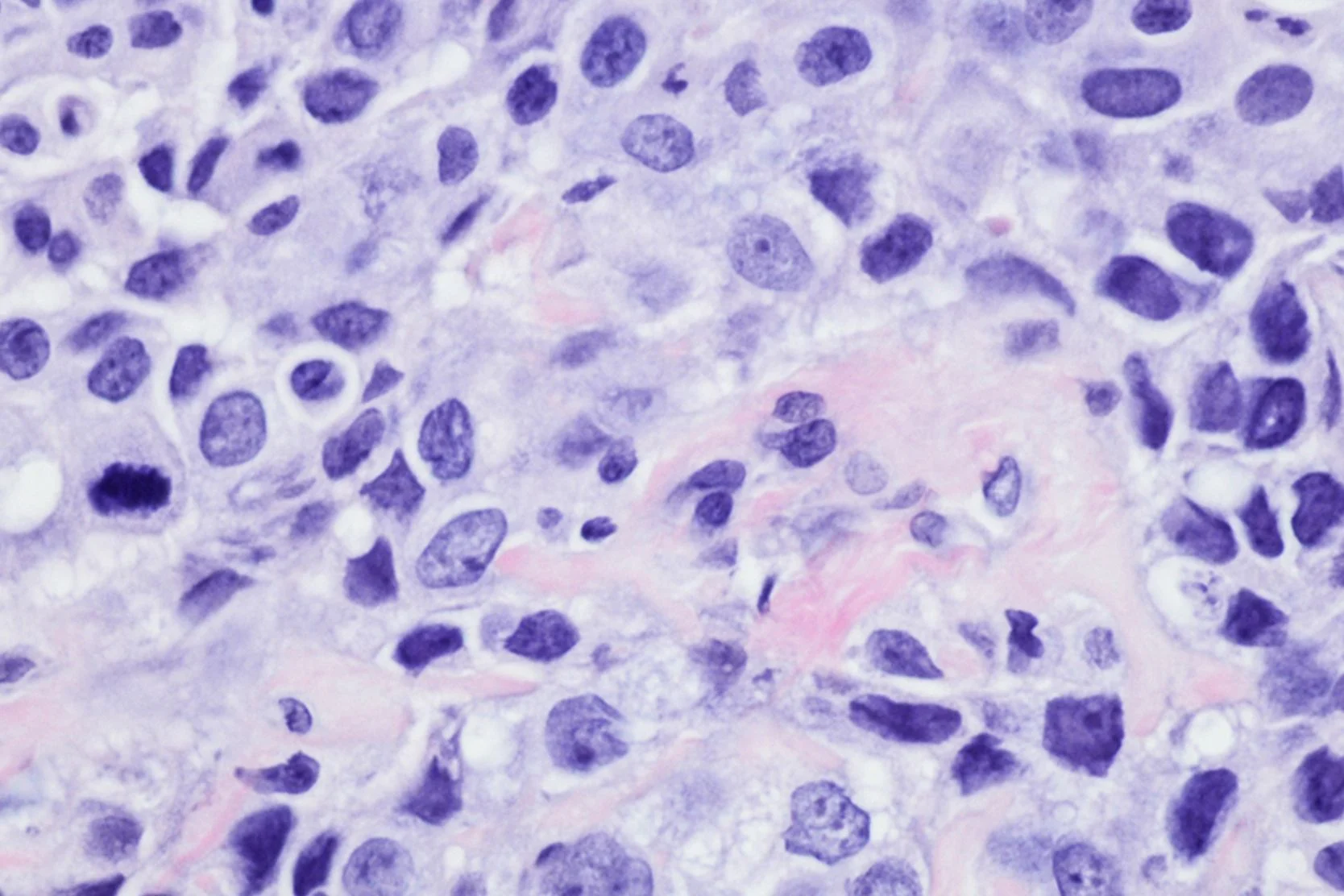
Basic Facts About Breast Health: Breast Cancer Biology
Get the facts about breast cancer. In this overview, we explain what cancer is, how it spreads, what causes breast cancer and how it is staged.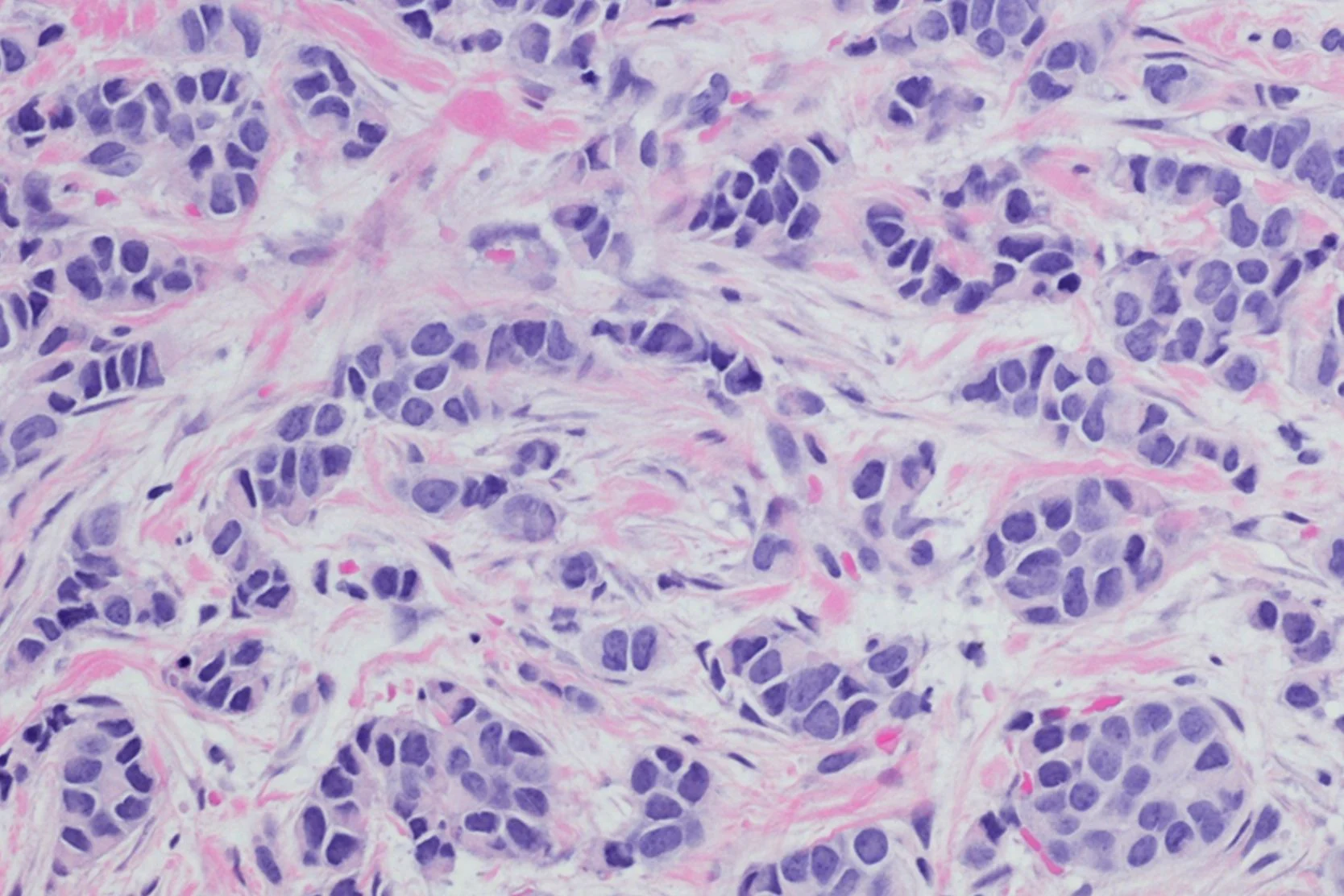
Basic Facts About Breast Health: Breast Cancer Staging
Understand breast cancer staging, including how doctors stage breast cancer (determine its severity) and what factors may affect your recovery process.
American Cancer Society Breast Health Guidelines
Find out why the American Cancer Society recommends mammography, clinical exams and breast self-exams as the best methods for early detection.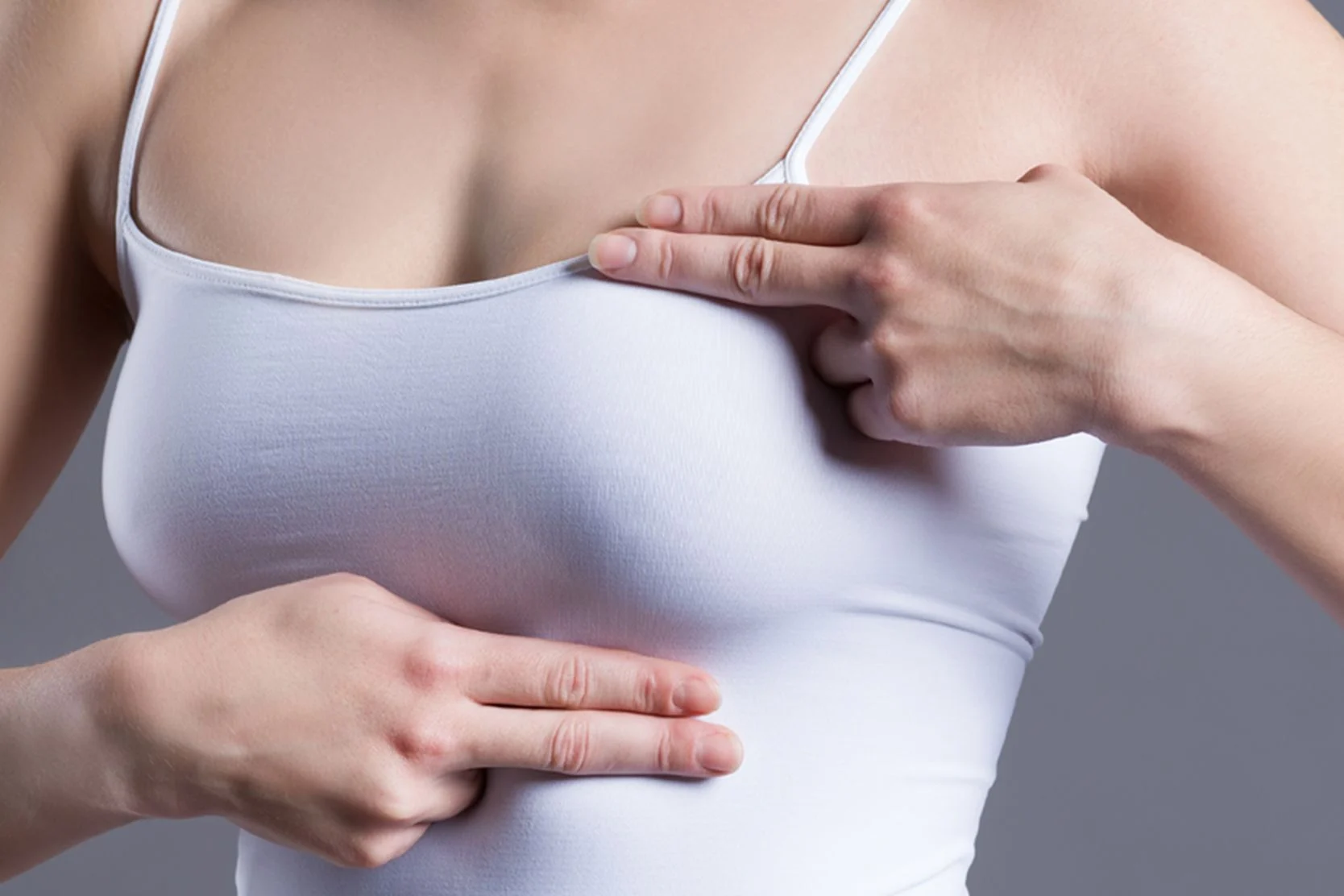
Basic Facts About Breast Health: Breast Self Exams
Learn how to check your breasts for lumps and other changes. Do a breast self-exam every month and talk to your doctor about any breast changes.
Basic Facts About Breast Health: Mammograms
A mammogram is a low-dose X-ray of the breast and an important part of screening for breast cancer. Learn more about the different types of mammography.
Lifestyle Changes for Breast Cancer Prevention
Find out how lifestyle changes, such as quitting smoking, getting more sleep and reducing stress might reduce breast cancer risk.
Recommended reading

Breast Cancer Glossary
This comprehensive glossary of breast cancer terminology includes helpful definitions of everything from AC chemotherapy to X-ray.
Breast Cancer Risk Factors
Some people have a higher risk of developing breast cancer than others. Find out what factors increase risk, including those we can and cannot change.
Self-Care and Recovery
Self-Care and recovery resources including an Introduction to Lifestyle Change, Nutrition and Breast Cancer, Hydration: Water and Health, Meditation and more.
Follow-Up Care for Breast Cancer Patients
After completing early-stage breast cancer treatment, here’s what to expect for follow-up exams, mammograms and other screening tests.
Preparing for a Lumpectomy or Mastectomy
Here’s how to prepare for a lumpectomy or mastectomy, including arrangements you should make before surgery, what to eat and items to bring to the hospital.
Menopause and Breast Cancer
Breast cancer treatment often causes premature menopause and can trigger certain side effects. Find out how to deal with menopause symptoms.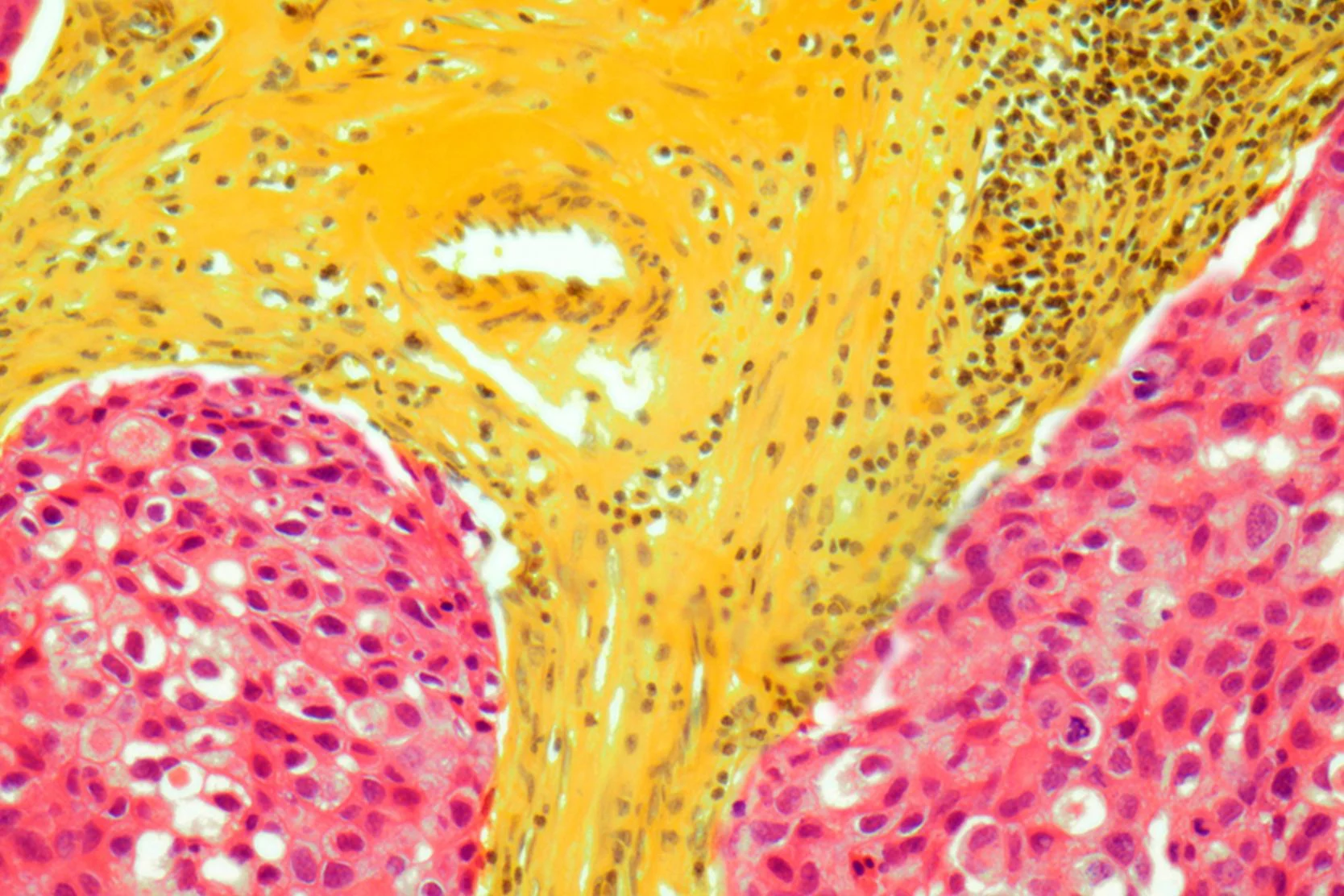
Metastatic Breast Cancer: Diagnosis and Treatment
Metastatic breast cancer is cancer that originated in the breast and has spread to other parts of the body. Learn what may affect treatment options.
Navigating Breast Care
No matter what kind of breast care you need, you can find resources and guidance to support your breast health.
Osteoporosis and Breast Cancer
Having had breast cancer increases your risk of developing osteoporosis. Find out how we diagnose osteoporosis using a bone mineral density (BMD) test.
Radiation Therapy for Breast Cancer
Learn about radiation therapy for breast cancer, including what to expect during treatment and how to care for yourself between sessions.
Taking Charge: Women's Health
Knowledge about female cancers can help you take action and protect yourself. Get the facts about breast and ovarian cancers.
UCSF Health medical specialists have reviewed this information. It is for educational purposes only and is not intended to replace the advice of your doctor or other health care provider. We encourage you to discuss any questions or concerns you may have with your provider.