
Questions to Ask Your Cancer Doctor

If you've been diagnosed with cancer, you'll have lots of questions. Because your time with the doctor is limited, it's helpful to prepare for the visit by prioritizing the questions that are important to you. You may want to start your discussion with a statement about your personal goal for this appointment (i.e., the main question or concern you want to address).
Let the doctor know in advance how involved you'd like to be in decision-making, and how much detailed information you'd like to be given. Keep in mind that you can direct questions about financial issues or emotional support to other members of the medical team or to the Patient and Family Cancer Resource Center.
It is not uncommon during the first few office visits to feel overwhelmed and forget much of what is said. You might consider bringing a family member or loved one to your first few visits. Having another person there to ask questions and review the information with you afterward can be extremely helpful.
It's a good idea to bring a notebook with a list of questions for your doctor and a pen to jot down important information. You can also ask your doctor to send you a copy of their evaluation and treatment recommendations.
If you need help preparing for your doctor visit, the Consultation Planning program at the Patient and Family Cancer Support Center is a free service that can help you identify your key questions and concerns. Those questions and concerns are then organized into a flow chart, which serves as a guide for your discussion with the doctor. Call the UCSF Cancer Resource Center at (415) 885-3693 for more information.
Diagnosis
- What stage is my cancer?
- Can you tell if this is a fast-growing type of cancer or a slow-growing type?
Tests
- What tests will I have?
- What will these tests tell me about my cancer?
- How long after I have these tests will it take to get the results?
- Who will call me with the test results? Or, who should I call to get the results?
- If I need copies of my records, scans, X-rays and so on, who do I contact?
- Do I have to do anything special to prepare for the tests?
- Do these tests have any side effects?
Doctors
- How many doctors will be involved in my care? Who are they? What are their roles?
- Who will be the doctor in charge of coordinating my care and the rest of the doctors?
- What other health care professionals can I expect to be involved in my care?
Treatment
- What is the standard treatment for my type of cancer?
- How many patients have you treated with this treatment? What were the results?
- How does this compare with other institutions?
- What is the future outlook (prognosis) for my type of cancer with standard treatment?
- Are there any other treatments that might be appropriate for my type of cancer?
- What treatment do you recommend? On what do you base your recommendation?
- What are the risks or benefits of the treatment you're recommending?
- Who would you recommend that I talk to for a second opinion?
- What percentage of patients usually respond to this treatment?
- How long does each treatment last?
- How long is the entire course of therapy?
- How often will I be treated?
- What type of results should I expect to see with the treatment?
- Will there be tests during my treatment to determine whether it's working?
- What will the treatments feel like?
- Can someone accompany me to my treatment?
- Can I drive to and from my appointments? Is parking available?
- Can I stay alone after my treatments, or do I need to have someone stay with me?
- Will I have to be in the hospital to receive my treatments?
- Who will administer my treatments?
- How often, during treatment, will I see a doctor? The nurse?
- Will a reduction in or delay of the recommended therapy reduce my chances of being cured?
- Are there foods or medications or activities that I should avoid while I am going through treatment?
- How soon after treatment can I go back to work?
Clinical trials
- Are there any clinical trials or research being done on my type of cancer?
- Are there any clinical trials that you particularly recommend?
- Am I a candidate for any of the clinical trials that you recommend?
- Where can I find related research information?
- Is there anyone else in the area involved in research that I might contact to discuss my cancer?
- How much time do I have to make a decision about my treatment options?
Financial issues
- Will the required treatment require out of pocket expenses?
- Is there someone in your office (or facility) who assists patients with questions about insurance? Who would that be?
- If my insurance doesn't pay for a particular treatment or medication, will you recommend an alternative treatment? What if it is less effective?
- Who can I talk to about getting treatment if I don't have insurance?
- Who can I talk to about pharmacy assistance programs if my insurance doesn't cover a particular medication?
Support
- Where can I get literature about my illness?
- Are you willing to speak to my spouse or other family members about my illness and my treatments?
- Where can I find out about support groups?
- Can I speak to someone who has undergone this type of treatment?
- Is there a social worker I can talk with?
- Is there a dietitian on staff if I have nutritional concerns or difficulties?
- Do I need to be on a special diet?
- Are there any lifestyle changes you would recommend?
- Who do I call if I have an emergency medical situation during my treatment, or shortly afterward?
- What telephone numbers should I have in order to reach you? The nurse? The hospital?
Side effects
- Should I watch for any particular symptoms?
- How likely are they to occur?
- What should I do if I have side effects?
- Who should I call if I experience severe side effects?
- What can be done to prevent these side effects or reduce their severity?
- When might these side effects occur?
- Could these side effects be life threatening?
- How long will the side effects last?
- What treatments are available to manage side effects?
Recommended reading
Self-Care for Caregivers
Caregiver fatigue can be brought on by the physical and emotional demands of caring for a loved one with a serious illness. Learn tips to combat caregiver fatigue here.
Communicating with Your Doctor
The doctor-patient relationship is built on communication and trust. Get tips to strengthen the partnership between you and your care team.
Coping with Chemotherapy
Everyone experiences chemotherapy differently. Understand the possible emotional and physical side effects of chemotherapy and how to cope.
Delegation to Help with Fatigue
Fatigue caused by cancer treatment can make it hard to accomplish tasks. Learn how to delegate tasks to people you trust and communicate effectively.
Nutrition Plans for Cancer Patients Undergoing Treatment
Side effects of cancer treatment may include a loss of appetite and nausea. Find out what foods to avoid and which ones may help you feel better.
Evaluating Health Information
Health information can be empowering, but how do you know if it’s accurate? Learn to identify red flags and assess the credibility of health information.
Cancer Pathology Tissue Slides FAQ
If you have a biopsy or surgery, diseased tissue is often placed on slides for a pathologist to examine. Learn how to get the slides to your doctor for review.
Cancer Radiology Scans and Reports FAQ
Learn the difference between a radiology report and radiology films or scans, why your doctor might request the scans and how to get them.
Hospice Care
Hospice provides home care and support to terminally ill people and their caregivers. Learn more about hospice, including costs and criteria.
Managing Your Treatment
Living with cancer or caring for someone with the disease can be overwhelming. Here are tips to reduce stress and help navigate life with cancer.
Nutrition and Coping with Cancer Symptoms
Side effects of cancer treatment may affect your eating habits. Find new ways to get the calories, protein and nutrients you need.
Resources for End of Life
Get resources to support yourself and your loved ones through end-of-life issues. Find bereavement support groups, counselors and reading materials.
Tips for Conserving Your Energy
Cancer treatments can cause extreme exhaustion. Here are tips to help you conserve your energy and manage cancer-related fatigue.
Using a Medical Calendar and Symptom Log
Here’s how to keep a medical calendar and symptom log to help you and your doctor track your condition and side effects of treatments or medications.
Support services
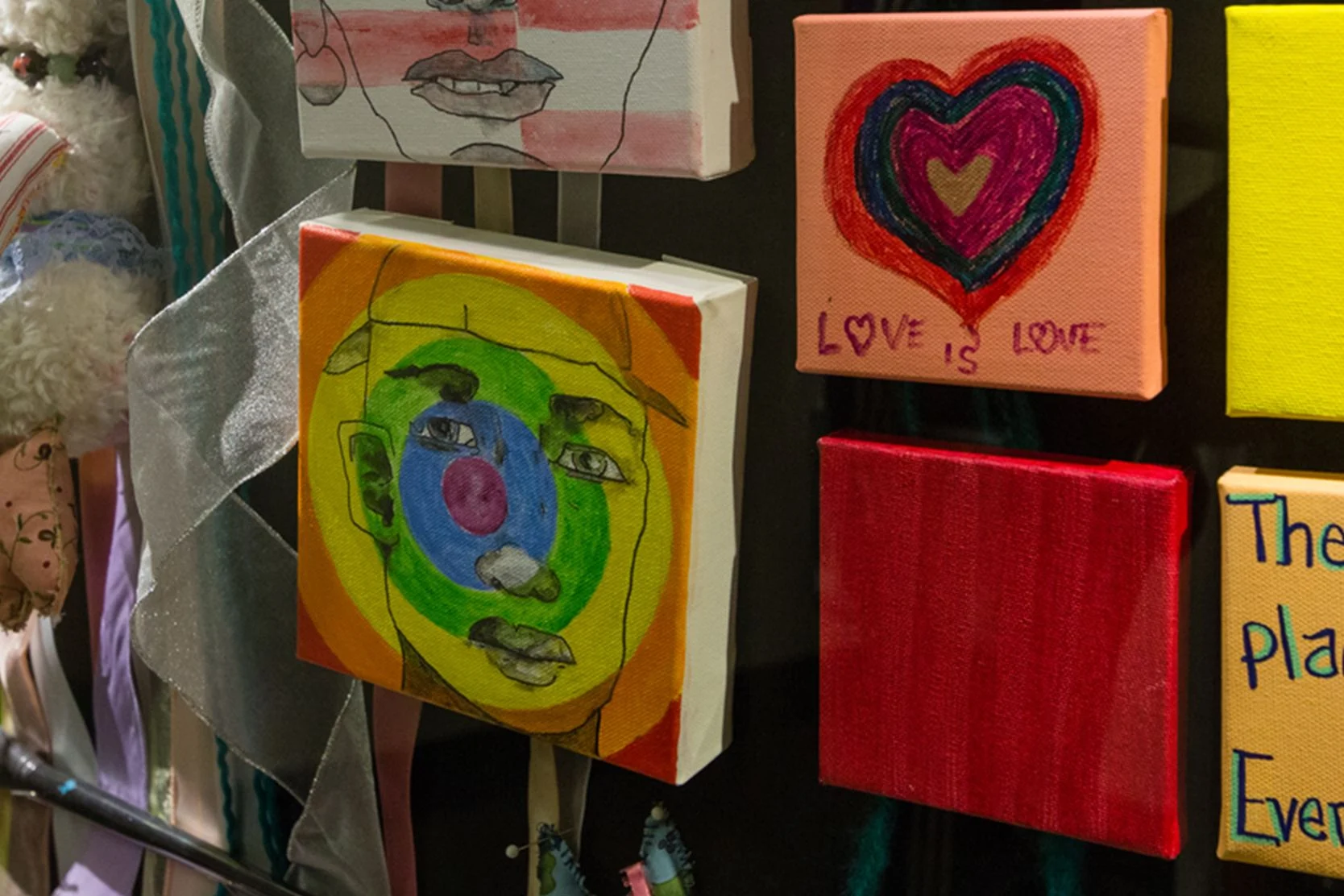
Art for Recovery
Creativity can help people with serious illnesses cope, heal and express what they're going through. Find out about our program and how to join.
Oncology Social Work
Social workers offer support, problem-solving, help accessing UCSF cancer-related resources and more. Find out how to contact the social worker for your clinic.
Patient & Family Cancer Resource Center
The center offers wellness programming, community, support groups, classes, workshops and more at no cost to people facing cancer and their loved ones.
Peer Support Programs for Cancer
PeerTalk connects interested cancer patients with cancer survivors who can share their own experience to provide emotional and practical support.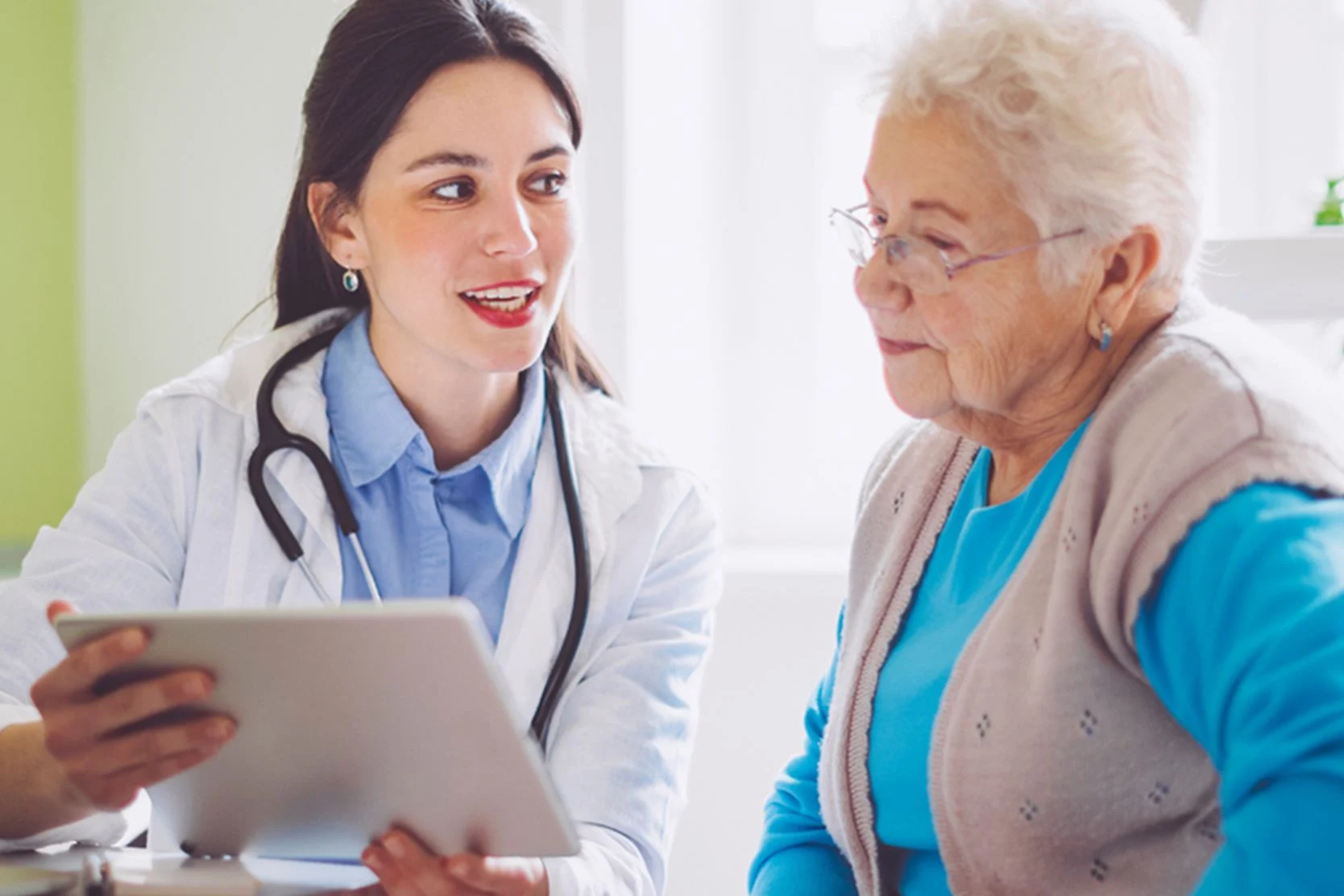
UCSF Patient Support Corps
Receiving a breast cancer diagnosis is stressful. Get guidance, support and answers to your questions here as you consider your options and make decisions.
Yoga Classes
Relax, stretch, breathe deeply and reduce stress, pain and anxiety with laughter yoga and other free yoga classes.
Cancer Exercise Counseling
Our one-on-one exercise training sessions, customized for your needs and abilities, can complement other cancer treatments and speed your recovery.
Cancer Nutrition Counseling
UCSF Health offers free nutrition counseling to our patients with cancer, as well as nutrition seminars that are open to anyone. Learn more.
Core and More Class for Cancer Patients
A strong body helps you fight cancer and enjoy life. Join this class to stabilize your core, strengthen your muscles and improve overall fitness. For cancer patients and caregivers!
Friend to Friend Specialty Shops
A one-stop boutique for patients with cancer. Get professional help with wigs, prostheses, sun-protective clothing, makeup, skin care and more.
Kôz Hospitality House
Kôz Hospitality House provides comfortable, reasonably priced accommodations near our Parnassus campus for UCSF patients during their treatment.
Meditation and Guided Imagery for Cancer Patients
Drop in for a free class designed to help you heal, relax and find balance during your treatment. UCSF and non-UCSF patients are welcome.
Neuro-Oncology Caregiver Program
If you're caring for someone with a brain tumor, our program can help with guidance, information, resources and support at this difficult time. Find out more.
UCSF Health medical specialists have reviewed this information. It is for educational purposes only and is not intended to replace the advice of your doctor or other health care provider. We encourage you to discuss any questions or concerns you may have with your provider.