

Cardio-Oncology & Immunology
On this page
Why choose UCSF Health for heart care during and after cancer treatment?
Advances in cancer treatment have dramatically improved long-term survival for people with cancer. Unfortunately, many therapies that destroy cancer cells can also damage your heart and blood vessels, an effect called cardiotoxicity.
Some treatments, such as chemotherapy and radiation therapy, affect your heart directly. Other treatments can change how your immune system and metabolism work, which can indirectly affect your heart.
Our program is dedicated to preventing and managing the cardiovascular side effects of cancer treatment. Our diverse team of doctors and researchers specializes in cardio-oncology and cardio-immunology, helping patients and survivors achieve better heart health and quality of life.
Why choose UCSF Health for heart care during and after cancer treatment?
Advances in cancer treatment have dramatically improved long-term survival for people with cancer. Unfortunately, many therapies that destroy cancer cells can also damage your heart and blood vessels, an effect called cardiotoxicity.
Some treatments, such as chemotherapy and radiation therapy, affect your heart directly. Other treatments can change how your immune system and metabolism work, which can indirectly affect your heart.
Our program is dedicated to preventing and managing the cardiovascular side effects of cancer treatment. Our diverse team of doctors and researchers specializes in cardio-oncology and cardio-immunology, helping patients and survivors achieve better heart health and quality of life.
Collaborative approach
Cardiologists, oncologists and immunologists at UCSF Health work together to provide the safest possible care at every stage of cancer treatment.Specialized expertise
We offer programs dedicated to complex conditions, such as myocarditis, pericarditis and clonal hematopoiesis of indeterminate potential (CHIP).Cardio-oncology leaders
We develop new treatments through research and clinical trials. Our patients are often among the first to benefit from emerging therapies.National recognition
UCSF Health is ranked among the best in the country for cancer care, cardiology and heart failure care, according to U.S. News & World Report.
How we prevent and manage heart damage from cancer treatment
Experts at UCSF Health provide education, assessments and preventive care for all types of heart damage related to cancer treatment. We care for people who are newly diagnosed with cancer, those currently in treatment and cancer survivors.
Our team also provides specialized care for people with existing heart conditions, such as heart failure or atrial fibrillation, who need cancer treatment.
Understanding cancer treatment and heart risks
Cancer treatments can damage your heart and blood vessels in several ways:
Chemotherapy can weaken your heart muscle and cause pumping problems, which may lead to heart failure or arrhythmias (abnormal heart rhythm).
Radiation therapy to your chest increases the likelihood of heart valve problems and coronary artery disease due to cardiac fibrosis (thickened heart tissue).
Immunotherapy triggers your immune system to fight cancer, but increases the risk of inflammatory heart diseases, such as myocarditis.
Targeted therapy can cause metabolic changes throughout your body and increase the risk of diabetes or high cholesterol, which can lead to heart problems.
Heart health risk assessment
We evaluate your heart health before, during and after cancer treatment, which helps us spot problems as early as possible. When possible, we identify and modify any preexisting risk factors that could increase your likelihood of cardiovascular complications.
Risk factors include:
High blood pressure or cholesterol
Smoking
Obesity
Family history of heart disease
Diabetes
Cardiotoxicity prevention and treatment
We use many strategies to protect your heart during and after cancer treatment. Our team creates a personalized plan based on your risk factors and the type of cancer treatment you need.
We may recommend:
Medications. Help manage blood pressure, cholesterol or diabetes.
Lifestyle modifications. May include eating a healthy diet, more exercise or smoking cessation.
Active surveillance. Monitors your heart using cardiac testing such as echocardiography or electrocardiography.
Specialized cardio-oncology and cardio-immunology programs
UCSF Health offers specialized care for a range of heart conditions and diseases related to cancer treatment, including:
Carcinoid heart disease. Neuroendocrine tumors can release hormones that affect your heart valves, possibly leading to heart failure. At UCSF Health, our cardiologists, oncologists and heart surgeons work together to provide comprehensive treatment for patients with carcinoid heart disease.
Cardiac amyloidosis. Cardiac amyloidosis is a buildup of proteins in your heart that makes pumping blood difficult. Sometimes it's the result of certain blood cancers. Our experts have been instrumental in developing guidelines to diagnose, treat and monitor people with this condition.
Clonal hematopoiesis of indeterminate potential (CHIP). CHIP is a condition where genes in blood cells change (mutate) over time. CHIP increases your risk for cardiovascular disease (CVD) and certain blood cancers. Our CHIP-CVD specialists provide comprehensive diagnostic testing and treatment for patients with this mutation.
Myocarditis and pericarditis. Immune checkpoint inhibitors, a type of immunotherapy treatment, can cause myocarditis (inflammation of the heart muscle) and pericarditis (inflammation of the membrane surrounding the heart). We are at the forefront of research to better understand and care for cardiac complications related to immunotherapies.
Cancer survivorship and wellness
We focus on promoting cardiovascular health and whole-person wellness in cancer survivors. Our survivorship program offers symptom management, counseling, support groups and other resources to help you thrive after cancer treatment.
Locations
Providers

Alan H. Baik, MD
Cardiology • Cardiology (Cardio-Oncology)
Javid Moslehi, MD
Cardiology (Cardio-Oncology) • Cardiology
Amy Erica Lin, MD, PhD
Cardiology (Cardio-Oncology) • Cardiology
Mandar A. Aras, MD, PhD
Cardiology (Cardio-Oncology) • Cardiology (Heart Failure and Transplant)
Excellence in patient care
One of the nation's best for heart & vascular care
Among the top hospitals in the nation
Related conditions & treatments
Conditions
- Amyloidosis
- Aortic Valve Disease
- Arrhythmia
- Arterial Thrombus
- Atrial Fibrillation
- Autoimmune Pericarditis
- Blood Cancer
- Carcinoid Syndrome
- Chronic Thromboembolic Pulmonary Hypertension
Treatments
- Three-Dimensional Conformal Radiation Therapy
- Immunotherapy
- Chemotherapy
- Echocardiography
Cancer Immunotherapy Toxicity Evaluation (CITE) Program
Support services
UCSF Patient Support Corps
Receiving a breast cancer diagnosis is stressful. Get guidance, support and answers to your questions here as you consider your options and make decisions.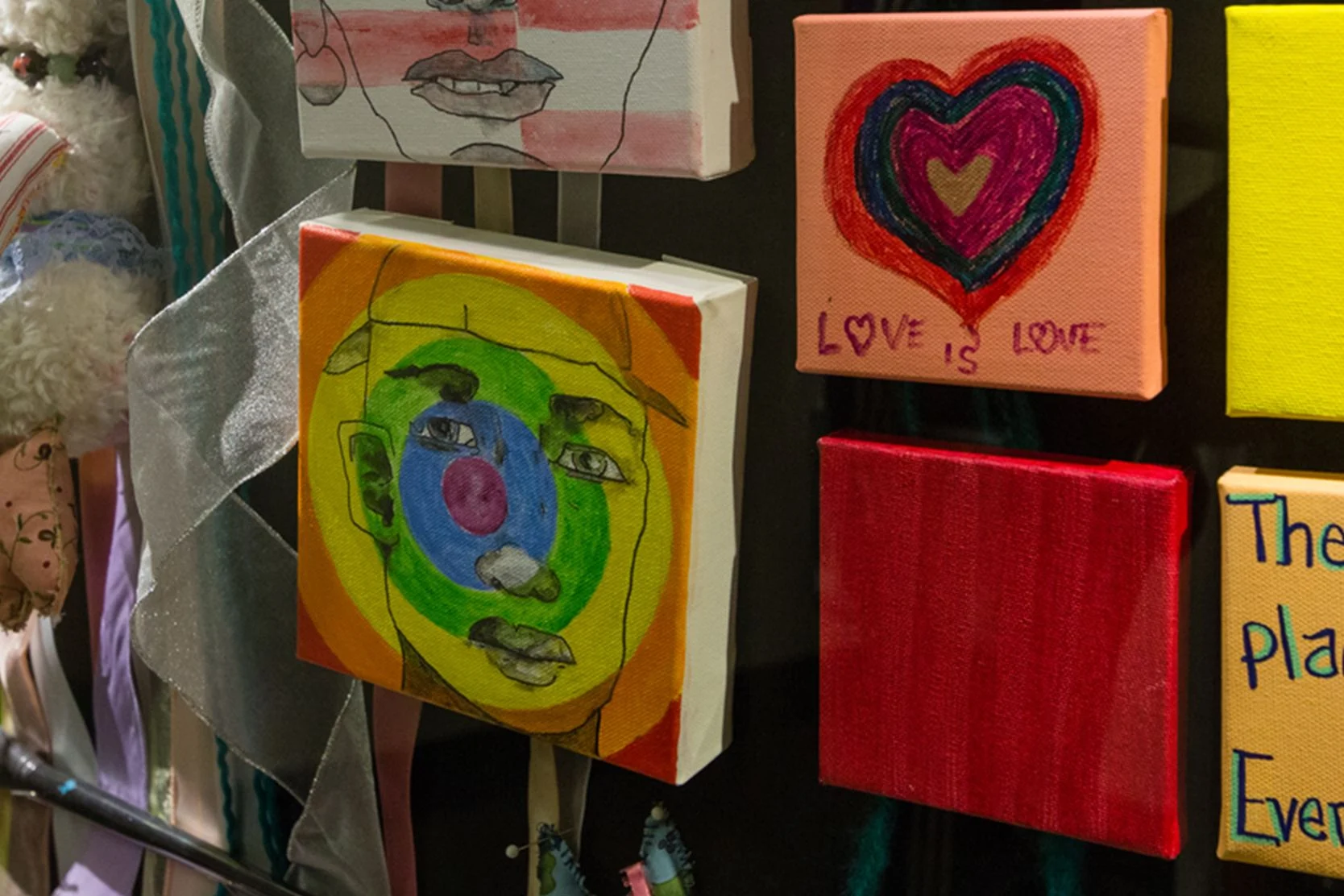
Art for Recovery
Creativity can help people with serious illnesses cope, heal and express what they're going through. Find out about our program and how to join.
Cancer Exercise Counseling
Our one-on-one exercise training sessions, customized for your needs and abilities, can complement other cancer treatments and speed your recovery.
Cancer Support Groups
These groups offered by the Ida and Joseph Friend Patient and Family Cancer Resource Center are free and available to all patients, whether or not you get your health care at UCSF.
Core and More Class for Cancer Patients
A strong body helps you fight cancer and enjoy life. Join this class to stabilize your core, strengthen your muscles and improve overall fitness. For cancer patients and caregivers!
Friend to Friend Specialty Shops
A one-stop boutique for patients with cancer. Get professional help with wigs, prostheses, sun-protective clothing, makeup, skin care and more.
Meditation and Guided Imagery for Cancer Patients
Drop in for a free class designed to help you heal, relax and find balance during your treatment. UCSF and non-UCSF patients are welcome.
Oncology Social Work
Social workers offer support, problem-solving, help accessing UCSF cancer-related resources and more. Find out how to contact the social worker for your clinic.
Patient & Family Cancer Resource Center
The center offers wellness programming, community, support groups, classes, workshops and more at no cost to people facing cancer and their loved ones.
Peer Support Programs for Cancer
PeerTalk connects interested cancer patients with cancer survivors who can share their own experience to provide emotional and practical support.