

Movement Disorders
On this page
Why choose UCSF Health for movement disorder treatment?
We care for people with conditions affecting how the body moves. Our expert team treats Parkinson’s disease, essential tremor and other complex movement conditions with skill and compassion. We take time to understand your experience and symptoms and create a care plan that fits your needs.
At UCSF Health, specialists from many fields work together to offer complete care. Our team includes neurologists, neurosurgeons, physical therapists, neuropsychologists, radiologists and nurses with specialized training in movement disorders. From diagnosis to advanced treatments such as deep brain stimulation, we support you and your family through every stage.
Why choose UCSF Health for movement disorder treatment?
We care for people with conditions affecting how the body moves. Our expert team treats Parkinson’s disease, essential tremor and other complex movement conditions with skill and compassion. We take time to understand your experience and symptoms and create a care plan that fits your needs.
At UCSF Health, specialists from many fields work together to offer complete care. Our team includes neurologists, neurosurgeons, physical therapists, neuropsychologists, radiologists and nurses with specialized training in movement disorders. From diagnosis to advanced treatments such as deep brain stimulation, we support you and your family through every stage.
Convenient appointments
Our Bay Area locations offer in-office or telehealth follow-up appointments you can do from home.Treatment for a range of movement disorders
We treat Parkinson's disease, tremor, progressive supranuclear palsy (PSP), multiple system atrophy (MSA), ataxia, Huntington's disease, dystonia and other related conditions.Team care approach
Neurologists, neurosurgeons, neuropsychologists, psychiatrists, researchers, social workers and other providers work together to provide comprehensive care.Advanced treatments
We offer deep brain stimulation, dopaminergic infusion therapies, focused ultrasound for tremor and botulinum toxin (Botox) injections.
Personalized care for movement disorders
Movement disorders affect many parts of your body and many aspects of your health. At UCSF Health, you receive a comprehensive, personalized care plan from a team of experts.
Our services include:
Thorough evaluation
A team of providers conducts neurological assessments, as well as cognitive testing when necessary. We get to know you and your unique symptoms and needs. Then, we work with you and your family to create a tailored treatment plan.
Leading-edge treatments
In addition to the latest medications, we offer advanced surgical therapies for movement disorders, including:
- Deep brain stimulation (DBS). A DBS device works like a pacemaker for the brain, blocking abnormal brain activity that causes movement problems. Deep brain stimulation can relieve symptoms of Parkinson’s disease, dystonia and essential tremor.
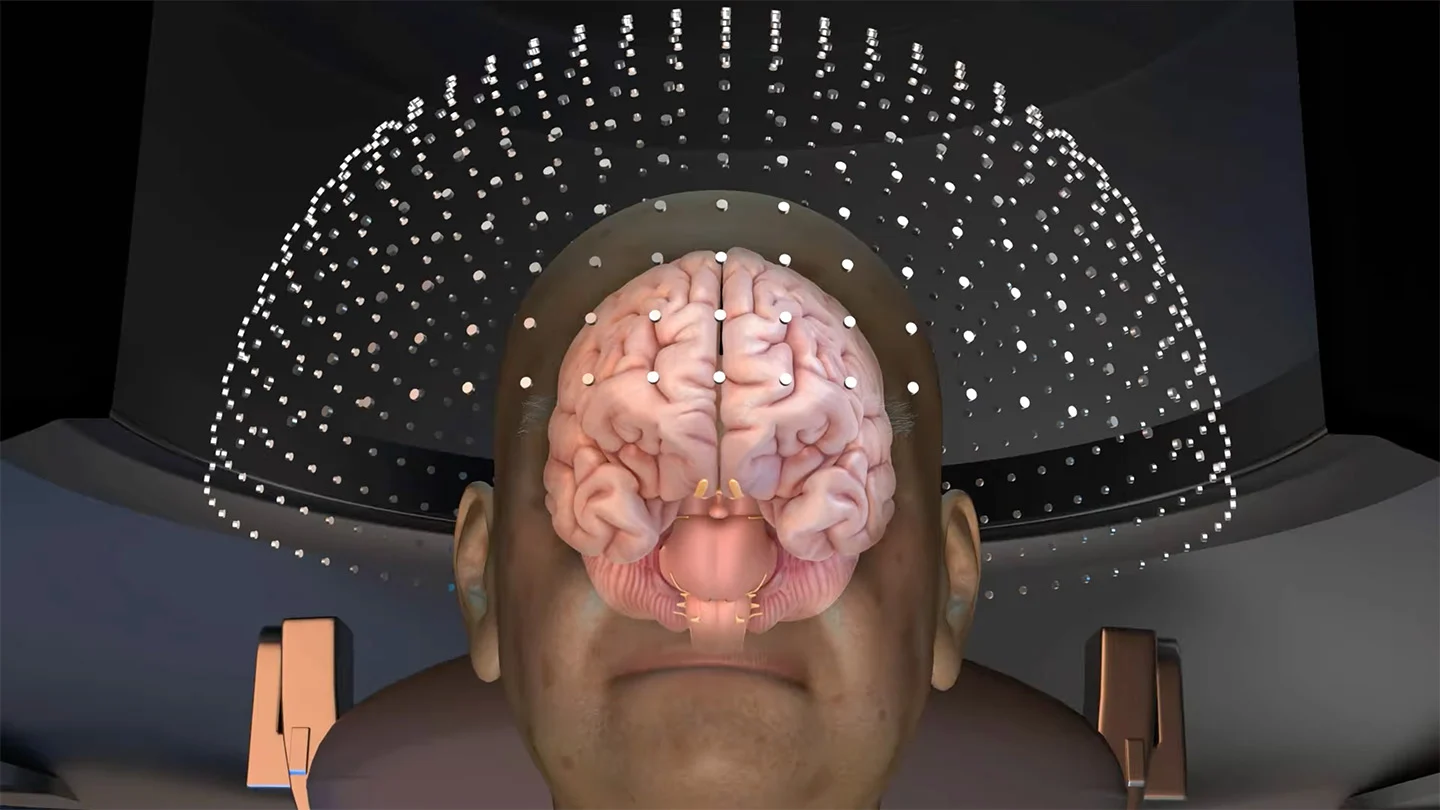
- Focused ultrasound. This is a minimally invasive, incision-free outpatient treatment for essential tremor. Focused ultrasound for tremor uses high-intensity sound waves, targeting the part of the brain causing the tremor. It is an effective treatment with results that can last years.
Compassionate support
We're here to support your complete well-being, including mental health. Our team includes neuropsychologists who specialize in the relationship between the brain, emotions and behaviors. Social workers and psychiatrists provide help and support to you and your family. We also have caregiver resources and free neurology and memory and aging support groups.
Leading-edge research
We participate in research to find new, more effective therapies for movement disorders. There is currently no cure for Parkinson’s disease, but our team is actively involved in research to find one.
Locations
Providers

Ethan G. Brown, MD
Neurology • Neurology (Movement Disorders)
Rafael Zuzuarregui, MD
Neurology • Neurology (Movement Disorders)
Marta San Luciano Palenzuela, MD
Neurology (Movement Disorders) • Pediatric Neurology
Ken Nakamura, MD, PhD
Neurology • Neurology (Movement Disorders)
Nationally recognized neurology care

Among the top hospitals in the nation
Best in the West and No. 3 in the nation for neurology & neurosurgery
Parkinson’s Foundation center of excellence
National Ataxia Foundation center of excellence
CurePSP center of care
Two paths to tremor relief
Related conditions & treatments
Conditions
- Ataxia
- Dystonia
- Essential Tremor
- Huntington's Disease
- Multiple System Atrophy
- Parkinson's Disease
- Progressive Supranuclear Palsy
Treatments
- Parkinson's Disease Medical Management
- Deep Brain Stimulation
- Focused Ultrasound for Tremor
Clinical trials
Parkinson Progression Marker Initiative Online (PPMI Online)Opens in a new window
Evaluates self-reported motor and nonmotor Parkinson's disease symptomsPPMI Clinical - Establishing a Deeply Phenotyped PD CohortOpens in a new window
This protocol will build on the existing PPMI infrastructureUnderstanding Motivation in Parkinson's Patients Through NeurophysiologyOpens in a new window
Patients' responses on the tablet will be recorded in-clinic and at home. The investigators will tally their choices from the value-based decision making game (risky versus safe decisions) and report an average of risky responses.Study in Parkinson Disease of ExerciseOpens in a new window
Change from baseline in the Movement Disorders Society-Unified Parkinson Disease Rating Scale motor score (Part III). The minimum score on the MDS-UPDRS Part III is 0 and the maximum is 132 with higher scores representing worse mo...Parkinson's Foundation PD GENEration Genetic RegistryOpens in a new window
Identify people with Parkinson's who have genetic mutations to advance basic science and clinical research.Model-based Electrical Brain StimulationOpens in a new window
A personalized decoder is trained for each patient using the recorded neural activity and self-reports. Then this decoder is used to estimate the biomarker purely from neural activity; that is, based on neural activity, it will re...Exercise for Cognitive Excellence in Parkinson's DiseaseOpens in a new window
The overall average percent HR max will be compared to the target percent HR max (80-85 percent).
Research initiatives
UCSF Department of Neurology ResearchOpens in a new window
The UCSF Department of Neurology conducts research to improve understanding of neurological disorders, with the goals of finding better treatments and methods of prevention.UCSF Movement Disorders and Neuromodulation Center ResearchOpens in a new window
The UCSF Movement Disorders and Neuromodulation Center is active in research to improve the understanding and treatment of movement disorders.
Patient stories
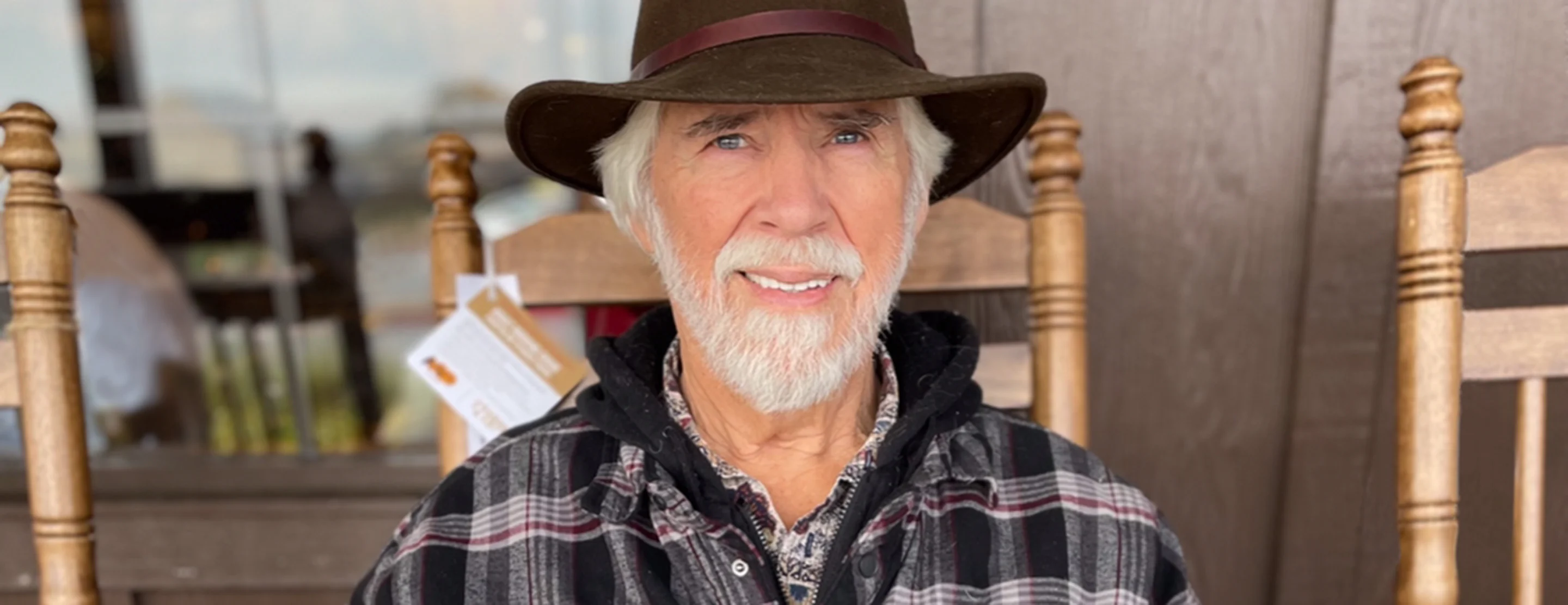
“I ended up calling UCSF and hit the jackpot. It’s been a life-changing experience.”
Support services
Case Management and Social Work
Connect with a team that can help you find resources, solve problems and advocate for you during treatment at UCSF.
Memory & Aging Disorders Support Groups
Find support for caregivers, families and patients dealing with dementia, early-onset Alzheimer's, Huntington's disease and more.
Mindfulness-Based Stress Reduction Class
This eight-week class teaches mindfulness practices that can reduce stress and improve your overall health, such as meditation and body awareness.
Neurology Support Groups
Find support for caregivers, families and patients dealing with aneurysm and AVM disorders, Parkinson's, MS and other neurological disorders.
Patient Relations
We welcome feedback about your experience at UCSF Health. Find out how to contact us with comments, questions or concerns.
Spiritual Care at UCSF
Chaplains representing many faiths are available around the clock to provide support, comfort and counsel to patients, families and caregivers.