
Navigating Breast Care: I Am Newly Diagnosed With Breast Cancer
Receiving a breast cancer diagnosis means also receiving a great deal of information. We know it's a lot to absorb at once, but our team at the UCSF Breast Care Center is here to help you navigate the entire process.
Below, we've gathered the information you're most likely to need at this stage.
How to get care at the UCSF Breast Care Center
If you were diagnosed at the UCSF Breast Care Center, you will be referred directly to one of our breast surgeons.
If you were diagnosed elsewhere (including within another UCSF department), please contact the Breast Care Center directly to make an appointment.
You will need to provide the following records:
- All breast pathology reports, including results on tumor biomarkers (estrogen, progesterone, Her2/neu receptor status)
- All breast imaging reports (mammogram, ultrasound, MRI)
- Any genetic testing results
These can usually be obtained from the facility where you currently receive care.
We aim to see patients with a new breast cancer diagnosis within one week. The sooner we get your records, the sooner we can meet with you.
What to expect at a new patient appointment
Most newly diagnosed patients meet with a breast surgeon first. During this visit, the surgeon will go over the details of your cancer diagnosis, present treatment options and place referrals to other health care providers.
Here are some topics you're likely to discuss:
- Pathology results. Breast cancer is not one disease – every cancer is different, every patient is different. Your biopsy results provide information on the biological characteristics of your tumor, which helps the team design a treatment plan that will give you the best possible outcome.
- The type and order of treatments you'll have. Most breast cancer patients receive both local treatments (which target a specific area, such as the tumor) and systemic therapies (which affect cells throughout the body). Local therapies include surgery and radiation therapy. Systemic therapies include hormone therapy, chemotherapy and biological therapy.
- Surgical options. If your treatment plan includes surgery, we may discuss whether you're a candidate for a lumpectomy, which preserves as much healthy breast tissue as possible, or would be better served by a mastectomy (removal of all breast tissue). We'll also go over your options for breast reconstruction.
- Clinical trials. Along with leading-edge treatments, we offer access to promising experimental therapies through numerous clinical trials. Learn how clinical trials work, and explore a database of breast cancer clinical trials available at UCSF. If you're interested in participating in a clinical trial, the care team will provide more information.
- Additional assessments and next steps. The surgeon will describe any further testing you need and place referrals to other specialists, such as a medical oncologist or a plastic and reconstructive surgeon. We can also give you information about cold caps, devices that reduce hair loss caused by some types of chemotherapy.
Navigating your path

Navigating Breast Care: I Am at High Risk for Breast Cancer
Learn how UCSF Health provides comprehensive prevention, education and clinical trials for people at high risk for developing breast cancer.
Navigating Breast Care: I Have a Breast Cancer Symptom or Abnormal Imaging
An abnormal mammogram or breast lump can be stressful. Get help from our programs, resources and educational materials.
Navigating Breast Care: I Am in Follow-Up Care for Breast Cancer
Access breast cancer recovery resources, including follow-up care, support groups and educational materials.
Navigating Breast Care
No matter what kind of breast care you need, you can find resources and guidance to support your breast health.
Caregiver resources
Self-Care for Caregivers
Caregiver fatigue can be brought on by the physical and emotional demands of caring for a loved one with a serious illness. Learn tips to combat caregiver fatigue here.
Recommended reading

Breast Cancer Glossary
This comprehensive glossary of breast cancer terminology includes helpful definitions of everything from AC chemotherapy to X-ray.
Breast Cancer Self-Care and Recovery: Lifestyle Changes
Understand how self-care can help you feel better while recovering from breast cancer and what lifestyle changes may be right for you.
Nutrition and Breast Cancer
How should we eat to support breast health? Explore the answers and get practical diet guidelines that support your body and give it the nutrients it needs.
Cancer support services

Cancer Exercise Counseling
Our one-on-one exercise training sessions, customized for your needs and abilities, can complement other cancer treatments and speed your recovery.
Cancer Nutrition Counseling
UCSF Health offers free nutrition counseling to our patients with cancer, as well as nutrition seminars that are open to anyone. Learn more.
Oncology Social Work
Social workers offer support, problem-solving, help accessing UCSF cancer-related resources and more. Find out how to contact the social worker for your clinic.
Patient & Family Cancer Resource Center
The center offers wellness programming, community, support groups, classes, workshops and more at no cost to people facing cancer and their loved ones.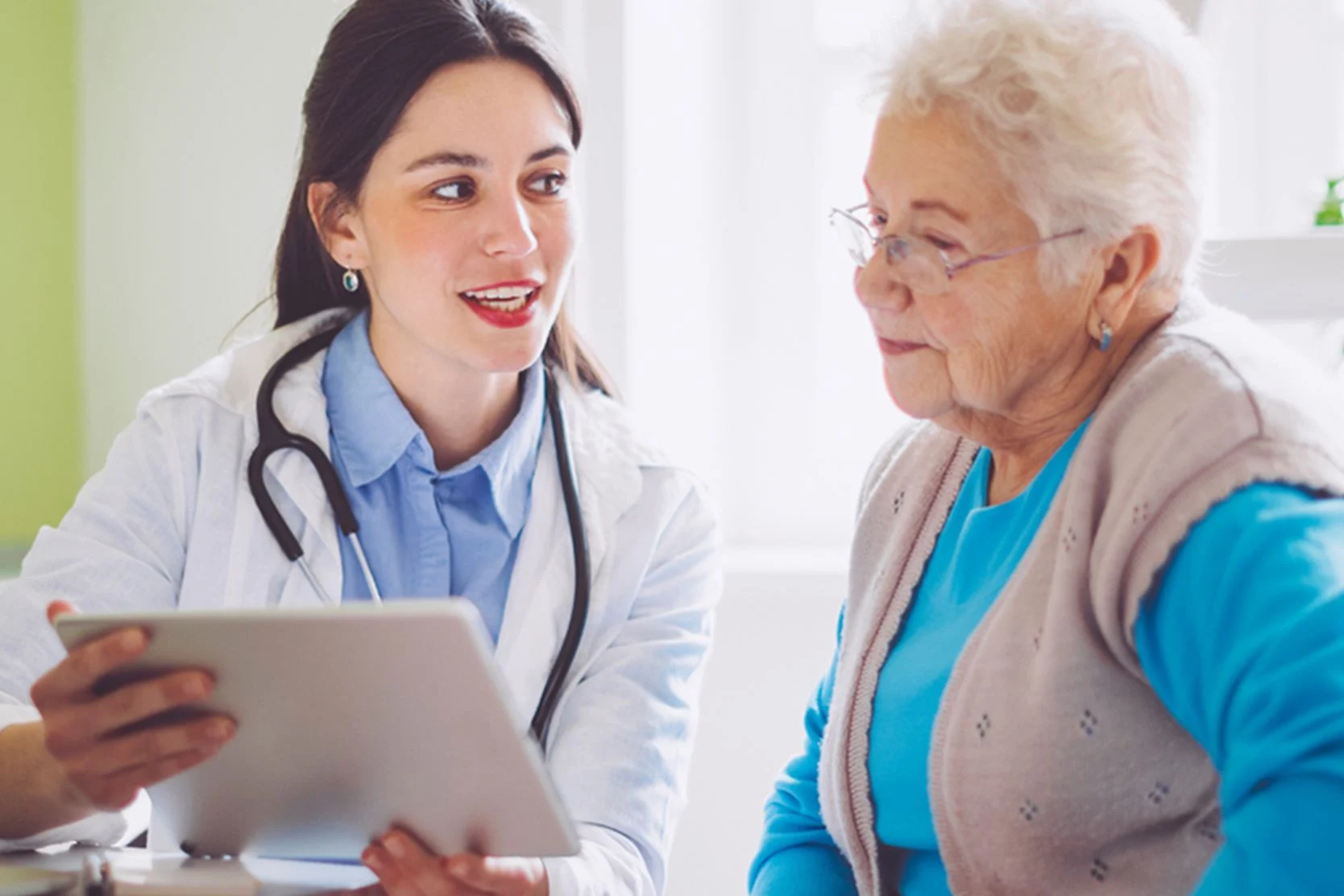
UCSF Patient Support Corps
Receiving a breast cancer diagnosis is stressful. Get guidance, support and answers to your questions here as you consider your options and make decisions.
UCSF Health medical specialists have reviewed this information. It is for educational purposes only and is not intended to replace the advice of your doctor or other health care provider. We encourage you to discuss any questions or concerns you may have with your provider.