
Peer Support Programs for Cancer

UCSF Health offers peer support programs for patients receiving cancer care and patients receiving brain tumor care.
PeerTalk: Peer support for patients with cancer
UCSF PeerTalk connects interested patients with volunteer peer mentors – fellow patients who've been through cancer care at UCSF Health and understand what new patients are going through. Peer mentors share their experiences, provide information and offer confidential support to meet emotional as well as practical needs. They don't, however, give medical advice.
PeerTalk is offered through the Ida & Joseph Friend Patient and Family Cancer Support Center.
Talk to someone who's been there
When you sign up for PeerTalk, we'll match you with a mentor who had the same diagnosis, went through the same type of treatment, or has similar life circumstances – such as having young children at home or sharing an interest in integrative care. You don't need to be a UCSF Health patient to be matched with a peer mentor. Everyone is welcome. There's no cost to participate. Mentors and patients connect virtually through our dedicated platform or over Zoom.
Become a peer mentor
Now that you've been there, you can help someone else by joining our community of peer mentors. Volunteering as a peer mentor is a rewarding way of giving back.
Peer mentors support patients by sharing their experience, providing a listening ear, and offering information about UCSF Health programs and resources.
To become a peer mentor, you need to:
- Have been treated at UCSF Health for cancer care
- Be six or more months past your diagnosis
- Attend a two-hour peer mentor training via Zoom
Sign up for PeerTalk
PeerTalk will launch very soon. Until then, you can connect with our current Peer Support program. To learn more about PeerTalk, email [email protected] or call 415-885-3693 and select option 3.
Peer support for brain tumor patients and caregivers
UCSF Health also offers peer support programs specifically for patients with brain tumors and their caregivers.
Neuro-Oncology Survivors' Peer Support Program for Patients
Our trained volunteers – all brain cancer survivors – are available to connect by phone to listen to your concerns, share their experiences and provide confidential emotional and informational support. We match you with a peer mentor who had the same type of brain tumor and, when possible, according to what you say is important to you – such as age, gender or life circumstances.
Neuro-Oncology Caregiver Connection Program
A brain tumor diagnosis impacts the patient's family and other loved ones. This program connects you with spouses and family members who know what it's like to care for a patient undergoing care for a brain tumor and who can share resources and coping strategies. When possible, we try to match you with a caregiver by tumor type, treatment, age and family situation so that you can talk to someone who best understands the particular issues you’re facing.
Support services
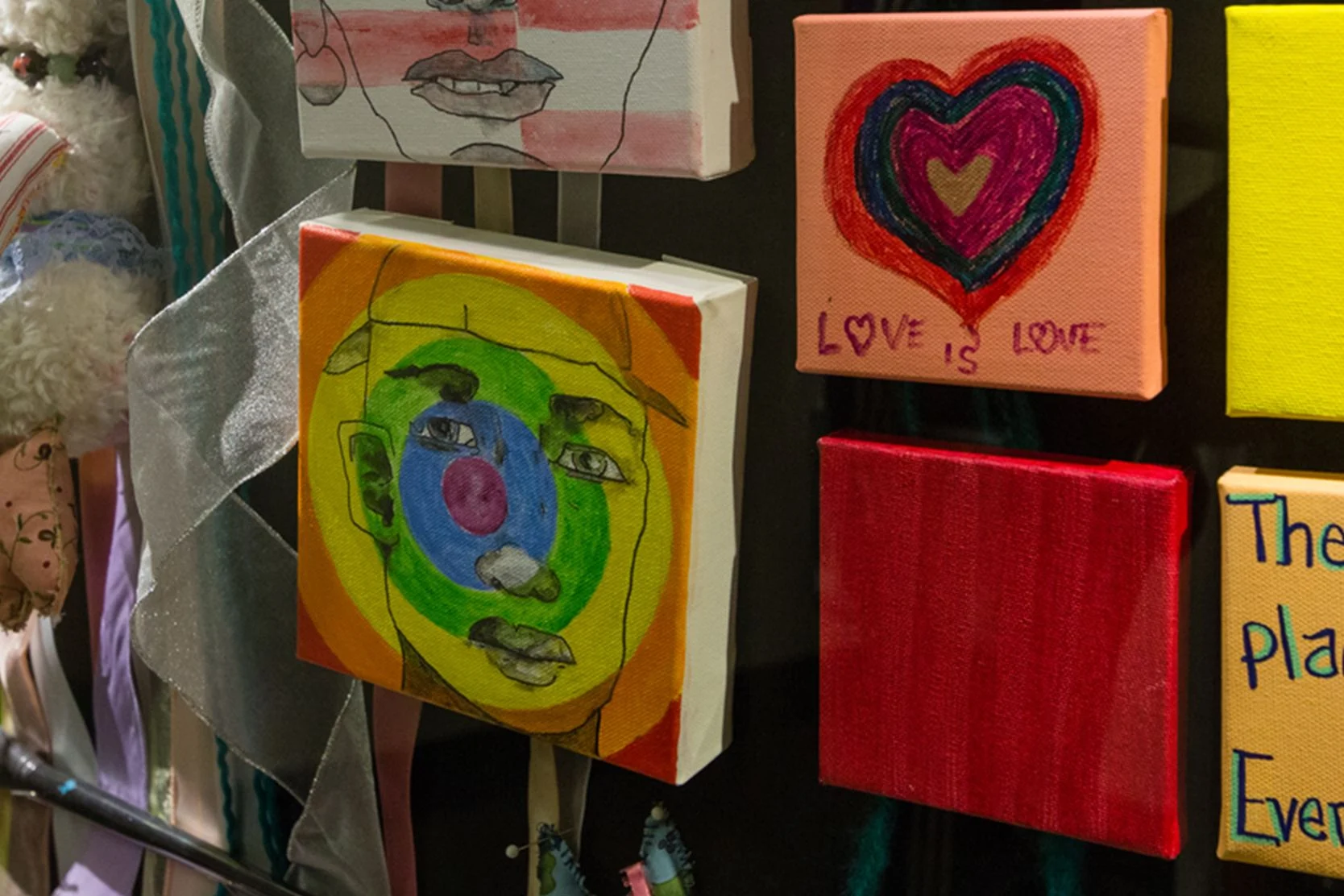
Art for Recovery
Creativity can help people with serious illnesses cope, heal and express what they're going through. Find out about our program and how to join.
Cancer Exercise Counseling
Our one-on-one exercise training sessions, customized for your needs and abilities, can complement other cancer treatments and speed your recovery.
Cancer Nutrition Counseling
UCSF Health offers free nutrition counseling to our patients with cancer, as well as nutrition seminars that are open to anyone. Learn more.
Core and More Class for Cancer Patients
A strong body helps you fight cancer and enjoy life. Join this class to stabilize your core, strengthen your muscles and improve overall fitness. For cancer patients and caregivers!
Friend to Friend Specialty Shops
A one-stop boutique for patients with cancer. Get professional help with wigs, prostheses, sun-protective clothing, makeup, skin care and more.
Kôz Hospitality House
Kôz Hospitality House provides comfortable, reasonably priced accommodations near our Parnassus campus for UCSF patients during their treatment.
Meditation and Guided Imagery for Cancer Patients
Drop in for a free class designed to help you heal, relax and find balance during your treatment. UCSF and non-UCSF patients are welcome.
Neuro-Oncology Caregiver Program
If you're caring for someone with a brain tumor, our program can help with guidance, information, resources and support at this difficult time. Find out more.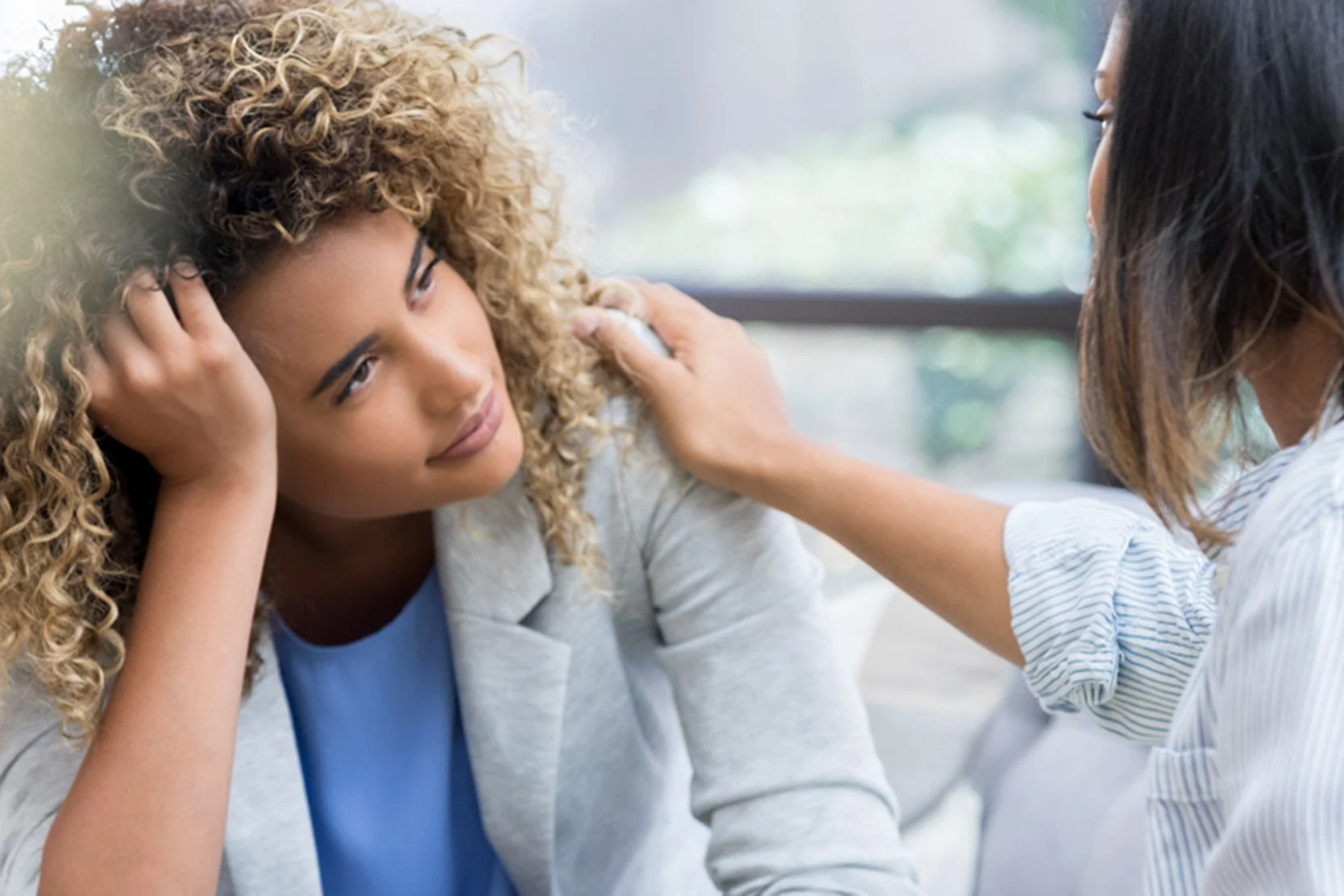
Oncology Social Work
Social workers offer support, problem-solving, help accessing UCSF cancer-related resources and more. Find out how to contact the social worker for your clinic.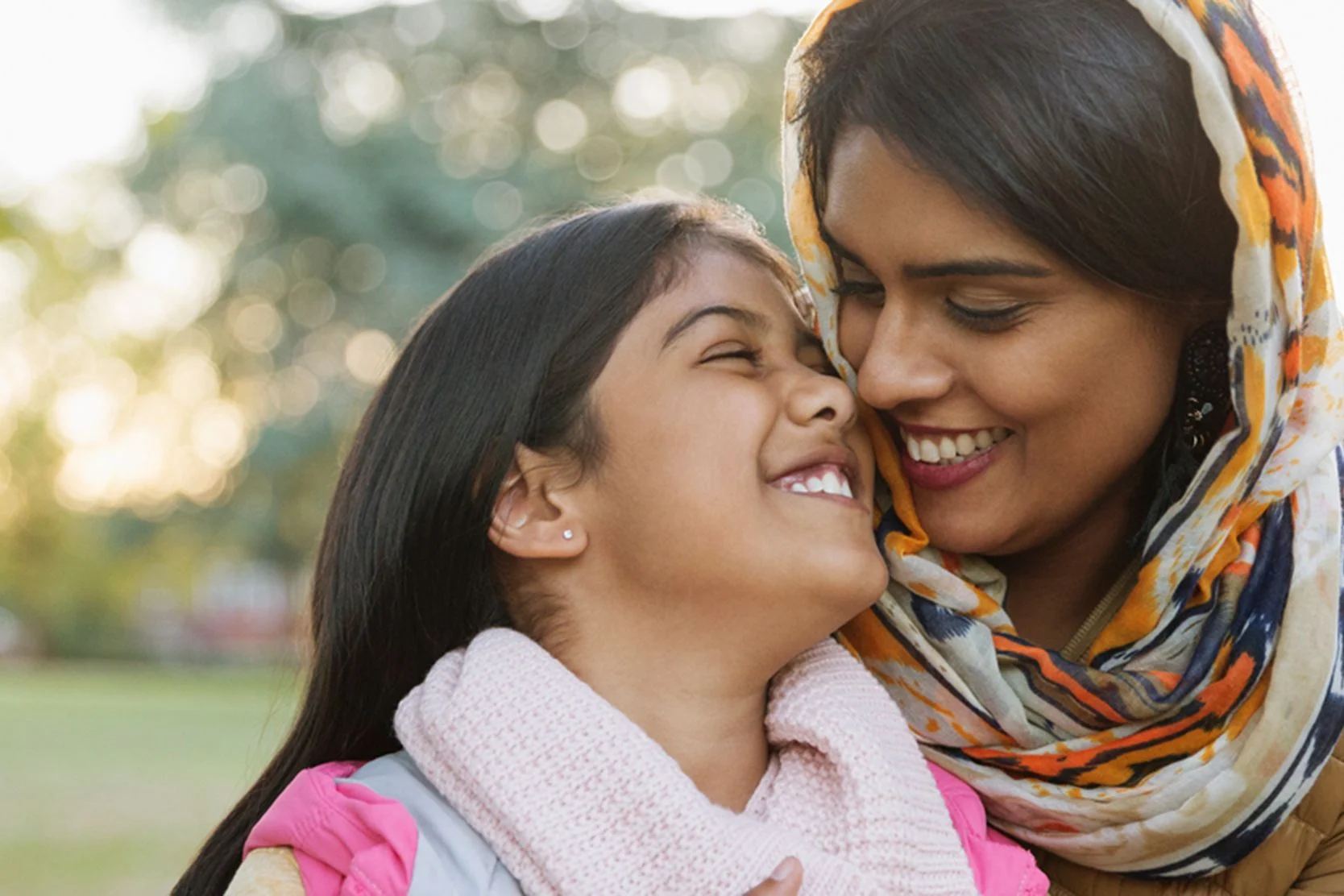
Patient & Family Cancer Support Center
The center offers wellness programming, community, support groups, classes, workshops and more at no cost to people facing cancer and their loved ones.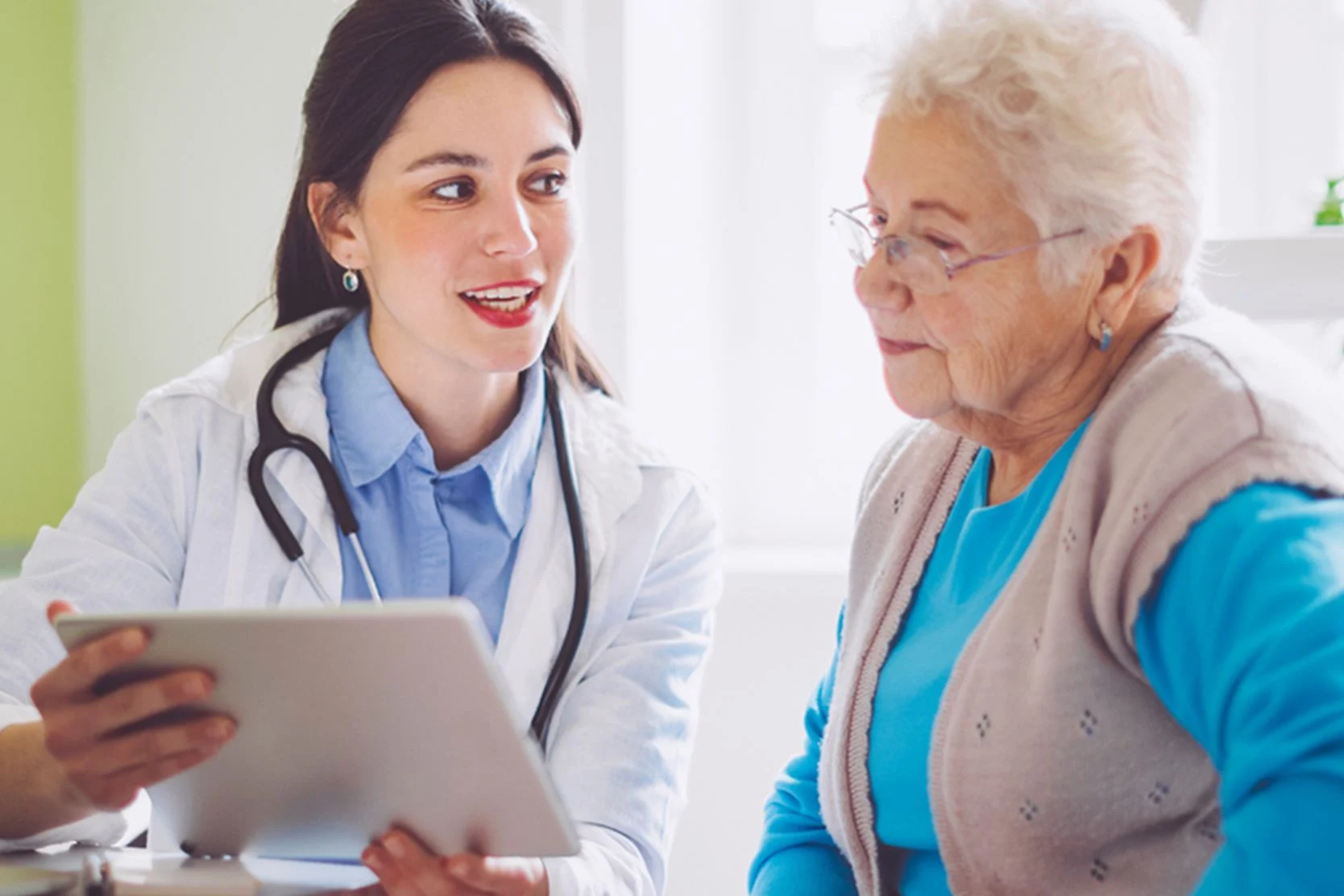
UCSF Patient Support Corps
Receiving a breast cancer diagnosis is stressful. Get guidance, support and answers to your questions here as you consider your options and make decisions.