

Orthopedic Surgical Oncology
On this page
Why choose UCSF Health for musculoskeletal cancer care?
UCSF Health sarcoma experts provide comprehensive care for all types of benign (noncancerous) and malignant (cancerous) bone and soft tissue tumors. Our orthopedic surgeons have advanced training in orthopedic oncology. They perform close to 500 procedures each year, making us one of the most experienced programs in the Bay Area.
Why choose UCSF Health for musculoskeletal cancer care?
UCSF Health sarcoma experts provide comprehensive care for all types of benign (noncancerous) and malignant (cancerous) bone and soft tissue tumors. Our orthopedic surgeons have advanced training in orthopedic oncology. They perform close to 500 procedures each year, making us one of the most experienced programs in the Bay Area.
Collaborative approach
Surgeons, radiation and medical oncologists, radiologists and pathologists hold weekly tumor board meetings to develop individualized treatment plans.Advanced procedures and prosthetics
We use innovative limb-sparing surgical techniques and offer leading-edge prosthetic technology to support people with amputations.Sarcoma research
We conduct research and clinical trials of promising new sarcoma treatments with the goal of improving survival for people with advanced cancer.National recognition
UCSF Health consistently ranks among the top hospitals in the nation for cancer care and orthopedics, according to U.S. News & World Report.
Our areas of expertise in orthopedic cancer surgery
At UCSF Health, our musculoskeletal surgical oncologists are experts in limb-salvage procedures and specialized amputations. We also treat musculoskeletal problems, such as fractures, pain and mobility issues caused by sarcomas, as well as cancer that has spread to bones (metastatic bone diseases).
Our team helps patients and families understand their treatment options and what to expect before, during and after surgery. We also offer comprehensive support services to aid your recovery, from physical rehabilitation to integrative medicine.
Limb-sparing surgery and reconstruction
Our surgeons excel in limb-sparing surgery to remove tumors from the arms and legs without amputation. They use a variety of techniques to preserve and reconstruct the damaged limb, helping retain its function and delivering the best possible cosmetic results.
Limb salvage and reconstruction techniques for bone or soft tissue tumors may involve:
-
Endoprosthesis. We replace a diseased bone or joint with an internal artificial implant, such as in your thigh bone or pelvis.
-
Internal fixation. This procedure uses screws, plates or implants to stabilize bones and prevent fractures caused by tumors or other diseases.
-
Biologic reconstruction. We use a combination of living grafts (bone or tissue from another area of your body or from a donor) and internal fixation to achieve better limb function and long-term durability.
-
Microsurgery. We reconstruct the area where a tumor was removed, using tissue and blood vessels from another area of your body.
-
Bone transport. This procedure uses an implanted device to grow a new bone in an area (such as your shinbone) where the bone is missing.
Targeted muscle reinnervation
Some people who need amputation or have already had one are candidates for an advanced procedure called targeted muscle reinnervation (TMR). During TMR, our orthopedic surgeons and neurosurgeons connect severed nerves in the residual limb to functional nerves that control muscles. This can help relieve nerve pain and may improve the use of upper limb prostheses.
Locations
Providers

Kiauntee Murray, MD
Surgical Oncology (Sarcoma) • Pediatric Orthopedic Surgery
Rosanna Wustrack, MD
Surgical Oncology (Sarcoma) • Orthopedic Surgery
Melissa N. Zimel, MD
Orthopedic Surgery • Orthopedic Surgery (Bone and Soft Tissue Tumors)
Nicole Newhauser, PA, MS
Orthopedic Surgery (Bone and Soft Tissue Tumors)
Excellence in patient care
Best in Northern California and No. 6 in the nation for orthopedic care
Among the top hospitals in the nation
Related conditions & treatments
Conditions
- Bone Sarcoma
- Bone Tumor
Treatments
- Below-Knee Amputation
- Amputation of the Leg Surgery
- Amputation of the Upper Limb Surgery
- Bone Transport
- Cancer Rehabilitation
- Clinical Trials
Accreditations & memberships
National Cancer Institute
The National Cancer Institute has designated UCSF Health a comprehensive cancer center, its highest ranking. This designation is awarded to centers that demonstrate scientific excellence and the ability to conduct cancer research across many disciplines.
Commission on Cancer
UCSF Health's cancer programs have been accredited by the American College of Surgeons' Commission on Cancer (CoC) since 1933. The CoC is a consortium of groups dedicated to improving cancer patients' survival and quality of life via research, education and better medical care.
National Comprehensive Cancer Network
UCSF is a member of the National Comprehensive Cancer Network, an alliance of the world's top cancer centers. The network brings together leaders in treatment and research to improve the quality, effectiveness and efficiency of cancer care.
Research initiatives
UCSF Helen Diller Family Comprehensive Cancer Center ResearchOpens in a new window
UCSF is home to a range of research initiatives aimed at improving outcomes for cancer patients everywhere. This includes research on topics such as immunotherapy, BRCA mutations and molecular diagnostic testing.
Guides and forms
Support services
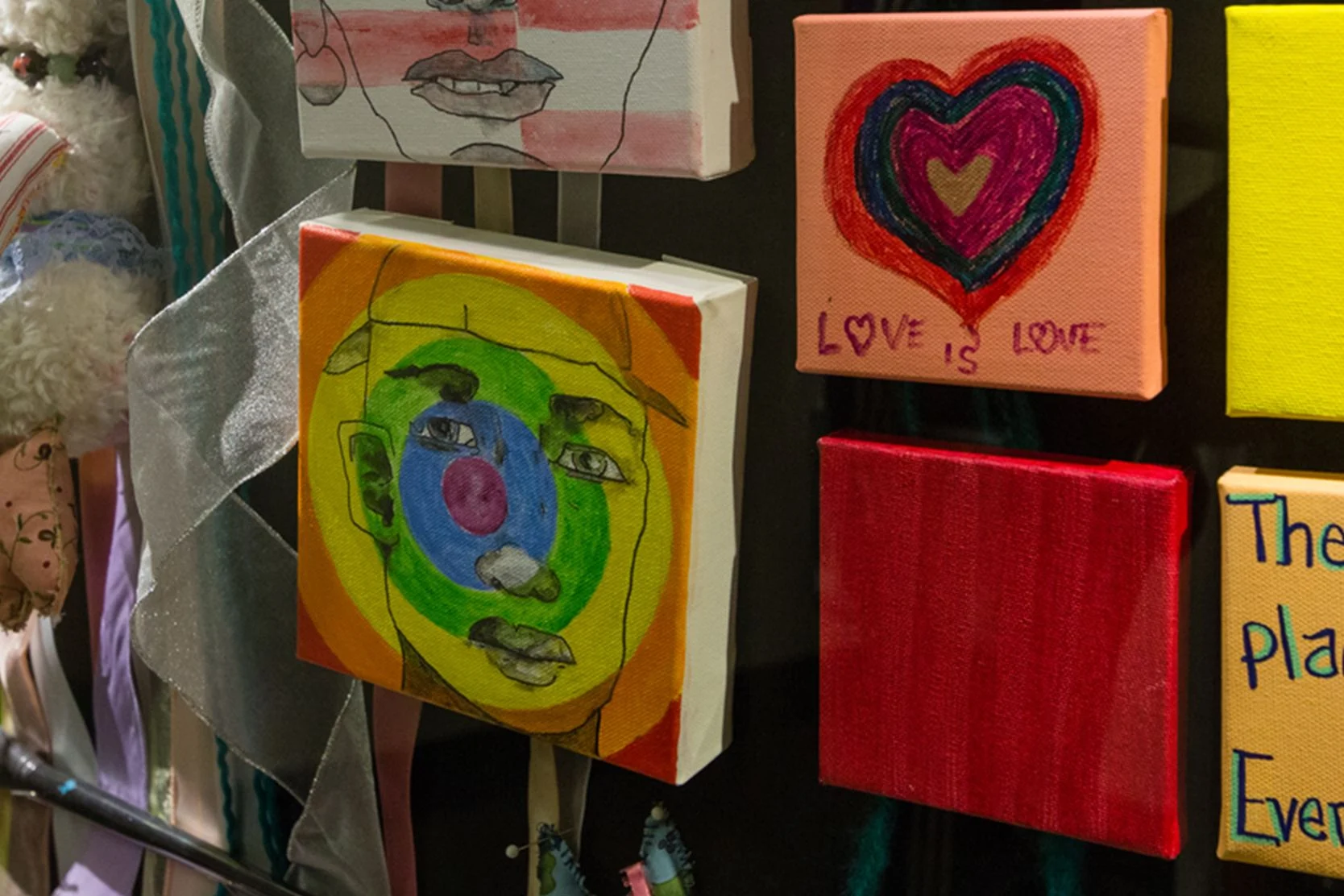
Art for Recovery
Creativity can help people with serious illnesses cope, heal and express what they're going through. Find out about our program and how to join.
Cancer Exercise Counseling
Our one-on-one exercise training sessions, customized for your needs and abilities, can complement other cancer treatments and speed your recovery.
Cancer Nutrition Counseling
UCSF Health offers free nutrition counseling to our patients with cancer, as well as nutrition seminars that are open to anyone. Learn more.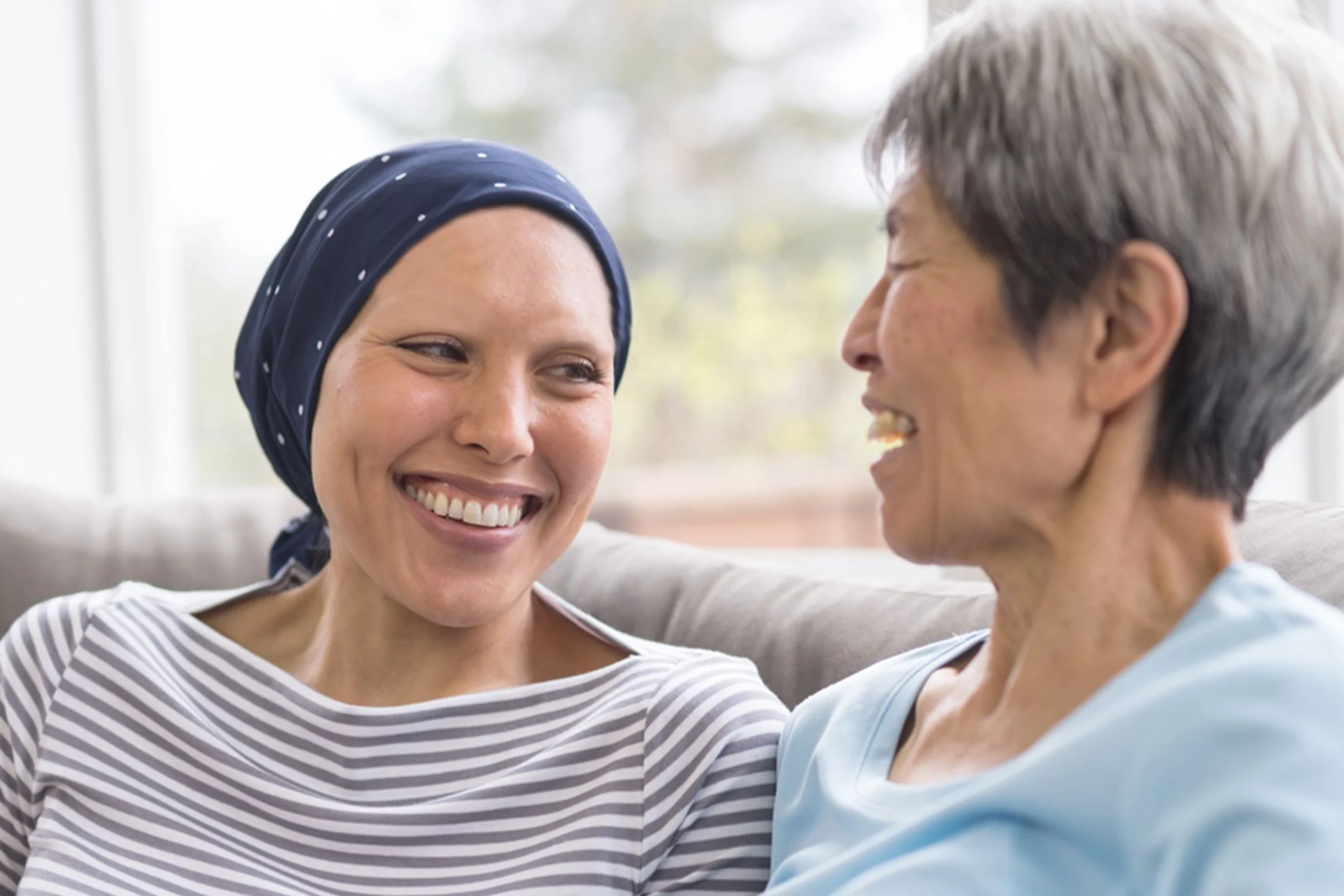
Cancer Support Groups
These groups offered by the Ida and Joseph Friend Patient and Family Cancer Support Center are free and available to all patients, whether or not you get your health care at UCSF.
Core and More Class for Cancer Patients
A strong body helps you fight cancer and enjoy life. Join this class to stabilize your core, strengthen your muscles and improve overall fitness. For cancer patients and caregivers!
Friend to Friend Specialty Shops
A one-stop boutique for patients with cancer. Get professional help with wigs, prostheses, sun-protective clothing, makeup, skin care and more.
Meditation and Guided Imagery for Cancer Patients
Drop in for a free class designed to help you heal, relax and find balance during your treatment. UCSF and non-UCSF patients are welcome.
Oncology Social Work
Social workers offer support, problem-solving, help accessing UCSF cancer-related resources and more. Find out how to contact the social worker for your clinic.
Patient & Family Cancer Support Center
The center offers wellness programming, community, support groups, classes, workshops and more at no cost to people facing cancer and their loved ones.
Peer Support Programs for Cancer
PeerTalk connects interested cancer patients with cancer survivors who can share their own experience to provide emotional and practical support.