


Liver Tumors & Cancer
On this page
Get care
Why choose UCSF Health for liver tumor care?
People from across the region come to UCSF Health to receive innovative treatments for noncancerous (benign) and cancerous (malignant) liver tumors. Our hepatologists (liver specialists) excel in caring for individuals with complex liver conditions who need advanced care.
Patients benefit from the expertise and recommendations of specialists on our liver tumor board. This tumor board includes experts in pathology, surgery, chemotherapy and liver transplantation. We meet regularly to discuss imaging and test results so we can create a care plan tailored to our patients’ needs.
Your treatment plan may include a combination of therapies for liver tumors, including advanced procedures and regional therapies.
We have your long-term health and best interests in mind. If you need surgery, our team often performs minimally invasive procedures, reducing the risk of complications and shortening recovery time. This approach can help you begin chemotherapy sooner.
Why choose UCSF Health for liver tumor care?
People from across the region come to UCSF Health to receive innovative treatments for noncancerous (benign) and cancerous (malignant) liver tumors. Our hepatologists (liver specialists) excel in caring for individuals with complex liver conditions who need advanced care.
Patients benefit from the expertise and recommendations of specialists on our liver tumor board. This tumor board includes experts in pathology, surgery, chemotherapy and liver transplantation. We meet regularly to discuss imaging and test results so we can create a care plan tailored to our patients’ needs.
Your treatment plan may include a combination of therapies for liver tumors, including advanced procedures and regional therapies.
We have your long-term health and best interests in mind. If you need surgery, our team often performs minimally invasive procedures, reducing the risk of complications and shortening recovery time. This approach can help you begin chemotherapy sooner.
Get care
Personalized treatment plan
Our team considers your goals, activity level and health history to tailor a care plan that fits your unique needs and lifestyle.Nonsurgical treatments
We offer effective, nonsurgical therapies to treat cartilage damage, avoiding surgery when possible.Comprehensive approach
Cartilage damage can develop over time or from an injury. We address underlying knee issues that may have led to damage to help restore function and reduce pain.Recovery-focused care
From regular follow-up visits to physical therapy, we support your healing and help you meet your recovery goals after knee cartilage surgery.
Liver tumor care at UCSF Health
We provide highly specialized care for a range of liver tumors, including bile duct cancer and benign and malignant liver tumors.
Our pathologists exclusively examine liver biopsies. This high level of specialization enables us to make precise diagnoses. After we confirm a diagnosis, our oncologists, surgeons, interventional radiologists and gastrointestinal cancer specialists create a personalized treatment plan to support the best possible outcomes.
Your treatment plan may include a combination of nonsurgical and surgical treatments:
Active surveillance
Benign liver tumors don’t usually cause symptoms and are often found coincidentally on an imaging test. If you are not experiencing symptoms and your liver is functioning normally, you may not need treatment.
We may recommend monitoring the liver tumor over time with imaging tests.
Noninvasive and minimally invasive procedures
Our experts offer innovative procedures, including some that aren’t widely available, including:
Histotripsy
Our skilled interventional radiologists and surgical oncologists use high-frequency, focused ultrasound waves to destroy liver tumor cells.
You may be a candidate for histotripsy if you have liver tumors that are visible on an ultrasound. You and your provider decide if this treatment is right for you.
You receive general anesthesia, so your body stays still. However, since we don’t need to make an incision, recovery is typically quick.
Embolization and ablation for liver cancer
Our interventional radiologists offer several treatments for tumors that can’t be removed with surgery, particularly for primary liver cancer or liver metastases (cancer from another area that has spread to your liver).
Chemoembolization and radioembolization involve injecting chemotherapy medication or radioactive substances into your hepatic artery, which connects to your liver. These procedures also block the artery to deprive tumors of blood, so they stop growing or shrink.
UCSF Health is among a select group of institutions offering microwave ablation for inoperable liver cancer. This treatment uses a heated probe to destroy tumors.
Surgery for liver tumors
Surgery is the most common treatment for liver cancer. Our skilled surgeons tailor the procedure to your needs using leading techniques to help your liver recover.Hepatic artery infusion (HAI) pump for metastatic liver cancer
HAI pumps can treat cancer that has spread (metastasized) to the liver from another organ. We may also use it to treat liver tumors that can’t be easily removed with surgery. UCSF Health is one of the most experienced HAI programs on the West Coast.
During this procedure, your surgeon implants a pump under your skin and inserts a tube into your hepatic artery, a blood vessel that connects to your liver. The tube delivers chemotherapy medication directly to your liver.
Our team manages the pump and refills it with medication every few weeks. HAI pumps may:
- Slow liver tumor growth
- Improve survival
- Delay or prevent recurrence (cancer coming back)
- Shrink tumors so they can be removed surgically
Hepatectomy for benign and malignant liver tumors
Hepatectomy, or liver resection, removes the section of the liver containing the tumor. The remaining liver tissue can grow back (regenerate) and function normally.
There are several surgical approaches your surgeon may use for the hepatectomy, including traditional (open), robotic or laparoscopic. Your surgeon will discuss which is best for you.
We may use a hepatectomy to treat:
- Certain types of liver cancer
- Benign liver tumors that grow large enough to cause symptoms
- Liver metastases (cancer that has spread to the liver from other areas of the body)
Minimally invasive hepatectomy
To treat early-stage liver cancer, we use minimally invasive techniques that allow for smaller incisions. These procedures typically reduce your risk for complications, minimize scarring and shorten your recovery time.
Compared with open surgery, robot-assisted surgeries and laparoscopic surgeries allow you to start chemotherapy sooner. Typically, you can start chemotherapy three to four weeks after minimally invasive liver tumor surgery.
Follow-up liver care after liver tumor surgery
Depending on your health history and the complexity of your surgery, you may spend time recovering in our critical care unit. There, our team of critical care medicine specialists provides the advanced care you need to heal.
Medical and radiation oncology
We may pair surgery with several other therapies. This comprehensive approach helps us treat advanced liver cancer and tumors that may be difficult to remove with surgery.
Your oncologists may recommend:
- Radiation therapy. Targeted X-rays or other high-energy rays destroy cancer cells.
- Chemotherapy. Powerful medications treat cancer cells inside the liver and those that may have spread to other organs.
- Immunotherapy. This treatment enhances your immune system’s ability to fight cancer.
- Liver transplant. We remove the diseased section of the liver and replace it with part of a healthy donor liver.
- Clinical trials. Participants in clinical trials try new, innovative drugs and treatment combinations to prevent or slow the growth of cancer cells.
Providers

Nancy L. Ascher, MD, PhD
Transplant Surgery • Transplant Surgery (Kidney)
Nicholas Fidelman, MD
Interventional Radiology
Christopher E. Freise, MD
Transplant Surgery (Pancreas) • Transplant Surgery
Sang-Mo Kang, MD
Transplant Surgery (Kidney) • Transplant Surgery (Liver)
Award-winning excellence
Best in Northern California and No. 8 in the nation for gastroenterology & GI surgery
Designated comprehensive cancer center
Among the top hospitals in the nation
Related conditions & treatments
Conditions
Treatments
Accreditations & memberships
National Cancer Institute
The National Cancer Institute has designated UCSF Health a comprehensive cancer center, its highest ranking. This designation is awarded to centers that demonstrate scientific excellence and the ability to conduct cancer research across many disciplines.
Commission on Cancer
UCSF Health's cancer programs have been accredited by the American College of Surgeons' Commission on Cancer (CoC) since 1933. The CoC is a consortium of groups dedicated to improving cancer patients' survival and quality of life via research, education and better medical care.
National Comprehensive Cancer Network
UCSF is a member of the National Comprehensive Cancer Network, an alliance of the world's top cancer centers. The network brings together leaders in treatment and research to improve the quality, effectiveness and efficiency of cancer care.
Research initiatives
UCSF Helen Diller Family Comprehensive Cancer Center ResearchOpens in a new window
UCSF is home to a range of research initiatives aimed at improving outcomes for cancer patients everywhere. This includes research on topics such as immunotherapy, BRCA mutations and molecular diagnostic testing.
Clinical trials
National Liver Cancer Screening TrialOpens in a new window
Recruiting
Proportion of HCC detected at a late stage, defined as HCC beyond Milan Criteria (one tumor less than or equal to 5 cm or 2-3 tumors each less than or equal to...
Explore what we do
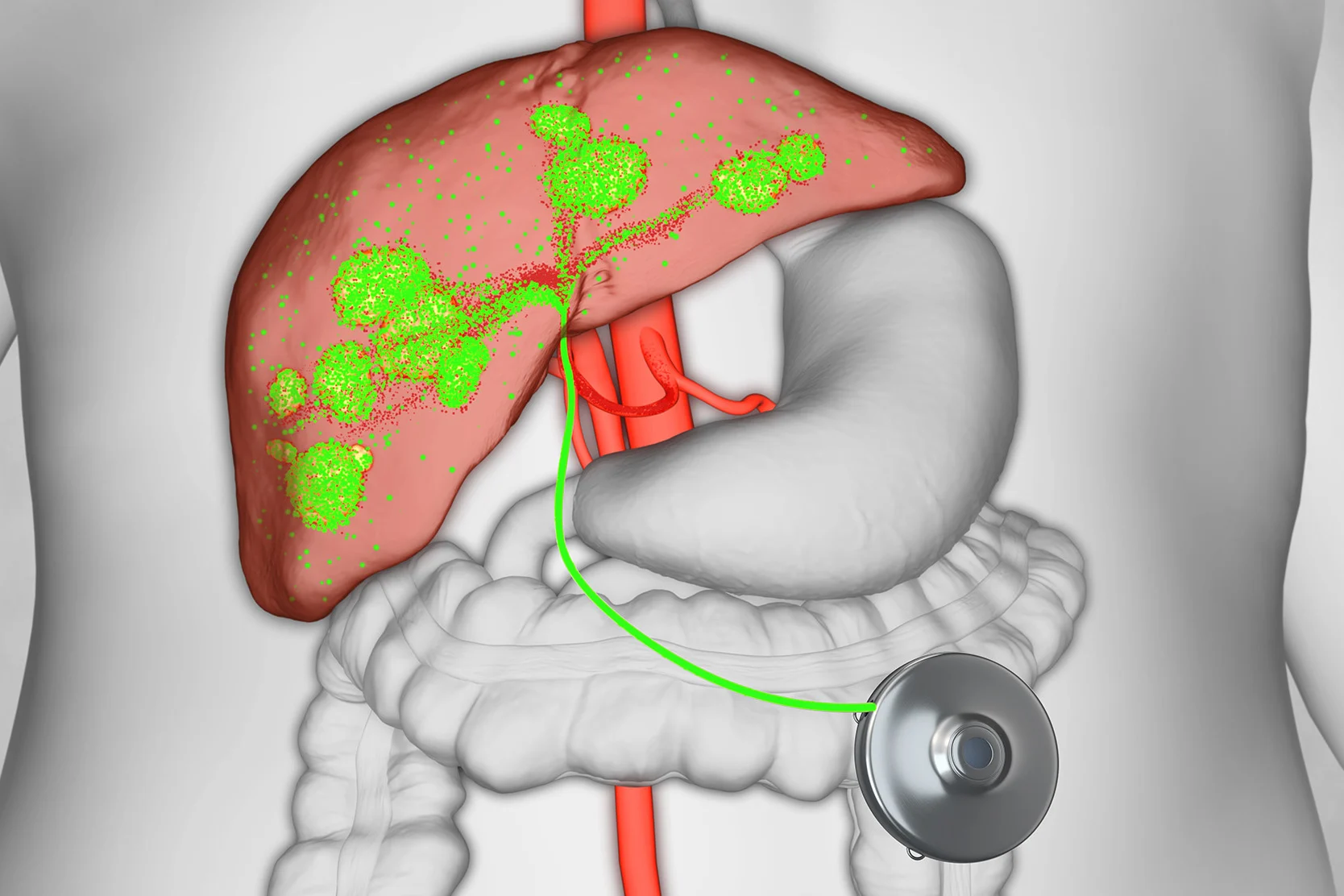
This small pump helps treat cancer in the liver
UCSF Health is the only hospital in the Bay Area offering this targeted approach to people with inoperable colon cancer that has spread to the liver
Patient guide
Support services

Art for Recovery
Creativity can help people with serious illnesses cope, heal and express what they're going through. Find out about our program and how to join.
Cancer Exercise Counseling
Our one-on-one exercise training sessions, customized for your needs and abilities, can complement other cancer treatments and speed your recovery.
Cancer Nutrition Counseling
UCSF Health offers free nutrition counseling to our patients with cancer, as well as nutrition seminars that are open to anyone. Learn more.
Cancer Support Groups
These groups offered by the Ida and Joseph Friend Patient and Family Cancer Support Center are free and available to all patients, whether or not you get your health care at UCSF.
Core & More Class for Cancer Patients
A strong body helps you fight cancer and enjoy life. Join this class to stabilize your core, strengthen your muscles and improve overall fitness. For cancer patients and caregivers!
Friend to Friend Specialty Shops
A one-stop boutique for patients with cancer. Get professional help with wigs, prostheses, sun-protective clothing, makeup, skin care and more.
Meditation & Guided Imagery for Cancer Patients
Drop in for a free class designed to help you heal, relax and find balance during your treatment. UCSF and non-UCSF patients are welcome.
Oncology Social Work
Social workers offer support, problem-solving, help accessing UCSF cancer-related resources and more. Find out how to contact the social worker for your clinic.
Patient & Family Cancer Support Center
The center offers wellness programming, community, support groups, classes, workshops and more at no cost to people facing cancer and their loved ones.
Peer Support Programs for Cancer
Patients are matched with peer support volunteers according to criteria such as diagnosis, cancer stage, age or gender. Speak to someone who's "been there."