


Gastrointestinal Cancer
On this page
Why choose UCSF Health for gastrointestinal cancer treatment?
Gastrointestinal (GI) cancer can affect any part of the digestive system, including the esophagus, stomach, liver, pancreas, colon, rectum and small intestine. Each type of cancer requires specialized care, making it important to choose a team with in-depth knowledge of the type of cancer you have.
At UCSF Health, we have one of the largest gastrointestinal oncology programs in the country, offering expertise in the full range of GI cancers. You receive seamlessly coordinated care from a team that may include GI medical and radiation oncologists, surgeons, interventional and nuclear radiologists and other providers. All the experts you need are in one place, committed to putting your needs first.
Additionally, we offer specialty programs in:
Why choose UCSF Health for gastrointestinal cancer treatment?
Gastrointestinal (GI) cancer can affect any part of the digestive system, including the esophagus, stomach, liver, pancreas, colon, rectum and small intestine. Each type of cancer requires specialized care, making it important to choose a team with in-depth knowledge of the type of cancer you have.
At UCSF Health, we have one of the largest gastrointestinal oncology programs in the country, offering expertise in the full range of GI cancers. You receive seamlessly coordinated care from a team that may include GI medical and radiation oncologists, surgeons, interventional and nuclear radiologists and other providers. All the experts you need are in one place, committed to putting your needs first.
Additionally, we offer specialty programs in:
Minimally invasive treatments
We offer the latest laparoscopic and robotic surgeries for GI cancers. Less invasive procedures help you recover faster and with less pain.Watch-and-wait approach
When appropriate, we recommend watchful waiting, which can help you avoid or postpone surgery until necessary.Collaborative care
GI oncologists, specialized nurses, dietitians, palliative care physicians and other experts work together to manage every aspect of your care.Clinical trials
Our patients are often the first to benefit from new therapies available through clinical trials that can improve survival and quality of life for people with GI cancer.
Our approach to gastrointestinal cancer care
At UCSF Health, we're dedicated to delivering the most effective care possible while minimizing side effects and the long-term effects of treatment. Our collaborative team of cancer specialists works with you to plan the sequence of treatments that will be most effective for your needs.
Gastrointestinal cancer diagnosis and second opinions
We use the latest tools and techniques to promptly and accurately diagnose GI cancer. Advanced biomarker testing helps us determine which therapies are most likely to be effective for the type of cancer you have, allowing us to personalize your care.
Our team includes radiologists and pathologists with specialized training in digestive system diseases. People throughout the country turn to us for first and second opinions because of our diagnostic excellence and diverse treatment options.
Active surveillance
Watch and wait, also called active surveillance, may be appropriate for some people with prostate, rectal or other GI cancers who don't need surgery immediately. In these cases, we closely monitor you to see if the cancer changes or if you develop symptoms.
We intervene with treatment only when necessary. This approach helps you delay surgery and treatment side effects for as long as possible.
Medical oncology for gastrointestinal cancer
Our medical oncologists use different types of drug therapies to treat GI cancers, including:
Chemotherapy. These powerful drugs destroy cancer cells. Chemotherapy is a common treatment for many GI cancers. We offer advanced chemotherapy delivery methods that target certain areas of your body and allow us to use more powerful doses.
Immunotherapy. This treatment helps your body's immune system recognize and fight cancer cells. It can be especially effective for stomach and esophageal cancer. Immunotherapy may also be an option for people with colorectal cancer who have certain biomarkers.
Targeted therapy. The goal of targeted therapy is to disrupt the processes in cancer cells that allow them to grow and spread. It may be an option for some people with advanced GI cancers, such as stomach cancer. These drugs have fewer side effects than chemotherapy and may help people live longer and improve their quality of life.
Surgery for gastrointestinal cancer
UCSF Health is home to world-class GI cancer surgeons who are leaders in their fields. Our experts are known for their extensive surgical capabilities and high success rates. They can often treat advanced or complex cancers considered inoperable at other programs.
When appropriate, our surgeons use laparoscopic and robotic techniques, which involve smaller incisions than open surgeries. These minimally invasive procedures can reduce recovery time and the risk of certain complications.
Robotic Whipple surgeryWhipple surgery is a complex procedure for certain types of pancreatic cancer. Your surgeon removes part of your pancreas, intestine, bile ducts and gallbladder, reattaching what remains to your small intestine. UCSF Health was the first institution in the Bay Area to offer robotic Whipple surgery.
The robotic approach allows our surgeons to operate through tiny incisions with the aid of a camera and computerized controls. Our surgeons have extensive experience performing this complex procedure with excellent outcomes.
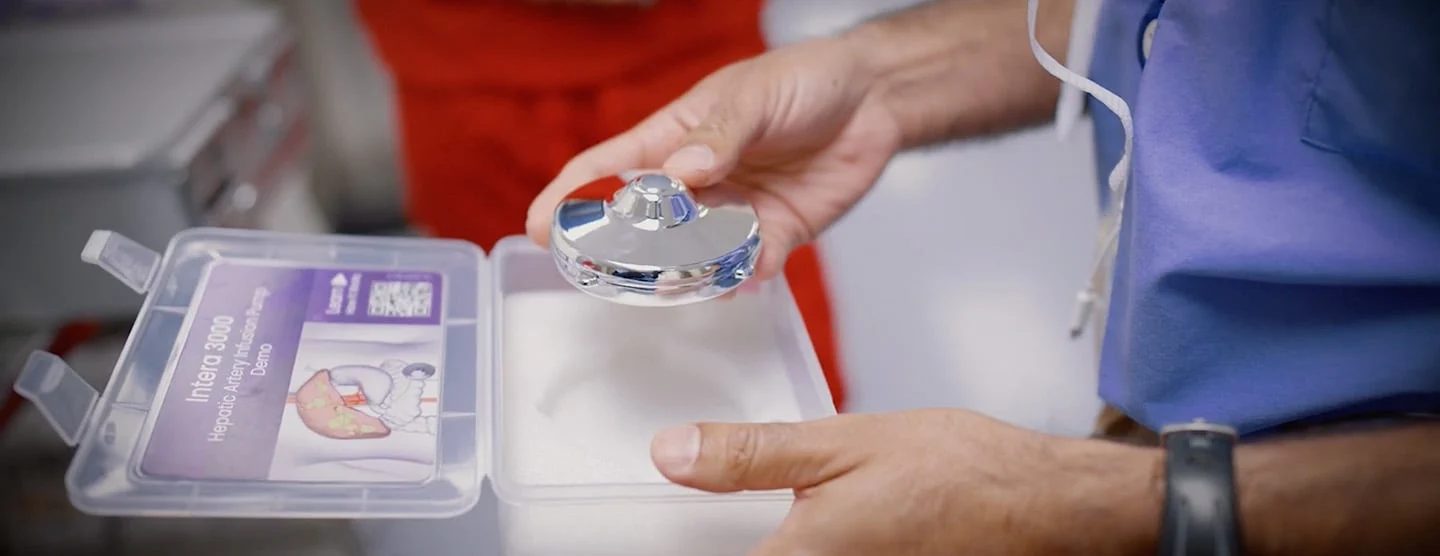
Regional GI cancer therapiesHepatic artery infusion (HAI) pump for metastatic liver cancer
HAI pumps can treat colorectal cancers and bile duct cancers that have spread (metastasized) extensively in the liver or are difficult to remove surgically. UCSF Health was the first medical program in Northern California to offer this innovative procedure and is one of the most experienced HAI programs on the West Coast.
During this procedure, your surgeon implants a pump under your skin and inserts a tube into your hepatic artery, a blood vessel that connects to your liver. The tube delivers chemotherapy medication directly to your liver.
Our team manages the pump and refills it with medication every few weeks. HAI pumps have the potential to:
Slow liver tumor growth
Improve survival
Delay or prevent recurrence (cancer coming back)
Shrink tumors so they can be removed surgically
We offer cytoreductive surgery and heated intraperitoneal chemotherapy (HIPEC) for difficult-to-treat cancers in the peritoneum (lining of your abdomen). Your surgeon removes visible tumors and then pumps heated chemotherapy into your abdominal cavity to destroy any remaining cancer cells. UCSF Health is one of the most experienced programs in the country offering HIPEC.
Embolization and ablation for gastrointestinal cancer
Our interventional radiologists offer several treatments for tumors that can't be removed with surgery, particularly for primary liver cancer or liver metastases (cancer from another area that has spread to your liver).
Chemoembolization and radioembolization involve injecting chemotherapy medication or radioactive substances into your hepatic artery, which connects to your liver. These procedures also block the artery to deprive tumors of blood, so they stop growing or shrink.
UCSF Health is among a select group of institutions offering microwave ablation for inoperable liver cancer. This treatment uses a heated probe to destroy tumors.
Radiation oncology for gastrointestinal cancerWe may use radiation therapy before or after surgery, or in combination with medication, to treat certain types of cancer. Radiation therapy can also be palliative, meaning we use it to shrink tumors and ease symptoms for people with advanced cancers.
UCSF Health offers the most sophisticated radiation technology available, including stereotactic body radiation delivered with the CyberKnife system. We may use this nonsurgical treatment for liver or pancreatic cancer to precisely target tumors and minimize damage to healthy tissue.
Locations
Providers

Wesley Kidder, MD, MPH
Medical Oncology (Gastrointestinal Cancer) • Medical Oncology (Neuroendocrine Tumors)
Katherine Van Loon, MD, MPH
Medical Oncology (Gastrointestinal Cancer)
Andrew H. Ko, MD
Medical Oncology (Gastrointestinal Cancer)
Carlos Corvera, MD
Surgical Oncology (Gastrointestinal Cancer) • Liver, Pancreas and Bile Duct Surgery
Excellence in patient care
Best in Northern California and No. 8 in the nation for gastroenterology & GI surgery

Rated high-performing hospital for colon cancer surgery

Among the top hospitals in the nation
Related conditions & treatments
Conditions
- Abdominal Cancer
- Ampullary Mass
- Anal Cancer
- Anal Dysplasia
- Appendiceal Cancer
- Benign Carcinoid Tumor of Rectum
- Benign Carcinoid Tumor of Small Bowel
- Bile Duct Mass
- Carcinoid of Stomach
Treatments
- Ablation for Supraventricular Tachycardia
- Active Surveillance of Prostate Cancer
- Immunotherapy
- Chemotherapy
- Stereotactic Ablative Radiotherapy
- Cytoreduction Surgery
- Intraperitoneal Hyperthermic Chemoperfusion
- Microwave Ablation of Tumors
- Robotic Whipple
Explore what we do

1 of 2
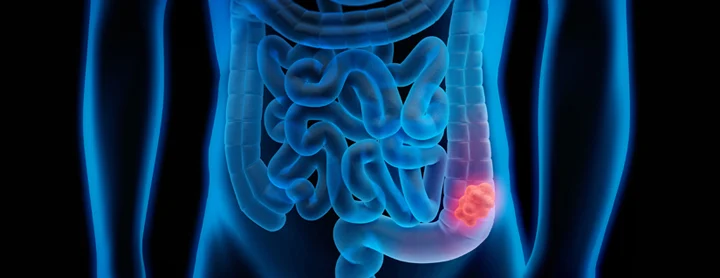
Early-Onset Colon Cancer
Targeting liver cancer with a small pump
Clinical trials
Phase 1/2 Dose Finding, Safety and PK Study in Advanced Refractory Solid TumorsOpens in a new window
Recruiting
• TEAEs will be graded according to National Cancer Institute Common Terminology Criteria for Adverse Events (NCI CTCAE) v.5.0.ACTengine® IMA203 Combined With mRNA-4203Opens in a new window
Recruiting
Number of DLTs will be used to determine the maximum tolerated dose (MTD) and/or recommended dose for extension (RDE) after treatment with IMA203 product in co...STC-15 as a Part of Combination Therapy With Toripalimab in Selected Advanced Cancers and as Monotherapy in Participants With Selected SarcomasOpens in a new window
Recruiting
Incidence of adverse events graded according to CTCAE v5.0A Study of CLSP-1025 in Adult Patients With Solid Tumors That Harbor the p53 R175H MutationOpens in a new window
Recruiting
Rate of dose-limiting toxicities (DLTs) after infusion of CLSP-1025
Support services

Art for Recovery
Creativity can help people with serious illnesses cope, heal and express what they're going through. Find out about our program and how to join.
Cancer Exercise Counseling
Our one-on-one exercise training sessions, customized for your needs and abilities, can complement other cancer treatments and speed your recovery.
Cancer Nutrition Counseling
UCSF Health offers free nutrition counseling to our patients with cancer, as well as nutrition seminars that are open to anyone. Learn more.
Cancer Support Groups
These groups offered by the Ida and Joseph Friend Patient and Family Cancer Resource Center are free and available to all patients, whether or not you get your health care at UCSF.
Core and More Class for Cancer Patients
A strong body helps you fight cancer and enjoy life. Join this class to stabilize your core, strengthen your muscles and improve overall fitness. For cancer patients and caregivers!
Friend to Friend Specialty Shops
A one-stop boutique for patients with cancer. Get professional help with wigs, prostheses, sun-protective clothing, makeup, skin care and more.
Meditation and Guided Imagery for Cancer Patients
Drop in for a free class designed to help you heal, relax and find balance during your treatment. UCSF and non-UCSF patients are welcome.
Oncology Social Work
Social workers offer support, problem-solving, help accessing UCSF cancer-related resources and more. Find out how to contact the social worker for your clinic.
Patient & Family Cancer Resource Center
The center offers wellness programming, community, support groups, classes, workshops and more at no cost to people facing cancer and their loved ones.
Peer Support Programs for Cancer
PeerTalk connects interested cancer patients with cancer survivors who can share their own experience to provide emotional and practical support.