

Melanoma & Skin Cancer
On this page
Why choose UCSF Health for melanoma treatment?
At UCSF Health, we provide diagnosis, treatment and clinical trials for all stages of melanoma, from early-stage growths to cancer that has metastasized (spread). We also care for people with other types of skin cancer in advanced stages, including squamous cell, basal cell and Merkel cell carcinomas.
While melanoma isn't the most common type of skin cancer, it's the most serious. Getting an early and accurate diagnosis gives you the best chance of a successful outcome.
Our skin cancer experts specialize in treating all types of melanoma, including rare subtypes. We offer the latest therapies and surgical procedures, as well as unwavering support throughout your journey.
Why choose UCSF Health for melanoma treatment?
At UCSF Health, we provide diagnosis, treatment and clinical trials for all stages of melanoma, from early-stage growths to cancer that has metastasized (spread). We also care for people with other types of skin cancer in advanced stages, including squamous cell, basal cell and Merkel cell carcinomas.
While melanoma isn't the most common type of skin cancer, it's the most serious. Getting an early and accurate diagnosis gives you the best chance of a successful outcome.
Our skin cancer experts specialize in treating all types of melanoma, including rare subtypes. We offer the latest therapies and surgical procedures, as well as unwavering support throughout your journey.
Extensive experience
We see more than 400 patients each year, making us one of the most experienced melanoma programs in the Bay Area.Collaborative approach
Our skin cancer experts, including medical oncologists, melanoma surgeons and dermatologists, work together to deliver complete care.Advanced treatments
We bring the most promising new therapies to our patients, including the first FDA-approved immunotherapy treatment for advanced melanoma.Whole-person care and support
You can access many resources, including integrative medicine services, nutrition counseling, symptom management services and psychological support.
Our approach to melanoma and skin cancer care
At UCSF Health, our melanoma and skin cancer experts meet regularly at tumor boards to review complex cases, make tailored treatment recommendations and plan follow-up care. You benefit from the coordinated input of a multispecialty team.
Advanced diagnostic testing for melanoma
We use the latest diagnostic tools to detect melanoma as early as possible, when treatment is more effective. Our specialized dermatopathologists focus solely on evaluating skin biopsies. This depth of expertise means they can more accurately diagnose and stage melanomas.
We use advanced molecular profiling to test melanoma cells for certain genetic changes (mutations), such as BRAF, NRAS and KIT. This information helps us offer targeted treatment for the type of cancer you have.
As a major research center for skin cancer, we also have extensive experience evaluating and treating uncommon melanomas not routinely seen at other centers, including:
-
Acral lentiginous melanoma
-
Mucosal melanoma
-
Ocular or uveal melanoma
Melanoma surgery
Surgery is often the main treatment for melanoma that has not spread beyond the skin. Our dermatologic surgeons have expertise in all types of skin cancer surgery, including Mohs micrographic surgery and wide excision surgery.
Mohs surgery is a minimally invasive procedure that removes skin, layer by layer, until no cancer cells remain. It removes as little healthy tissue as possible, making it ideal for sensitive or highly visible areas, such as the face and hands. Because it's so precise, Mohs is often used for removing larger tumors.
We can also use wide excision surgery for melanoma. This means removing a tumor, along with a margin of healthy tissue around it. Wide excision may be appropriate for small or uncomplicated tumors in less visible areas.
In some cases, we may recommend surgery for melanoma that has spread to the lymph nodes, lungs, brain or other areas of your body. Surgery for metastatic melanoma is often combined with other treatments, such as immunotherapy or chemotherapy. Learn more about dermatologic surgery at UCSF Health.
Immunotherapy for skin cancer
At UCSF Health, our medical oncologists use the latest immunotherapies to treat advanced melanoma and other skin cancers. Immunotherapies are drugs that harness your immune system to fight cancer. You may receive immunotherapy as your only treatment or in addition to surgery.
Immunotherapy before surgery, called neoadjuvant therapy, can help shrink tumors so they're easier to remove. Immunotherapy after surgery, called adjuvant therapy, can help prevent cancer from coming back (recurrence).
TIL therapy for advanced skin cancer
At UCSF Health, we offer tumor-infiltrating lymphocyte (TIL) therapy for advanced melanoma that hasn't responded to other standard treatments. We're one of the few hospitals in the region offering this groundbreaking cellular immunotherapy.
TIL therapy involves close collaboration between our surgical and medical oncologists. After surgically removing a melanoma tumor, we remove cancer-fighting immune cells called lymphocytes from the tumor and multiply them in a lab.
Patients often have chemotherapy after this to prepare their immune system before we infuse lymphocytes back into their body. Infusing more lymphocytes into a patient's body helps their immune system fight cancer.
Other treatments for melanoma
We may recommend additional treatments, such as chemotherapy or radiation therapy, in combination with surgery or immunotherapy. Radiation therapy can be used to treat cancer or reduce the risk of recurrence. It can also help shrink tumors and relieve symptoms of metastatic melanoma, such as pain, headaches and fatigue.
At UCSF Health, we offer the latest advances in radiation therapy. This includes proton beam radiation therapy for ocular melanoma and stereotactic radiosurgery for metastatic brain tumors. Learn more about radiation oncology at UCSF Health.
Locations
Providers

Michael D. Alvarado, MD
Breast Surgery • Surgical Oncology (Melanoma and Skin Cancer)
Afsaneh Amouzegar, MD
Hematology and Medical Oncology
Adil I. Daud, MBBS
Medical Oncology (Melanoma and Skin Cancer)
Jonathan R. George, MD, MPH
Otolaryngology - Head and Neck Surgery (Head and Neck Cancer)
Explore what we do
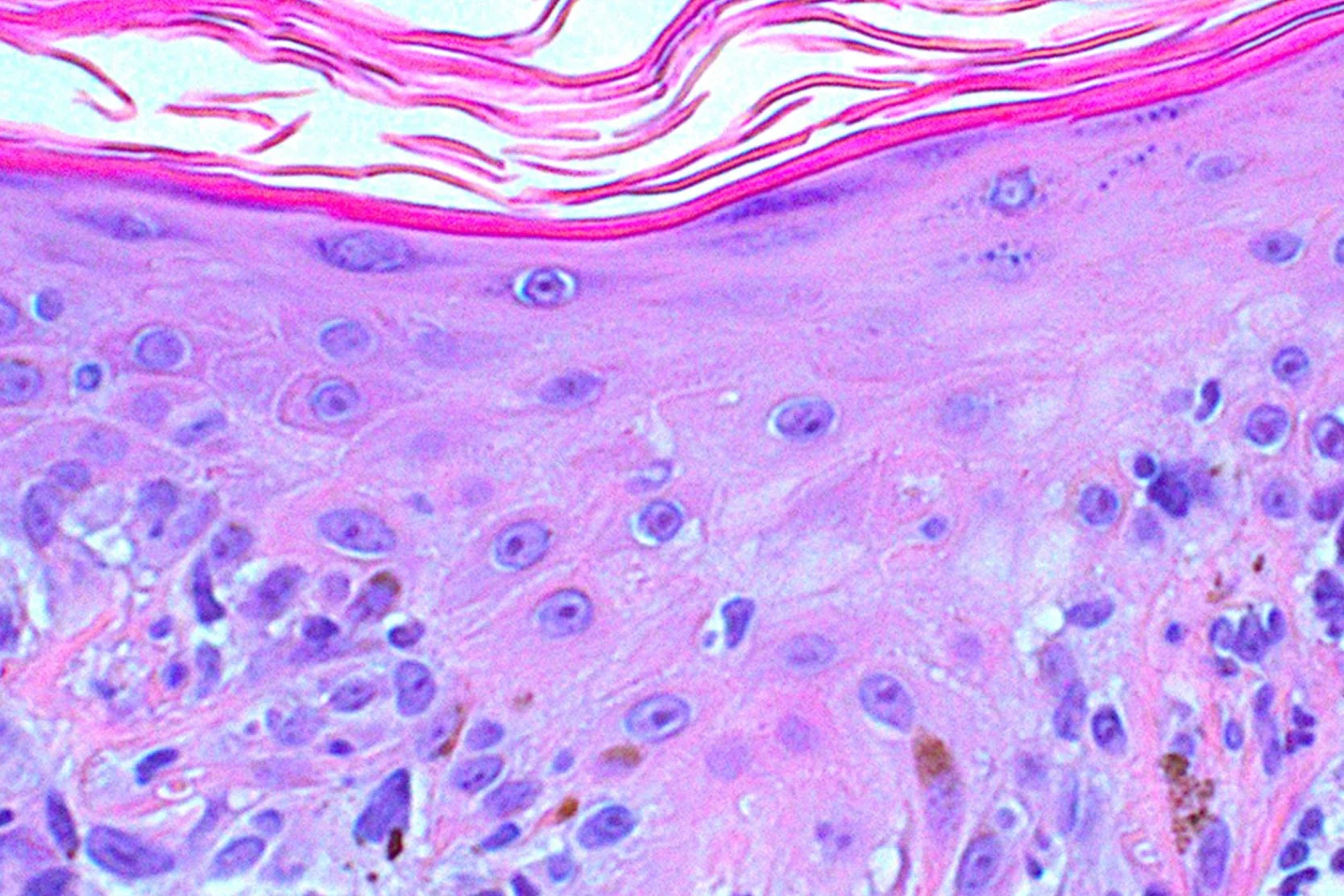
FAQ: Melanoma
Get answers to frequently asked questions about melanoma causes, prevention and treatment.
Dermatology - Visible Tumor Conference
Our monthly Visible Tumor Conference evaluates complex or unusual skin tumors. Most people are referred by their doctors, but self-referrals are also accepted.
Awards & achievements
400+
new melanoma patients seen each year
Among the top hospitals in the nation
Related conditions & treatments
Conditions
- Acral Lentiginous Melanoma
- Basal Cell Carcinoma
- Melanoma
- Merkel Cell Carcinoma
- Mucosal Melanoma
- Skin Cancer
- Ocular Melanoma
Treatments
- Mohs Surgery
- Proton Therapy
- Stereotactic Radiosurgery
Accreditations & memberships
National Cancer Institute
The National Cancer Institute has designated UCSF Health a comprehensive cancer center, its highest ranking. This designation is awarded to centers that demonstrate scientific excellence and the ability to conduct cancer research across many disciplines.
Commission on Cancer
UCSF Health's cancer programs have been accredited by the American College of Surgeons' Commission on Cancer (CoC) since 1933. The CoC is a consortium of groups dedicated to improving cancer patients' survival and quality of life via research, education and better medical care.
National Comprehensive Cancer Network
UCSF is a member of the National Comprehensive Cancer Network, an alliance of the world's top cancer centers. The network brings together leaders in treatment and research to improve the quality, effectiveness and efficiency of cancer care.
Research initiatives
UCSF Helen Diller Family Comprehensive Cancer Center ResearchOpens in a new window
UCSF is home to a range of research initiatives aimed at improving outcomes for cancer patients everywhere. This includes research on topics such as immunotherapy, BRCA mutations and molecular diagnostic testing.
Clinical trials
Placebo-Controlled Trial of IFx-Hu2.0 Followed By Pembrolizumab In Checkpoint Inhibitor Naïve Participants With Advanced Or Metastatic Merkel Cell CarcinomaOpens in a new window
Recruiting
ORR defined as the proportion of participants who achieve a complete response (CR) or partial response (PR) at 12 weeks and confirmed on a second response asse...Neoadjuvant Nivolumab + Relatlimab (Opdualag) Versus Nivolumab for Resectable High-Risk Basal Cell CarcinomaOpens in a new window
Recruiting
The primary endpoint of this study is to evaluate the pathologic response rate (pathological complete response [pCR] plus major pathological response [MPR])) a...Evaluating BL-M14D1 in Subjects With Locally Advanced or Metastatic Small Cell Lung Cancer and Neuroendocrine TumorsOpens in a new window
Recruiting
SAEs, AESIs, TEAEs, death, TEAEs leading to discontinuation, DLTs, physical examination findings (including ECOG PS), vital sign measurements, standard clinica...SUPRAME-ACTengine® IMA203 vs. Investigator's Choice of Treatment in Previously Treated, Unresectable or Metastatic Cutaneous MelanomaOpens in a new window
Recruiting
progression-free survival (PFS), centrally assessed (by blinded independent central review) using RECIST 1.1
Support services
Art for Recovery
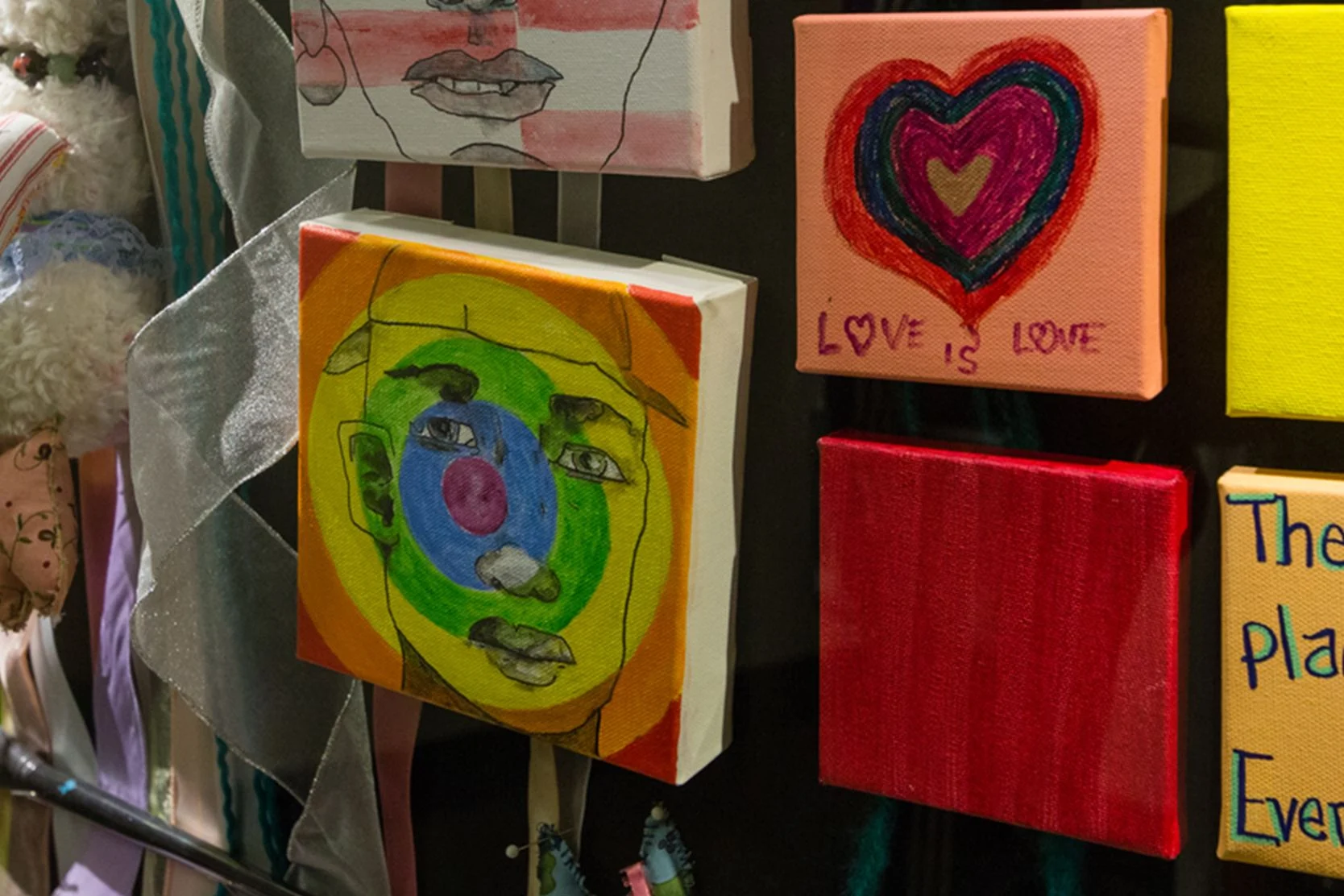
Creativity can help people with serious illnesses cope, heal and express what they're going through. Find out about our program and how to join.
Cancer Exercise Counseling
Our one-on-one exercise training sessions, customized for your needs and abilities, can complement other cancer treatments and speed your recovery.
Cancer Nutrition Counseling
UCSF Health offers free nutrition counseling to our patients with cancer, as well as nutrition seminars that are open to anyone. Learn more.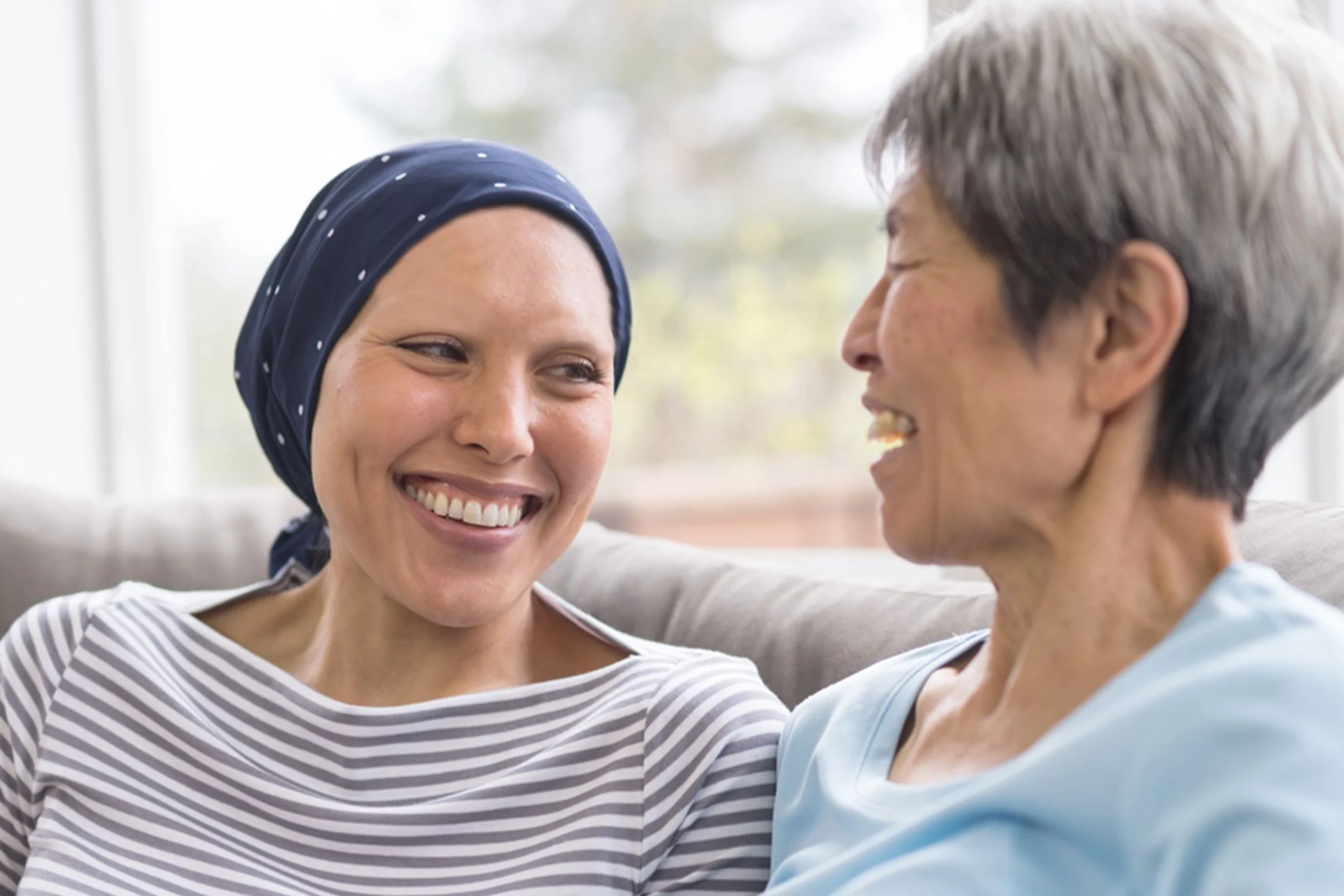
Cancer Support Groups
These groups offered by the Ida and Joseph Friend Patient and Family Cancer ResourceCenter are free and available to all patients, whether or not you get your health care at UCSF.
Core & More Class for Cancer Patients
A strong body helps you fight cancer and enjoy life. Join this class to stabilize your core, strengthen your muscles and improve overall fitness. For cancer patients and caregivers!
Friend to Friend Specialty Shops
A one-stop boutique for patients with cancer. Get professional help with wigs, prostheses, sun-protective clothing, makeup, skin care and more.
Meditation & Guided Imagery for Cancer Patients
Drop in for a free class designed to help you heal, relax and find balance during your treatment. UCSF and non-UCSF patients are welcome.
Oncology Social Work
Social workers offer support, problem-solving, help accessing UCSF cancer-related resources and more. Find out how to contact the social worker for your clinic.
Patient & Family Cancer Resource Center
The center offers wellness programming, community, support groups, classes, workshops and more at no cost to people facing cancer and their loved ones.
Peer Support Programs for Cancer
Patients are matched with peer support volunteers according to criteria such as diagnosis, cancer stage, age or gender. Speak to someone who's "been there."