

Thoracic Surgery & Oncology
On this page
Why choose UCSF Health for thoracic and lung cancer surgery?
At UCSF Health, our thoracic surgeons treat all types and stages of diseases affecting the chest, including lung cancer, esophageal cancer and disorders of the trachea and chest wall. We are home to one of the most experienced thoracic surgery programs on the West Coast. Our surgeons perform a high number of procedures each year, giving us a depth of expertise that translates to fewer complications and better outcomes for our patients.Why choose UCSF Health for thoracic and lung cancer surgery?
At UCSF Health, our thoracic surgeons treat all types and stages of diseases affecting the chest, including lung cancer, esophageal cancer and disorders of the trachea and chest wall. We are home to one of the most experienced thoracic surgery programs on the West Coast. Our surgeons perform a high number of procedures each year, giving us a depth of expertise that translates to fewer complications and better outcomes for our patients.Leaders in minimally invasive surgery
Our surgeons were pioneers in performing video-assisted thoracoscopic surgery (VATS) and robotic-assisted lung surgery.Recognized expertise
UCSF Health consistently receives the highest program ratings for lung cancer surgery by U.S. News & World Report.Excellent success rates
Our postoperative success rates for non-small cell lung cancer (the most common lung cancer) are among the highest in the country.Team approach
Thoracic surgeons, medical and radiation oncologists, pulmonologists and other experts collaborate to deliver comprehensive care.
Our areas of expertise in thoracic surgery and oncology
UCSF Health is a regional, national and international referral center for people with lung cancer and other thoracic diseases. Patients and physicians worldwide trust us to evaluate and care for the most challenging cases. Thanks to our wide range of treatments and clinical trials, we can offer patients more options to live longer, fuller lives.
Robot-assisted thoracic surgery
Our surgeons have been innovators in minimally invasive surgery for decades. Currently, we use robotic-assisted minimally invasive techniques to treat benign (noncancerous) and malignant (cancerous) tumors in the lungs and chest.
During robotic thoracic surgery, our surgeons control robotic arms that have better range of motion and more precision than human arms. This technology allows us to operate through tiny incisions with exceptional accuracy. We can now treat conditions that would previously have required major open surgery — or were considered inoperable — with a minimally invasive procedure.
Robotic lung cancer surgery offers many benefits to patients, including:
Less blood loss
Less pain after surgery
Shorter hospital stay
Lower risk of complications
Minimally invasive esophagectomy
UCSF Health is among a few specialty centers on the West Coast to offer minimally invasive esophagectomy (surgery to remove all or part of the esophagus). We may use this approach to treat Barrett's esophagus (a precancerous condition) or esophageal cancer.
Expertise in complex cases
Our specialists are known for their ability to treat complex, high-risk cases, including people who have been turned down for surgery at other institutions. Thoracic surgeons work with neurosurgeons, vascular surgeons and other experts to treat thoracic tumors that are large or near critical structures, such as the heart or spine.
Enhanced recovery after surgery (ERAS)
UCSF Health was among the first in the country to establish ERAS guidelines for people undergoing lung or esophageal surgery. We use evidence-based methods before, during and after your procedure to keep you safe and help you feel better faster.
As part of ERAS protocols, we:
Provide education and counseling before surgery
Use minimally invasive techniques, when appropriate
Tailor pain control to each patient's needs
Help patients move again as soon as possible after surgery
More effective treatment, fewer side effects
Our medical oncologists provide leading-edge therapies, including targeted therapy and immunotherapy, that are generally more effective and have fewer side effects than chemotherapy or radiation therapy.
Targeted therapy attacks cancer without damaging healthy cells. Immunotherapy harnesses your immune system to fight cancer. We do advanced molecular testing on all tumors to determine which treatments are most likely to be effective for you. We can also offer these therapies to patients with advanced cancers to help ease symptoms and improve quality of life (palliative care).
Locations
Providers
Gregory Allen, MD, PhD
Medical Oncology (Lung Cancer)
Collin Blakely, MD, PhD
Medical Oncology (Lung Cancer)
Michael L. Cheng, MD
Medical Oncology (Lung Cancer)
Melissa H. Coleman, MD
Surgical Oncology (Lung and Esophageal Cancer)
Excellence in patient care
Among the top hospitals in the nation
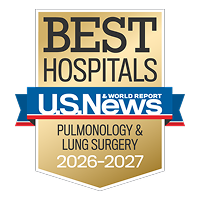
No. 1 in the nation for pulmonology & lung surgery

Rated high-performing hospital for lung cancer surgery
Related conditions & treatments
Conditions
- Lung Cancer
- Esophageal Cancer
- Tracheal Diseases
- Chest Wall Tumor
Treatments
- Chest Tumor Excision
- Esophagectomy
- Tracheal Reconstruction
- Chest Wall Resection
- Thoracotomy
Clinical trials
Testing Lutetium Lu 177 Dotatate in Patients With Somatostatin Receptor Positive Advanced Bronc...Opens in a new window
Will be compared between patients with a bronchial neuroendocrine tumor receiving lutetium Lu 177 dotatate to those receiving everolimus. The distribution of PFS will be estimated using the Kaplan Meier method. Will be tested usin...Study of RYZ101 in Combination With SoC in Subjects With SSTR+ ES-SCLCOpens in a new window
RP2D as determined by incidence rate of DLTs
Accreditations & memberships
National Cancer Institute
The National Cancer Institute has designated UCSF Health a comprehensive cancer center, its highest ranking. This designation is awarded to centers that demonstrate scientific excellence and the ability to conduct cancer research across many disciplines.
Commission on Cancer
UCSF Health's cancer programs have been accredited by the American College of Surgeons' Commission on Cancer (CoC) since 1933. The CoC is a consortium of groups dedicated to improving cancer patients' survival and quality of life via research, education and better medical care.
National Comprehensive Cancer Network
UCSF is a member of the National Comprehensive Cancer Network, an alliance of the world's top cancer centers. The network brings together leaders in treatment and research to improve the quality, effectiveness and efficiency of cancer care.
Research initiatives
UCSF Helen Diller Family Comprehensive Cancer Center ResearchOpens in a new window
UCSF is home to a range of research initiatives aimed at improving outcomes for cancer patients everywhere. This includes research on topics such as immunotherapy, BRCA mutations and molecular diagnostic testing.
Support services

Art for Recovery
Creativity can help people with serious illnesses cope, heal and express what they're going through. Find out about our program and how to join.
Cancer Exercise Counseling
Our one-on-one exercise training sessions, customized for your needs and abilities, can complement other cancer treatments and speed your recovery.
Cancer Nutrition Counseling
UCSF Health offers free nutrition counseling to our patients with cancer, as well as nutrition seminars that are open to anyone. Learn more.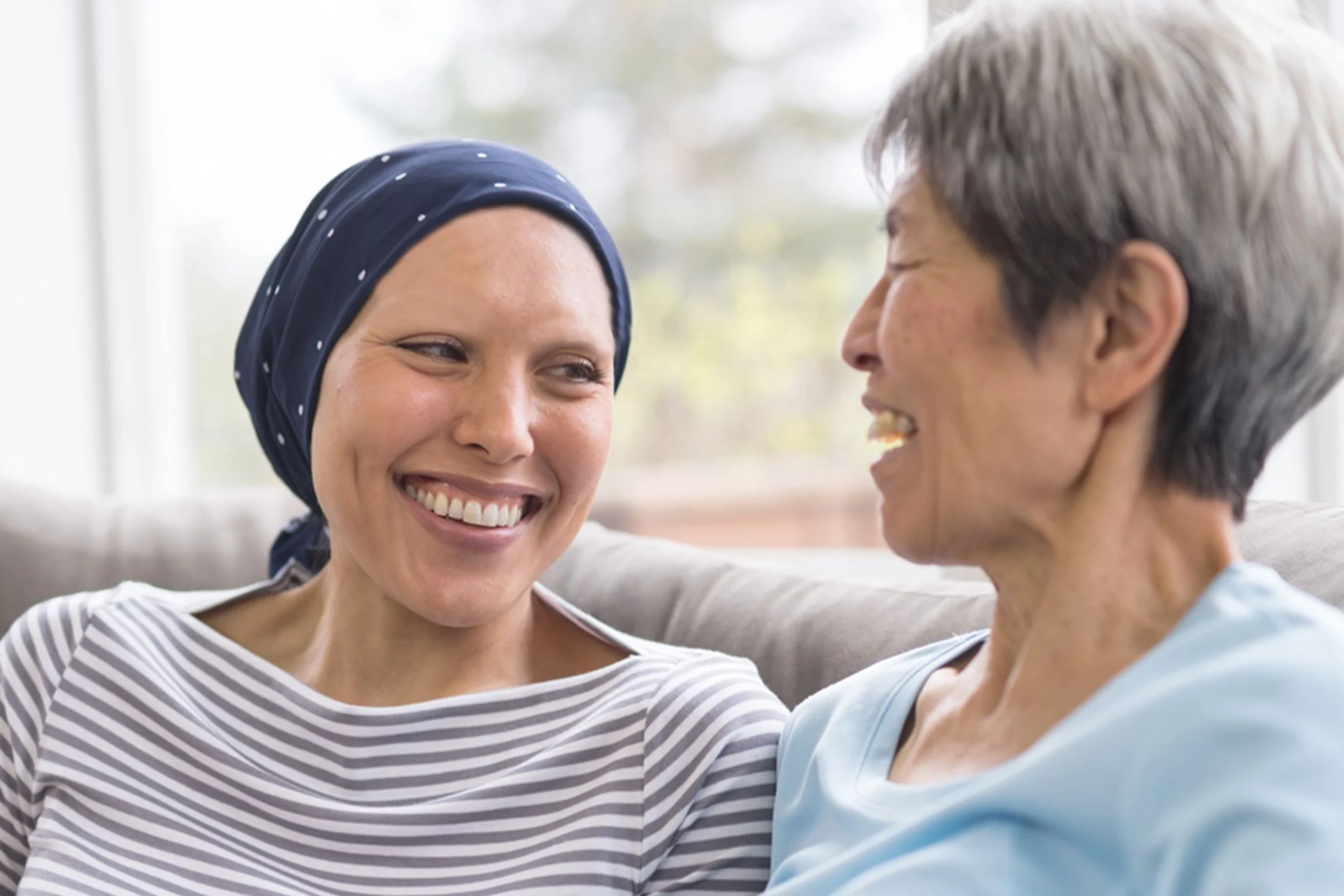
Cancer Support Groups
These groups offered by the Ida and Joseph Friend Patient and Family Cancer ResourceCenter are free and available to all patients, whether or not you get your health care at UCSF.
Core & More Class for Cancer Patients
A strong body helps you fight cancer and enjoy life. Join this class to stabilize your core, strengthen your muscles and improve overall fitness. For cancer patients and caregivers!
Friend to Friend Specialty Shops
A one-stop boutique for patients with cancer. Get professional help with wigs, prostheses, sun-protective clothing, makeup, skin care and more.
Meditation & Guided Imagery for Cancer Patients
Drop in for a free class designed to help you heal, relax and find balance during your treatment. UCSF and non-UCSF patients are welcome.
Oncology Social Work
Social workers offer support, problem-solving, help accessing UCSF cancer-related resources and more. Find out how to contact the social worker for your clinic.
Patient & Family Cancer Resource Center
The center offers wellness programming, community, support groups, classes, workshops and more at no cost to people facing cancer and their loved ones.
Peer Support Programs for Cancer
Patients are matched with peer support volunteers according to criteria such as diagnosis, cancer stage, age or gender. Speak to someone who's "been there."