

Advanced Heart Failure
On this page
Why choose UCSF Health for advanced heart failure?
At UCSF Health, our advanced heart failure specialists provide personalized treatments for people with complex heart conditions. We treat heart failure using the latest pharmacological advances and novel devices, including percutaneous heart pumps, ventricular assist devices and minimally invasive surgeries.
You also have access to our heart transplant program, one of the largest in the nation. Survival rates for patients in our program are well above national averages.
Our specialized team collaborates to create a customized heart failure treatment plan that meets your needs. You receive world-class care in a compassionate, supportive environment.
Why choose UCSF Health for advanced heart failure?
At UCSF Health, our advanced heart failure specialists provide personalized treatments for people with complex heart conditions. We treat heart failure using the latest pharmacological advances and novel devices, including percutaneous heart pumps, ventricular assist devices and minimally invasive surgeries.
You also have access to our heart transplant program, one of the largest in the nation. Survival rates for patients in our program are well above national averages.
Our specialized team collaborates to create a customized heart failure treatment plan that meets your needs. You receive world-class care in a compassionate, supportive environment.
Nationally ranked
U.S. News & World Report ranks us as "high-performing" (the highest category) for heart failure care.Safer surgeries
We use the latest technology and minimally invasive techniques to shorten recovery time and reduce risks.Access to clinical trials
Eligible patients can participate in trials for new heart failure treatments we're developing.
Our specialized heart failure care
At UCSF, we combine our expertise with state-of-the-art technology to diagnose and treat advanced heart failure. Our specialists collaborate to provide the latest medications, devices and procedures. Your support team is available to answer questions and help you navigate your care.
We provide:
-
Advanced devices. We specialize in temporary and durable ventricular assist devices. The UCSF Mechanical Circulatory Support (MCS) Program provides devices that improve your quality of life.
-
Expert arrhythmia care. Specialists in the UCSF Cardiac Electrophysiology and Arrhythmia Service diagnose and treat all types of heart rhythm disorders. Treatments include cardioverter defibrillators, cardiac resynchronization therapy, cardiac contractility modulation and baroreceptor stimulation.
-
Leading-edge procedures. UCSF Cardiac Surgery Program offers minimally invasive surgery options, like bilateral thoracotomy implants of ventricular assist devices. These procedures typically involve shorter recovery times than open-heart surgery.
-
Heart transplant expertise. Heart transplants offer hope when other treatments have not been successful. Get seamless, advanced care from our heart transplant experts.
-
Remote monitoring. We use the latest technology to track your heart health and fine-tune treatments.
-
Empowerment through education. We provide support and resources for people living with heart failure and their caregivers.
Providers

Claudio Bravo Carrillo, MD
Cardiology • Cardiology (Heart Failure and Transplant)
Leila Beach, MD
Cardiology • Cardiology (Heart Failure and Transplant)
Teresa De Marco, MD
Cardiology (Heart Failure and Transplant) • Cardiology
Pooja Prasad, MD
Cardiology • Cardiology (Heart Failure and Transplant)
Nationally recognized heart failure care
300-350
Advanced heart failure patients treated each year
700
Heart transplants performed since 1989
One of the nation's best for heart & vascular care

Rated high-performing hospital for heart failure care

Rated high-performing hospital for heart bypass surgery
Among the top hospitals in the nation
Related conditions & treatments
Conditions
- Advanced Heart Failure
- Heart Failure
- Congestive Heart Failure
- Left Ventricular Failure
- Right Heart Failure
Treatments
- Ventricular Assist Device Implantation
- Heart Transplant
- Mechanical Circulatory Support
- Minimally Invasive Cardiac Surgery
Clinical trials
PROACTIVE-HF-2 Trial Heart Failure NYHA Class II and IIIOpens in a new window
A composite endpoint of first HF event or death from CVD up to 24 months.US National OCS Heart Perfusion (OHP) RegistryOpens in a new window
Recipients' patient and graft survival rates will be the primary clinical outcomes measures for all OCS Heart transplanted recipients compared to recipients receiving heart transplants using non-OCS preservation methods (cold stat...Trial to Evaluate Safety And Effectiveness of Mechanical Circulatory Support in Patients With Advancing Heart FailureOpens in a new window
The powered primary endpoint will be analyzed at 2 years following the Com-Nougue method and will be compared between the HM3 Group (HM3 LVAD) and the Control Group (GDMT) within the Randomized population. Primary Endpoint defini...The EMPOWER Trial - The Carillon Mitral Contour System® in Treating Heart Failure With at Least...Opens in a new window
Freedom from a composite of major adverse events (defined as Device Embolization, Vessel Erosion, Cardiac Perforation, and occurrence of cardiac surgery or percutaneous coronary intervention) in the Intervention group is greater t...Clinical Evaluation of the AccuCinch® Ventricular Restoration System in Patients Who Present With Symptomatic Heart Failure With Reduced Ejection Fraction (HFrEF): The CORCINCH-HF StudyOpens in a new window
MAE defined as: 1. All-cause death, 2. Myocardial infarction, 3. Stroke, 4. Need for non-elective cardiovascular surgery, 5. Worsening of heart-failure requiring mechanical circulatory support for more than 24...Levothyroxine Supplementation for Heart Transplant RecipientsOpens in a new window
Measured using the vasoactive-inotropic score (VIS) scale. VIS calculation: dopamine dose (μg/kg/min) + dobutamine dose (μg/kg/min) + 100 × epinephrine dose (μg/kg/min) + 10 × milrinone dose (μg/kg/min) + 10 000 × vasopressin dos...Reducing Right Ventricular Failure in Pulmonary Arterial Hypertension (RELIEVE-PAH)Opens in a new window
Percentage of Treatment group patients experiencing any device-related Major Adverse Cardiovascular or Neurological Events (MACNE) during the first 90-days after implantation.Diuretics Alone vs. Aortix Endovascular Device for Acute Heart FailureOpens in a new window
Incidence of Major Adverse Events.Metformin for Pulmonary Hypertension HFpEFOpens in a new window
The main objective of this study is to determine the clinical efficacy of metformin versus placebo and the therapeutic response with regards to functional capacity and hemodynamics in PH-HFpEF.DORAYA-HF Early Feasibility StudyOpens in a new window
Device or procedure related SAEs rate (including MACE) based on CEC adjudication.
Research initiatives
UCSF Division of Cardiology ResearchOpens in a new window
Researchers at the UCSF Division of Cardiology investigate all aspects of heart disorders, from how disease develops to who is most at risk, with an emphasis on translating key findings into more effective care.
Recognized leader in heart transplants
Support services
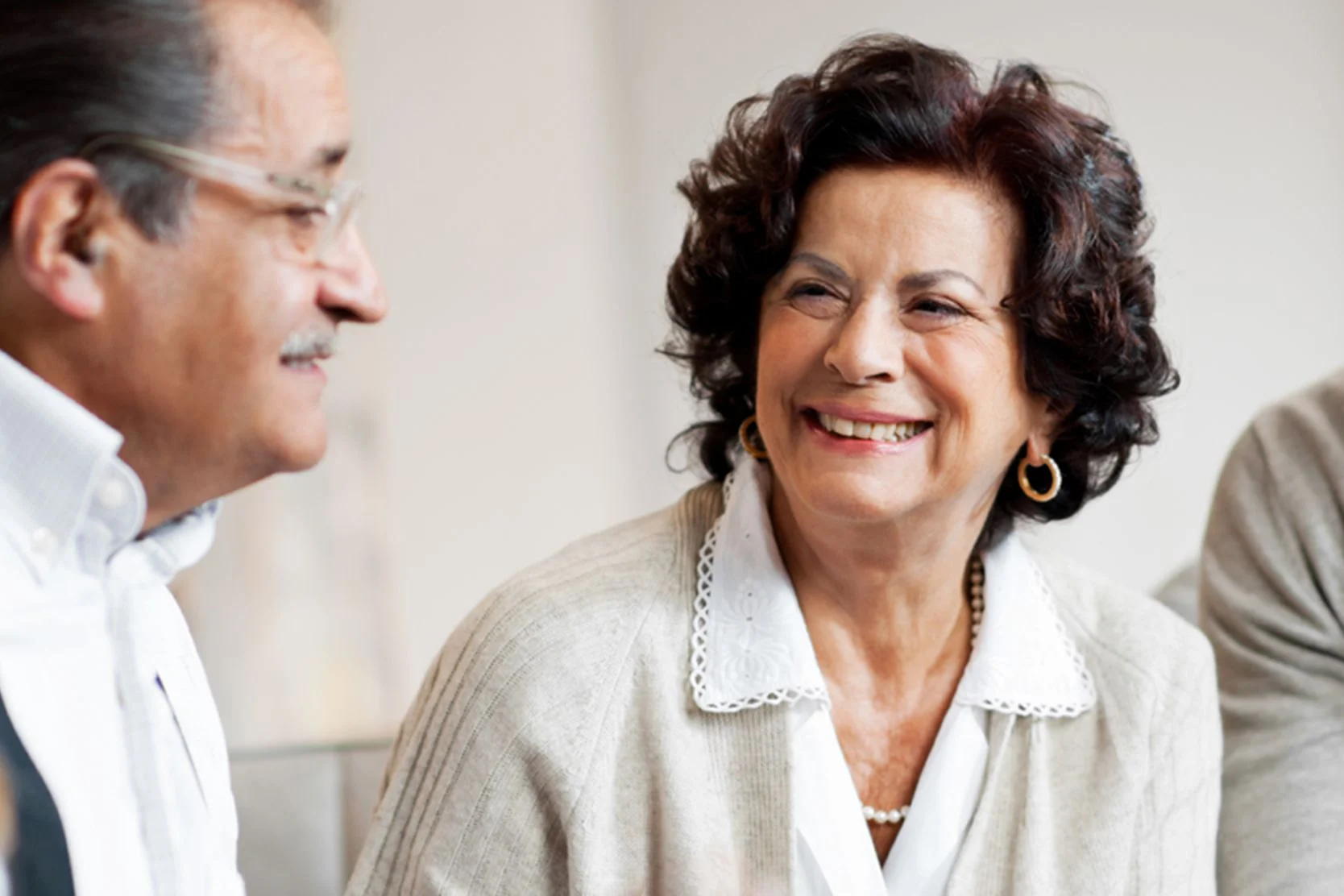
Case Management and Social Work
Connect with a team that can help you find resources, solve problems and advocate for you during treatment at UCSF.
Mindfulness-Based Stress Reduction Class
This eight-week class teaches mindfulness practices that can reduce stress and improve your overall health, such as meditation and body awareness.
Patient Relations
We welcome feedback about your experience at UCSF Health. Find out how to contact us with comments, questions or concerns.
Spiritual Care at UCSF
Chaplains representing many faiths are available around the clock to provide support, comfort and counsel to patients, families and caregivers.